How to adapt old family recipes for seasonal garden bounty & pantry items?

There’s a special comfort in cooking an old family recipe, a culinary bridge connecting generations. But what happens when the original ingredients aren’t readily available, or your garden is overflowing with a seasonal bounty begging to be used? Adapting these treasured recipes to incorporate fresh, seasonal produce and smart pantry staples isn’t just possible; it’s a delightful way to keep traditions alive while embracing sustainability and creativity in the kitchen.
Why Adapt Your Ancestral Dishes?
The culinary landscape has evolved. Our ancestors often cooked with what was locally available and in season, a practice we can re-embrace. Modern adaptations allow us to:
- Reduce food waste by utilizing garden gluts.
- Enhance nutritional value with fresh, vibrant ingredients.
- Experience new flavor dimensions within familiar frameworks.
- Make recipes more accessible by using readily available pantry items.
- Keep traditions relevant and exciting for future generations.
Deciphering Your Family Recipes: The Core Elements
Before you start swapping, understand the heart of the recipe. What are its non-negotiable elements? Is it the specific herb blend in a stew, the texture of a baked good, or the foundational flavors of a sauce? Identify:
- Main Ingredients: What are the primary proteins, vegetables, or starches?
- Flavor Profile: Is it savory, sweet, sour, umami? What spices and seasonings define it?
- Cooking Method: Is it slow-cooked, roasted, fried, baked? This often dictates texture and final consistency.
Once you understand these, you can make informed substitutions without losing the dish’s essence.
Integrating Garden Bounty: Seasonal Swaps
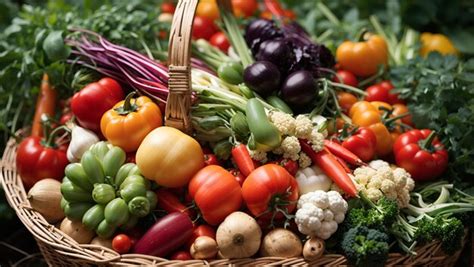
Your garden, or local farmer’s market, is a treasure trove of inspiration. Here’s how to introduce its gifts into your old favorites:
Vegetable Substitutions
Many recipes are forgiving when it comes to vegetables. If a stew calls for potatoes, but you have an abundance of sweet potatoes or parsnips, make the swap! Zucchini can replace cucumber in some salads, kale can stand in for spinach, and bell peppers can brighten up almost any savory dish. Consider the texture and moisture content when making swaps.

Herb & Aromatic Enhancements
Fresh herbs from the garden can elevate any dish. If a recipe uses dried herbs, try fresh ones at a ratio of 3:1 (fresh to dried) and add them closer to the end of cooking to preserve their vibrant flavor. A handful of fresh basil in a tomato sauce, cilantro in a chili, or rosemary with roasted meats can transform a dish.
Leveraging Pantry Power: Staples for Adaptability
Your pantry is a strategic asset for filling gaps and adding new dimensions. These non-perishable heroes ensure you can cook delicious meals year-round.
- Grains & Legumes: Replace part of a meat component with lentils or beans for a heartier, more economical dish. Brown rice or quinoa can substitute for white rice, adding texture and nutrition.
- Canned Goods: Canned tomatoes, beans, broths, and even preserved fruits can mimic seasonal ingredients when fresh isn’t an option, or add quick flavor boosts.
- Spices & Condiments: Don’t underestimate the power of your spice rack. A pinch of smoked paprika, a dash of soy sauce, or a spoonful of apple cider vinegar can subtly shift a dish’s flavor profile to accommodate new ingredients.

Tips for Successful Adaptation
- Start Small: Don’t overhaul an entire recipe at once. Make one or two substitutions and taste as you go.
- Understand Flavor Profiles: Pair like with like. If a recipe is savory and earthy, lean towards vegetables and herbs with similar profiles.
- Adjust Cooking Times & Liquid: Fresh vegetables often release more moisture than frozen or canned ones, and cooking times may vary. Be prepared to adjust liquid amounts and cooking duration.
- Texture Matters: Consider how a substitution might change the texture. If you’re swapping a firm vegetable for a soft one, think about when to add it to maintain its integrity.
- Taste & Adjust: This is perhaps the most crucial tip. Always taste your adaptations throughout the cooking process and adjust seasonings as needed.

Embrace the Evolution
Adapting old family recipes for seasonal garden bounty and pantry items isn’t about disrespecting tradition; it’s about honoring it by keeping it alive, relevant, and delicious for the modern kitchen. Each successful adaptation adds a new chapter to your family’s culinary story, a testament to resourcefulness and creativity. So, raid your garden, survey your pantry, and transform those cherished recipes into something new and wonderfully your own.