




How to adapt old family recipes to use my garden’s seasonal bounty efficiently?

Embracing the bounty of your home garden is a rewarding experience, offering unparalleled freshness and flavor. However, the challenge often lies in efficiently incorporating this seasonal produce into your cooking, especially when it comes to time-honored family recipes. These beloved dishes, often passed down through generations, might call for ingredients not currently in season or in quantities that don’t match your harvest. The good news is that with a little creativity and strategic planning, you can adapt these culinary heirlooms to feature your garden’s seasonal best, reducing waste and infusing new life into familiar flavors.
Understanding Your Garden’s Rhythm
The first step to efficient adaptation is intimately knowing your garden’s cycle. What grows abundantly in spring, summer, fall, and even winter? Keeping a garden journal can help track planting times, harvest yields, and peak seasons for each vegetable and herb. This knowledge empowers you to anticipate what produce you’ll have in surplus, allowing you to plan recipe adaptations proactively rather than reactively.
Consider the typical lifespan of your produce. Some items, like tender greens, need to be used quickly, while others, like root vegetables or squashes, can store for longer. This understanding will dictate which recipes are best suited for immediate use and which can wait or be preserved.

Deconstructing Family Recipes for Adaptation
Before you start swapping ingredients, take a moment to deconstruct your family recipes. Identify the core components: what are the essential flavors? What provides the primary texture? Is there a key ingredient that defines the dish, or are there flexible elements? For example, in a classic pasta sauce, tomatoes are essential, but the herbs or additional vegetables might be easily interchangeable.
Think about the role each ingredient plays. Does it add sweetness, acidity, bitterness, or umami? Does it contribute moisture, bulk, or crunch? By understanding these functions, you can select garden produce that fulfills a similar role, ensuring the adapted dish retains its beloved character.
Smart Substitution Strategies
When it comes to substitutions, think about flavor profiles and textures. If a recipe calls for spinach, and you have an abundance of chard, it’s a relatively easy swap, keeping in mind chard’s slightly stronger flavor might require a minor adjustment in seasoning. Similarly, zucchini can often stand in for eggplant in many dishes, or vice-versa.
Don’t be afraid to experiment with quantities. If your garden is overflowing with bell peppers, you might increase the amount in a stir-fry or stew beyond what the original recipe suggests. For more delicate flavors, consider adding them towards the end of cooking to preserve their freshness and prevent them from getting lost.

Preservation Techniques for Year-Round Enjoyment
Efficiently using your garden’s bounty often means looking beyond immediate consumption. Mastering basic preservation techniques is crucial for extending the life of your seasonal produce and incorporating it into recipes long after the harvest peak. Freezing is excellent for many vegetables and fruits, allowing you to have pre-portioned ingredients ready for soups, stews, or baked goods.
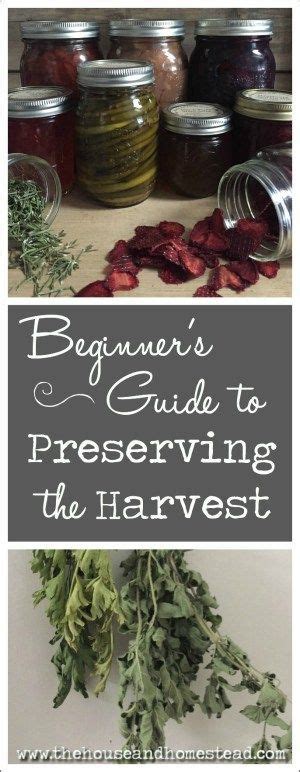
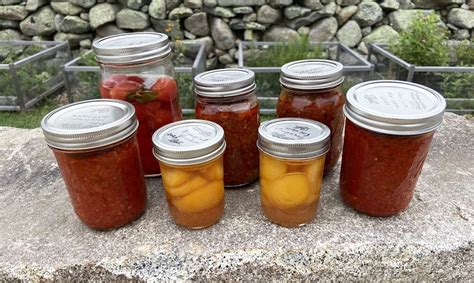
Canning, drying, and pickling are other fantastic ways to preserve flavors. Imagine making a batch of your grandmother’s tomato sauce with your own garden tomatoes and canning it for winter, or pickling excess cucumbers for a vibrant side dish. These methods not only prevent waste but also create pantry staples that simplify future cooking.
Batch Cooking and Meal Planning
Maximize your efforts by planning meals around your garden’s harvest. When you have a large yield of a particular vegetable, dedicate a day to batch cooking. Roast a big tray of mixed garden vegetables to use in salads, frittatas, or as a side throughout the week. Make a large pot of vegetable stock from scraps, or prepare a big batch of pesto from fresh basil.
Consider dedicating one or two days a week to processing your garden’s harvest. This might involve washing, chopping, and blanching vegetables for freezing, or preparing ingredients for a large cooking project. This structured approach helps prevent produce from going bad before it can be used.

Documenting Your Adaptations and New Traditions
As you experiment with adapting recipes, make sure to document your successful variations. Note down the substitutions you made, the quantities used, and any adjustments to cooking times or seasonings. This will not only help you recreate delicious dishes but also evolve your family’s culinary traditions to include your garden’s seasonal gifts.
These adapted recipes might even become new family favorites, creating a direct link between the food on your table and the effort in your garden. Sharing these stories and dishes with future generations will instill an appreciation for seasonal eating and sustainable living.

Adapting old family recipes to your garden’s seasonal bounty is a joyful journey of culinary creativity and sustainability. By understanding your harvest, making thoughtful substitutions, utilizing preservation techniques, and planning ahead, you can transform cherished dishes and ensure your garden’s hard-won produce never goes to waste. It’s about honoring tradition while embracing the freshest flavors your own backyard has to offer.