
How to adapt vague old family recipes for real food country cooking?
The Charm and Challenge of Ancestral Cooking
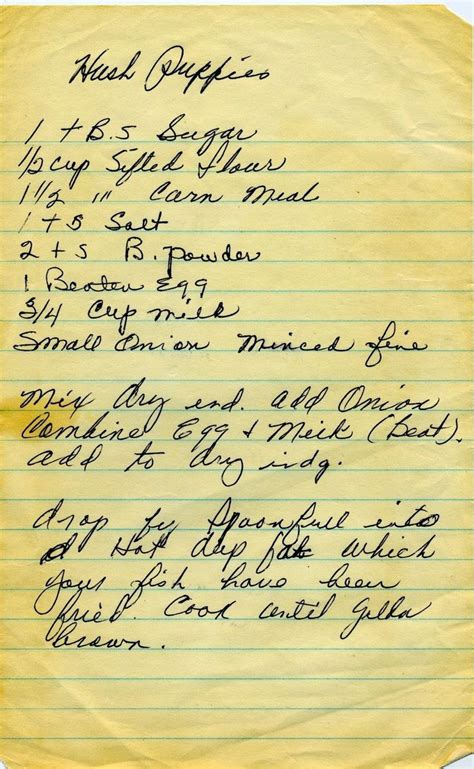
There’s a unique magic in an old family recipe – a whispered connection to generations past, a taste of home and heritage. But often, these culinary heirlooms come with frustratingly vague instructions: “a knob of butter,” “enough flour,” “cook till done,” or perhaps just a list of ingredients without any quantities. For those aiming to recreate these dishes using ‘real food’ principles and the hearty spirit of country cooking, adapting these culinary riddles is both an art and a science.
Real food country cooking emphasizes whole, unprocessed ingredients, seasonal produce, and traditional methods, much like our ancestors cooked. The challenge lies in translating their intuitive, experience-based instructions into modern, measurable steps without losing the dish’s soul.
Deciphering the Ambiguity: The Core Challenges
Vague family recipes are a treasure trove of culinary history, but they often present significant hurdles for the modern cook. The most common issues include a severe lack of precise measurements, relying instead on generational knowledge or visual cues. Terms like “a pinch,” “a good dollop,” or “until it feels right” leave much to interpretation.
Obscure ingredients also pose a problem. Our ancestors used what was available, which might have included specific types of lard, flours, or herbs that are less common today. Techniques, too, are often described vaguely: “moderate oven” meant something different on a wood-burning stove, and “cook until done” required an experienced eye and nose rather than a timer.
Finally, missing context – such as the type of stove, the size of a “tin,” or even the exact purpose of a dish – adds layers of complexity. Understanding these challenges is the first step toward successful adaptation.

Embracing ‘Real Food’ and Country Principles
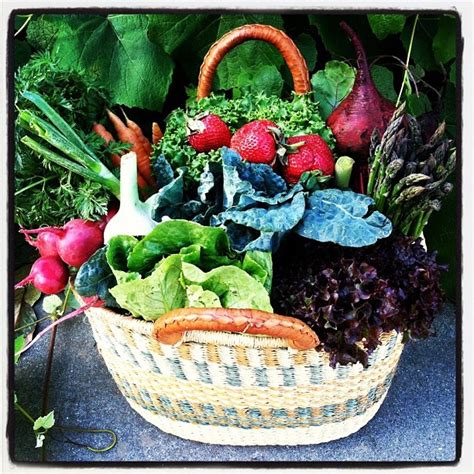
When adapting old family recipes, adopting a ‘real food’ and country cooking mindset is key. This means prioritizing whole, unprocessed ingredients, ideally local and seasonal. Think fresh vegetables from the garden, pasture-raised meats, traditional fats like butter or lard (often called for in older recipes), and minimally refined flours and sugars. The goal is to strip away modern shortcuts and processed items, bringing the dish back to its wholesome roots.
Country cooking also celebrates traditional techniques such as slow braising, careful stewing, and scratch baking. These methods often require patience but yield deeply flavorful results that honor the original intent of the recipe. It’s about cooking with an understanding of where your food comes from and how it was traditionally prepared.
Practical Steps for Adaptation
Start with Research and Conversation
Before you even step into the kitchen, talk to older family members. They might recall details about a “moderate oven” temperature or the texture of a finished dish. Look for similar historical recipes online or in old cookbooks to gain context on ingredient ratios and techniques common during that era.
Ingredient Translation and Estimation
This is where intuition meets trial and error. For vague quantities, start with educated guesses based on similar modern recipes. “Enough flour to make a dough” might mean starting with 2 cups and adding more gradually. For obscure ingredients, research modern equivalents; for instance, render your own lard if the recipe calls for it, or use specific heritage grains if appropriate. Don’t be afraid to estimate and adjust.
Technique Interpretation
“Moderate oven” typically translates to 325-375°F (160-190°C), with 350°F (175°C) being a good starting point. “Cook till done” means you’ll need to rely on sensory cues: golden-brown crusts, fork-tender meats, or a clean toothpick for cakes. Remember that old ovens were less precise; consistent temperature control is a modern luxury. Begin with shorter cooking times and extend as needed, observing carefully.
Trial and Error with Small Batches
Don’t try to perfect a large-batch recipe on your first attempt. Start small. If it’s a cookie recipe, make half a batch. If it’s a stew, scale it down. This minimizes waste and allows you to experiment with quantities and cooking times without a huge commitment. Pay close attention to texture, flavor, and aroma.
Sensory Evaluation
Taste, smell, and touch are your most important tools. Is the seasoning right? Does the texture feel authentic? Does it smell like you remember (or imagine) it should? Adjust incrementally: add a little more salt, a touch more sweetener, or cook for another few minutes. Your senses will guide you toward the perfect rendition.

Documenting Your Culinary Journey
As you adapt, document everything. Keep a dedicated notebook or digital file. Record your starting interpretations, the precise measurements you ultimately used, actual cooking times, and any observations about the process. Note what worked and what didn’t. This meticulous record-keeping is crucial for making the recipe repeatable and passing down your ‘translated’ version to future generations.
Your adaptations are not just about making the recipe work; they’re about preserving and evolving a piece of your family’s history, creating a living legacy that bridges the past with the present.
Essential Tools and Mindset
A few modern tools can significantly aid your adaptation process: a reliable kitchen scale for precise ingredient weights, accurate measuring cups and spoons, and an oven thermometer to verify your oven’s true temperature. A good meat thermometer is indispensable for dishes involving meat or poultry.
Beyond the tools, cultivate patience, curiosity, and a respectful attitude towards the original recipe. View it as an exciting archaeological dig into culinary history, rather than a frustrating puzzle. The joy comes not just from the eating, but from the process of discovery and creation.
Bringing History to Your Table
Adapting vague old family recipes for real food country cooking is a rewarding endeavor. It’s a way to honor your heritage, connect with the culinary wisdom of the past, and create delicious, wholesome dishes that nourish both body and soul. With a bit of detective work, careful experimentation, and a commitment to quality ingredients, you can transform those enigmatic notes into cherished family traditions, enjoyed for generations to come.