




How to adapt vintage recipes using fresh seasonal garden produce frugally?
The Charm of Yesteryear Meets Today’s Garden
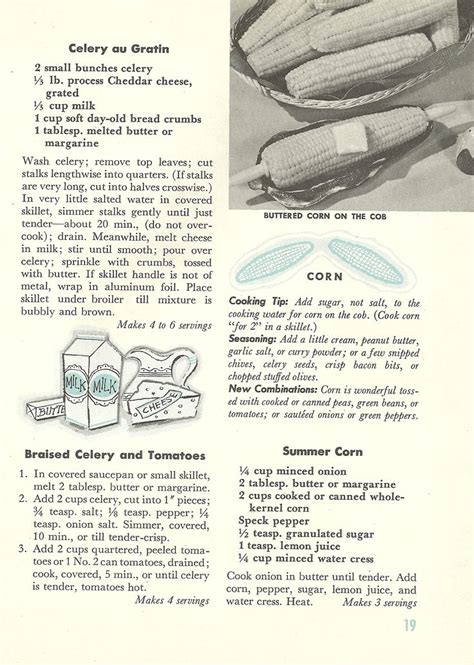
There’s a unique satisfaction in revisiting the culinary traditions of the past. Vintage recipes, often born from eras of resourcefulness, offer a comforting glimpse into historical kitchens. When combined with the vibrant, fresh, and often abundant produce from a seasonal garden, these recipes can be revitalized into something truly special – not only delicious but also remarkably frugal and sustainable. This guide will walk you through the art of adapting these time-honored dishes to make the most of your garden’s bounty without breaking the bank.
Decoding Vintage Recipes for Modern Adaptation
Vintage recipes often differ from their modern counterparts. They might use less precise measurements, rely on staples like lard or specific types of flour, and assume a certain level of kitchen intuition. When adapting, think flexibly. Many older recipes were designed to be stretched, making them perfect candidates for incorporating larger quantities of vegetables. Identify the core components and flavors, then consider where your garden’s harvest can shine.
Common adaptations include swapping out canned vegetables for fresh, reducing sugar content in desserts (as vintage palates were often sweeter), and replacing heavy fats with lighter alternatives or simply less of them, letting the natural flavors of fresh produce take center stage.
Practical Strategies for Seasonal Swaps
Ingredient Substitution is Key
The most straightforward adaptation is direct substitution. For example, if a vintage casserole calls for canned green beans, use your freshly picked snap beans. Replace store-bought frozen peas with sweet garden peas, or swap out jarred fruit preserves with a homemade version using your own berries. Root vegetables from your garden can easily replace supermarket varieties in stews and roasts, bringing superior flavor and texture.
Adjusting Flavors and Textures
Fresh herbs from the garden can elevate almost any dish. A pinch of fresh thyme or rosemary can add depth to a savory vintage stew, while fresh mint or basil can brighten a dessert or salad. Don’t be afraid to experiment with quantities; your garden’s produce might have a more intense flavor than what the original recipe anticipated, so taste as you go.
Seasonal Spotlights: Adapting Through the Year
Spring Harvest
As spring unfurls, your garden offers tender greens, asparagus, peas, and radishes. Adapt heavy winter soups into lighter broths with fresh greens, or transform a creamed vegetable dish by using fresh asparagus tips and new potatoes. A vintage egg custard can be given a spring twist with fresh herb infusions or a side of blanched garden peas.
Summer Bounty
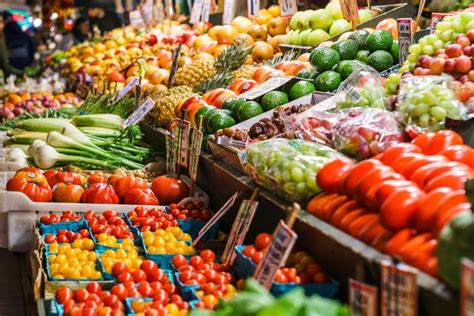
Summer brings an abundance of tomatoes, zucchini, cucumbers, beans, and berries. A vintage tomato soup recipe will sing with sun-ripened garden tomatoes. Zucchini can be shredded into old-fashioned breads, added to stews, or transformed into fritters. Berry pies and crumbles, a staple of vintage baking, become extraordinary with freshly picked fruit.

Autumn Delights
As the weather cools, squash, apples, pumpkins, and root vegetables dominate. Revitalize old stew recipes with roasted carrots, parsnips, and potatoes from your garden. Pumpkin and apple desserts, common in vintage cookbooks, gain unparalleled depth and freshness when made with your homegrown produce. Consider incorporating roasted root vegetables into savory pies or gratins.
Maximizing Frugality from Garden to Table
Frugality is inherent in garden-to-table cooking. To truly optimize your savings:
- Use the Whole Plant: Don’t discard edible parts like carrot tops (for pesto), beet greens (sautéed), or squash seeds (roasted).
- Preserve Excess: Canning, freezing, drying, or fermenting your surplus produce ensures you have ingredients year-round, reducing reliance on store-bought items.
- Batch Cook: When a vegetable is in peak season and abundant, cook large batches of adaptable bases like tomato sauce or roasted vegetables that can be used in multiple meals.
- Meal Plan Around Harvests: Let your garden dictate your menu. Planning meals based on what’s ripe and ready for harvest minimizes waste and maximizes freshness.
Adapting vintage recipes with fresh, seasonal garden produce is a rewarding culinary journey. It’s a testament to timeless resourcefulness, a celebration of flavor, and a commitment to sustainable, economical eating. So, pull out those old cookbooks, step into your garden, and start creating delicious, frugal meals that honor both the past and the present.