


How to adapt vintage recipes using seasonal garden bounty?

Vintage recipes hold a special charm, offering a glimpse into culinary traditions of the past. They often feature hearty ingredients and time-tested techniques that evoke a sense of nostalgia. However, modern palates and access to fresh, seasonal produce present a wonderful opportunity to adapt these classics, infusing them with vibrant flavors and updated nutritional profiles straight from your garden.
Understanding the Vintage Recipe Core
Before you start swapping, it’s crucial to understand the essence of a vintage recipe. Many older recipes were developed during times when ingredients like sugar, butter, and flour were staples, often used in larger quantities than we might today. They frequently called for long cooking times, simple preparation, and a focus on making ingredients stretch. Identifying the core flavor profile and textural goals of the original dish will guide your adaptations.
Assessing Your Garden’s Bounty
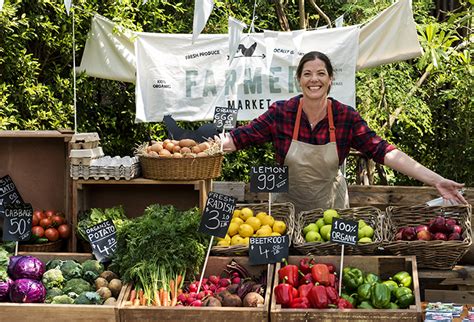
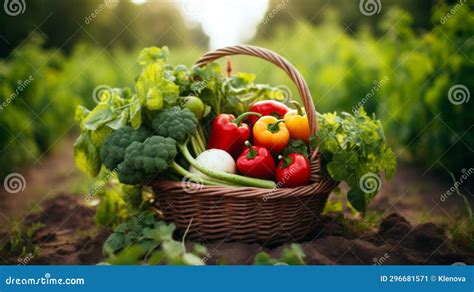
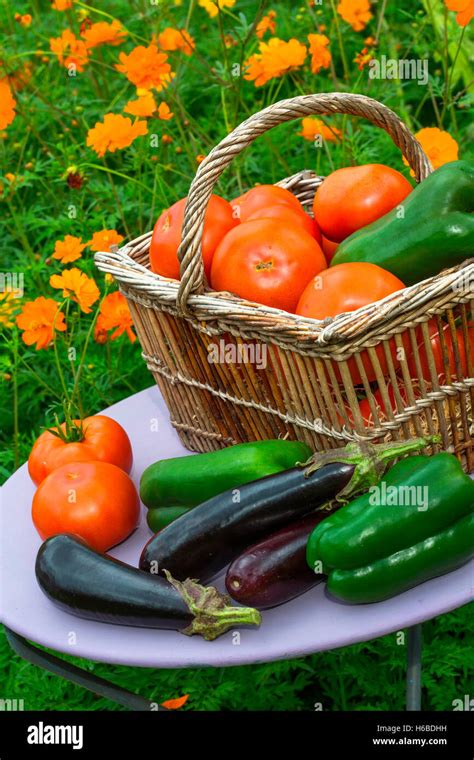
The first step in adaptation is surveying what’s ripe and ready in your garden or at your local farmer’s market. Think about the dominant flavors, textures, and moisture content of your seasonal produce. Do you have an abundance of juicy tomatoes, crisp cucumbers, sweet berries, earthy root vegetables, or tender greens? This fresh harvest will be your muse, dictating which vintage recipes can be most effectively transformed.
Strategic Swaps and Flavor Harmony
The art of adapting lies in making smart substitutions that enhance rather than detract from the dish. Consider these principles:
- Flavor Pairing: Does your garden produce complement the original recipe’s flavor profile? For instance, replacing canned peaches in a cobbler with fresh, ripe garden berries (strawberries, raspberries, blueberries) will add a brighter, more complex sweetness.
- Texture Matching: If a recipe calls for a soft vegetable, aim to replace it with something similar in texture. Firm root vegetables can often be swapped, while delicate greens might need a different cooking approach.
- Moisture Content: Fresh produce often has higher water content than its canned or preserved counterparts. Adjust liquids accordingly in soups, stews, or baked goods to avoid a watery or overly dense outcome.
- Nutrient Boost: Vintage recipes can often be lacking in fresh vegetable content. A classic meat pie can be enhanced with sautéed garden carrots, peas, and potatoes, while a simple casserole can hide a wealth of greens.
Modernizing Techniques and Health Considerations
Beyond ingredient swaps, consider modernizing cooking techniques. Many vintage recipes involve deep-frying or heavy reliance on fats. Your fresh garden produce might shine brighter with lighter methods like roasting, grilling, or sautéing. Furthermore, you can often reduce sugar and fat quantities when using naturally sweet or flavorful garden ingredients without compromising taste.

For example, a rich chocolate cake recipe might benefit from the addition of shredded zucchini or grated beets, adding moisture and nutrients while allowing you to subtly reduce sugar. A classic creamed spinach recipe could be made lighter by incorporating fresh Swiss chard and using a béchamel sauce with a lighter milk, allowing the vibrant green flavor to truly sing.
Embracing Creativity and Experimentation
Don’t be afraid to experiment! Start with small changes and taste as you go. Keep notes on what works well and what doesn’t. A vintage fruit tart could be transformed by a mix of seasonal stone fruits and berries, perhaps with a hint of garden mint. A savory bread pudding might incorporate roasted garden peppers and onions. The possibilities are as endless as your garden’s yield.

Putting It Into Practice: Examples
- Tomato Pie: Instead of canned tomatoes, use a variety of fresh heirloom tomatoes from your garden, roasted slightly to concentrate their flavor, in a savory vintage pie crust.
- Zucchini Bread: Elevate a classic zucchini bread by adding grated carrots or summer squash, along with a touch of garden cinnamon or nutmeg.
- Berry Shortcake: Replace frozen berries with a generous mix of fresh, ripe strawberries, blueberries, and raspberries from your garden, perhaps macerated with a touch of sugar and lemon zest.
- Green Bean Casserole: Ditch the canned green beans and soup. Use fresh blanched garden green beans, a homemade mushroom cream sauce, and crispy fried shallots from scratch.
Adapting vintage recipes with seasonal garden bounty is a delightful way to bridge the past and present in your kitchen. It not only reduces food waste and embraces sustainable eating but also creates dishes that are fresher, more flavorful, and often healthier. So, grab that old cookbook, look out at your flourishing garden, and let your culinary imagination bloom!