



How to amend heavy garden clay soil naturally for better vegetable yields?

Understanding the Challenge of Heavy Clay Soil
Heavy clay soil, with its fine particles, can be a gardener’s nemesis. While rich in nutrients, its dense structure leads to poor drainage, making it slow to warm in spring and prone to compaction. Roots struggle to penetrate, oxygen is scarce, and waterlogging can suffocate plants. This challenging environment often results in stunted growth and disappointing vegetable yields. However, with the right natural amendments and techniques, you can transform this difficult soil into a highly productive medium.

The Power of Organic Matter: Your Clay Soil’s Best Friend
The single most effective way to amend heavy clay soil naturally is by consistently incorporating organic matter. Organic materials work wonders by binding the fine clay particles into larger aggregates, creating a crumbly structure. This process, known as flocculation, improves aeration, drainage, and makes the soil easier to work. It also enhances the soil’s ability to retain moisture in dry spells and nutrients for plants.
Compost and Well-Rotted Manure
- Compost: Homemade or store-bought, compost is a decomposed mix of organic materials. Digging in several inches of compost annually dramatically improves clay’s structure.
- Well-Rotted Manure: An excellent source of organic matter and nutrients. Ensure it is fully composted to avoid burning plants or introducing weed seeds.
- Leaf Mold: Decomposed leaves create a rich, dark material that significantly boosts soil tilth and water retention.
Aim to add a 2-4 inch layer of these materials to your garden beds each fall or spring, working it into the top 6-12 inches of soil.

Other Natural Amendments for Clay Soil
Cover Crops: Nature’s Soil Engineers
Planting cover crops (also known as green manures) like clover, rye, vetch, or buckwheat during off-seasons is an ancient and highly effective method. Their extensive root systems penetrate and break up compacted clay. When tilled into the soil or left to decompose on the surface, they add valuable organic matter, suppressing weeds and preventing erosion.

Gypsum: A Specialized Solution
Calcium sulfate, or gypsum, can sometimes help certain types of clay soil, particularly those with high sodium levels, by promoting aggregation. However, it’s not a universal cure and won’t add organic matter. A soil test can determine if your soil would benefit from gypsum.
Practical Techniques for Working with Clay
Raised Beds: Bypassing the Problem
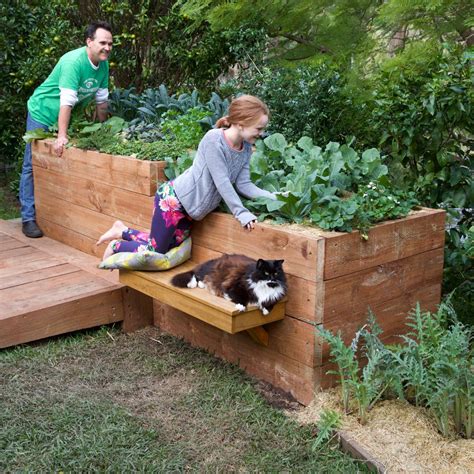
If your clay soil is exceptionally stubborn, constructing raised garden beds filled with a high-quality soil mix (often a blend of topsoil, compost, and sand) can be an excellent solution. This allows you to create an ideal growing environment without having to drastically alter the existing heavy clay beneath.
Minimize Compaction and Proper Watering
Once you’ve begun amending your clay soil, it’s crucial to prevent re-compaction. Avoid walking on garden beds, especially when the soil is wet. Use pathways or dedicated stepping stones. When watering, do so deeply and infrequently, encouraging roots to grow deeper. Mulch generously around plants with organic materials like straw or wood chips to conserve moisture, regulate soil temperature, and further break down into organic matter.
Long-Term Benefits for Your Vegetable Yields
Amending heavy clay soil naturally is a long-term commitment, but the rewards are substantial. As the soil structure improves, you’ll notice:
- Improved Root Growth: Roots can penetrate deeper, accessing more water and nutrients.
- Better Drainage: Reduced waterlogging means healthier roots and fewer fungal issues.
- Enhanced Nutrient Availability: Organic matter holds nutrients in a form readily accessible to plants.
- Easier Tilling: The soil becomes lighter and more friable, making planting and weeding much simpler.
- Increased Yields: Healthier plants translate directly into more abundant and higher-quality vegetable harvests.

Cultivating a Productive Garden from Challenging Soil
Transforming heavy clay soil into a vibrant, productive garden isn’t an overnight task, but it is immensely rewarding. By consistently incorporating organic matter, utilizing cover crops, and practicing mindful gardening techniques, you can overcome the challenges of clay. Embrace these natural methods, and your vegetable garden will flourish, yielding bountiful harvests for years to come.