


How to authentically share farm-to-table BTS challenges without oversharing?
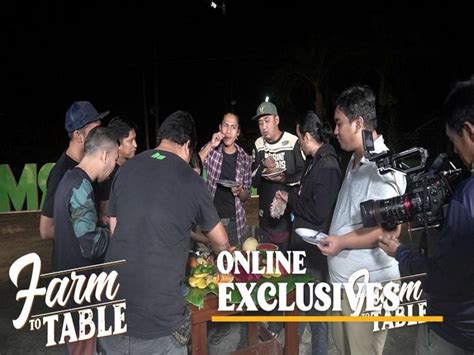
The farm-to-table movement thrives on authenticity, connecting consumers directly to the source of their food. Part of this connection often involves a desire to understand the journey from soil to plate, including the inevitable challenges that arise. Sharing these ‘behind-the-scenes’ (BTS) struggles can build immense trust and empathy, but there’s a fine line between genuine transparency and oversharing that could undermine your brand or privacy.
The Power of Measured Transparency
In an increasingly digital and often sanitized world, consumers crave realness. Revealing the hurdles you overcome in bringing fresh, local food to their tables humanizes your brand, deepens appreciation for your products, and educates customers about the realities of sustainable farming and sourcing. It transforms a transaction into a narrative, making customers feel like they are part of your journey, not just observers.
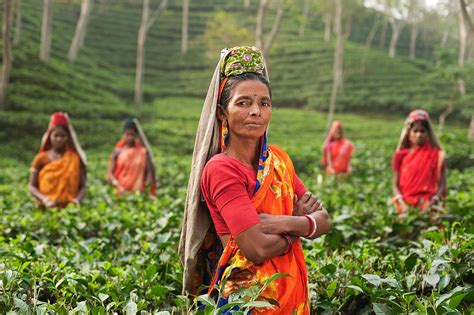
This approach fosters a loyal community and sets you apart from competitors. When customers understand the effort involved, they’re more likely to value your offerings and support you through tough times.
Defining the Line: What Constitutes Oversharing?
While transparency is good, oversharing can backfire. Oversharing often involves revealing sensitive financial details, airing internal disputes, excessively complaining without offering solutions, or compromising the privacy of your staff or partners. It can also mean inundating your audience with minor inconveniences that don’t add significant value to their understanding, leading to fatigue or a perception of negativity.
The key is to consider your audience’s perspective: Is this information genuinely helpful or interesting to them? Does it contribute to their understanding and appreciation, or does it merely paint a picture of constant struggle without a positive takeaway?
Strategies for Authentic, Measured Sharing
Here’s how to share challenges authentically without crossing into oversharing territory:
- Focus on the Process, Not Blame: Instead of complaining about a late delivery, explain the intricate logistics of coordinating fresh produce transport. Frame challenges as part of the process, rather than blaming external factors.
- Highlight Problem-Solving and Resilience: Every challenge is an opportunity to showcase your dedication and ingenuity. Share the problem, but quickly pivot to how you’re addressing it, the lessons learned, or the creative solutions you’ve implemented. This demonstrates professionalism and a positive outlook.
- Use Storytelling: Weave challenges into compelling narratives. For instance, describe the impact of an unexpected frost on your spring crops, but then detail the measures taken to protect future yields or alternative sourcing strategies. Good storytelling evokes emotion without dwelling on negativity.
- Be Mindful of Timing and Platform: Not every challenge needs to be broadcast immediately. Sometimes, it’s better to share a resolved issue with a complete narrative rather than a live, unfolding crisis. Choose platforms wisely: a detailed blog post might be better for complex issues than a quick social media update.
- Balance Challenges with Successes: Ensure your overall content strategy isn’t solely focused on difficulties. Interweave stories of challenges with celebrations of successful harvests, customer testimonials, and the beauty of farm life.
- Protect Privacy and Confidentiality: Never share sensitive business information, details that could compromise your competitive edge, or personal information about your team members without explicit consent. Generalize where necessary.
Examples of Challenges to Share (and How)
- Weather Impacts: Instead of simply saying, “Bad weather ruined our crops,” explain how unusual rainfall affected your planting schedule, the alternative crops you chose, or how you adapted your irrigation system.
- Supply Chain Hurdles: Rather than venting about a delayed delivery, discuss the complexities of sourcing specific ingredients locally, the importance of reliable partners, and your contingency plans for ensuring quality.
- Labor Shortages: Explain the dedication required by your small team, the innovative ways you’re maximizing efficiency, or your commitment to fair wages, without making it sound like a dire plea.
- Seasonal Limitations: Highlight the natural ebb and flow of availability, educating customers about seasonality rather than lamenting the absence of certain produce.
Crafting Your Narrative with Care
When sharing challenges, maintain a professional, optimistic, and educational tone. Use visuals, such as photos or short videos, to illustrate the points without making them seem dramatic. For example, a picture of a newly installed greenhouse after a crop loss tells a story of resilience and investment. Always aim to empower and inform your audience, leaving them with a deeper respect for your work, rather than pity or concern.

Authentically sharing the BTS challenges of your farm-to-table business is a powerful tool for building a strong, engaged community. By focusing on process, problem-solving, and responsible storytelling, you can foster deeper connections and turn obstacles into opportunities for growth and appreciation, without ever venturing into the realm of oversharing.