



How to avoid watery homemade tomato sauce from garden tomatoes?
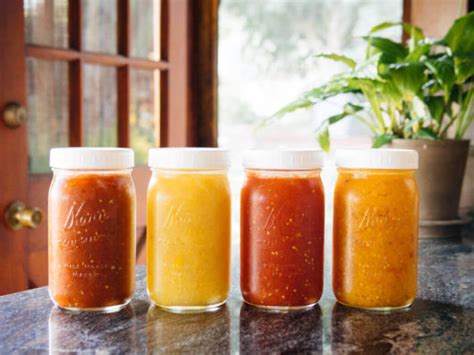
There’s nothing quite like the taste of homemade tomato sauce crafted from the bounty of your own garden. However, many home cooks face the common frustration of their sauce turning out thin and watery, rather than the rich, concentrated consistency they desire. This often stems from the high water content inherent in fresh, ripe garden tomatoes. But fear not! With a few strategic steps, you can transform those juicy gems into a deeply flavorful, perfectly thick sauce every time.
Selecting the Best Tomatoes for Sauce
The foundation of a thick sauce begins with your choice of tomato. Not all tomatoes are created equal when it comes to sauce making. Varieties with lower water content and more meaty flesh are your best friends. Look for paste tomatoes like Roma, San Marzano, Amish Paste, or Amish Canning. These varieties have fewer seeds and less gel, which means less water to evaporate later.
While slicing tomatoes (like Beefsteaks or Better Boys) are delicious for fresh eating, their high juice content makes them less ideal for sauce unless you’re prepared for a much longer cooking time to reduce the liquid.
Pre-Sauce Preparation is Key
Before you even think about simmering, some crucial prep work can significantly reduce the water in your tomatoes.
Roasting Your Tomatoes
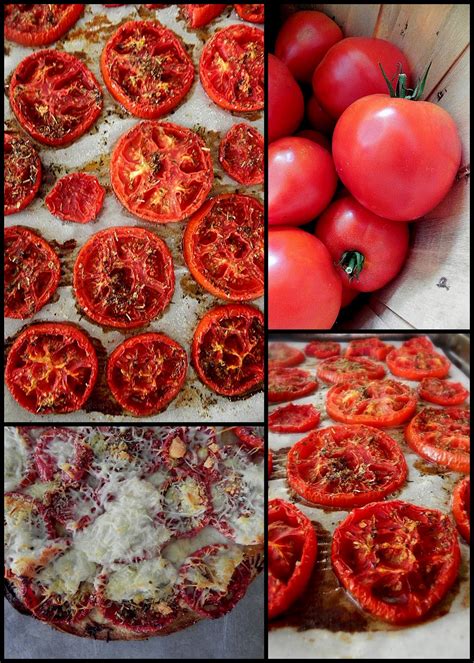
Roasting tomatoes before pureeing them is a game-changer. Halve your tomatoes, toss them with a little olive oil, salt, and pepper, and roast them at 350-400°F (175-200°C) until they are softened and slightly caramelized. This process allows a significant amount of water to evaporate right from the start, concentrating their flavor and natural sugars.
Peeling and Seeding
Tomato skins can add a slightly bitter flavor and contribute to a less smooth texture, though they don’t add much water. More importantly, the seeds and the surrounding gel contain a lot of water. You can remove these by blanching your tomatoes in boiling water for 30-60 seconds, then transferring them to an ice bath, which makes the skins easy to peel off. After peeling, cut them in half and gently squeeze out the seeds and excess liquid before proceeding.
The Art of Simmering for Thickness
Once your tomatoes are prepped and pureed (or roughly chopped, depending on your desired sauce texture), the actual cooking process is critical for achieving a thick sauce. Patience is a virtue here.
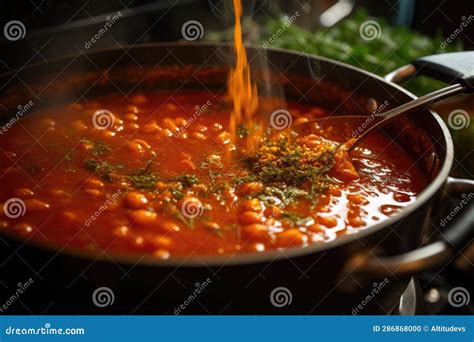
Cook your sauce uncovered over low to medium-low heat. This allows steam to escape efficiently, letting the water evaporate steadily. Stir frequently to prevent sticking, especially as the sauce thickens. The longer you simmer, the more water will evaporate, and the more concentrated and thick your sauce will become. A good rule of thumb is to simmer until the sauce is reduced by at least a third, or to your desired consistency. This can take anywhere from 1 to 3 hours, sometimes even longer.
Strategic Thickening (If Needed)
While proper preparation and simmering should get you most of the way there, sometimes a little extra help is needed, or you might be short on time. Here are a couple of natural thickening options:
- Tomato Paste: A spoonful or two of high-quality tomato paste can add depth of flavor and help thicken the sauce. Add it early in the cooking process to allow its flavors to meld.
- Pureed Vegetables: Adding other pureed vegetables like carrots, onions, or even a baked potato can subtly thicken the sauce without significantly altering the tomato flavor.
Avoid adding flour or cornstarch directly, as these can give your sauce a gummy texture and dull its vibrant tomato flavor. Focus on natural reduction first.
Don’t Forget Seasoning and Storage
Proper seasoning not only enhances flavor but can also make a sauce feel richer. Don’t be shy with salt, and consider a pinch of sugar to balance acidity, especially with fresh garden tomatoes. Fresh herbs like basil and oregano, added towards the end, will brighten the flavor profile.
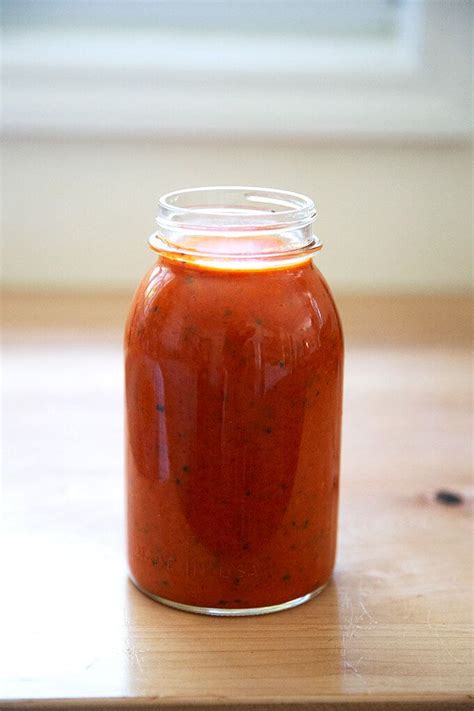
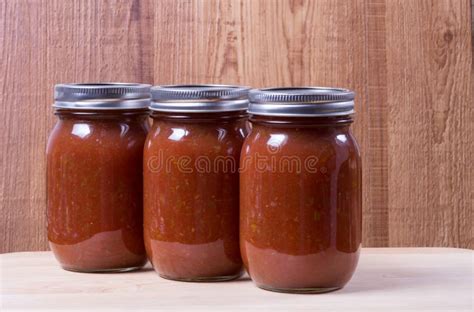
Finally, remember that sauces tend to thicken further as they cool. If your sauce seems slightly thinner than desired right off the stove, let it cool completely before making a final judgment. Refrigerating overnight can often produce a noticeably thicker sauce the next day. For long-term storage, ensure your sauce is properly cooled before freezing in airtight containers or canning according to safe guidelines.
By carefully selecting your tomatoes, performing crucial pre-sauce preparations, and patiently simmering, you can banish watery tomato sauce woes forever. Enjoy the rich, robust, and beautifully thick homemade sauce that truly celebrates your garden’s bounty!