How to balance real food prep, homestead chores, & family time?

The Homesteading Juggling Act: Finding Harmony
For many embracing the homesteading lifestyle, the vision is one of self-sufficiency, wholesome food, and deep family connection. However, the reality often involves a relentless cycle of tasks: garden upkeep, animal care, food preservation, and, of course, the daily rhythm of preparing nourishing meals from scratch. When these demands collide with the desire for quality family time, it can feel less like a dream and more like a never-ending sprint. The key to sustainable homesteading isn’t about doing more, but about finding smarter ways to integrate these essential pillars of your life.
The challenge is real. Real food prep often means hours spent chopping, cooking, fermenting, and preserving. Homestead chores demand consistent attention, from milking goats to weeding rows of vegetables. And family time, the very reason many choose this path, can easily be squeezed out by the sheer volume of work. This article will explore actionable strategies to help you weave these threads together, creating a tapestry of productivity and presence.

Smart Strategies for Efficient Real Food Prep
Preparing real, wholesome food is a cornerstone of the homesteading philosophy, but it doesn’t have to consume all your waking hours. Strategic planning can dramatically reduce kitchen time while still delivering delicious, nutritious meals.
- Master Meal Planning & Batch Cooking: Dedicate an hour once a week to plan all your meals. Identify ingredients that can be prepped in bulk (e.g., chopping a week’s worth of onions and peppers) or entire meals that can be cooked ahead and frozen. Soups, stews, casseroles, and baked goods are excellent candidates for batch cooking.
- Involve the Whole Family: Transform food prep into a family activity. Even young children can wash vegetables, stir ingredients, or set the table. Older children can take on more complex tasks like peeling, chopping, or even following simple recipes. This not only lightens your load but also teaches valuable life skills and fosters connection.
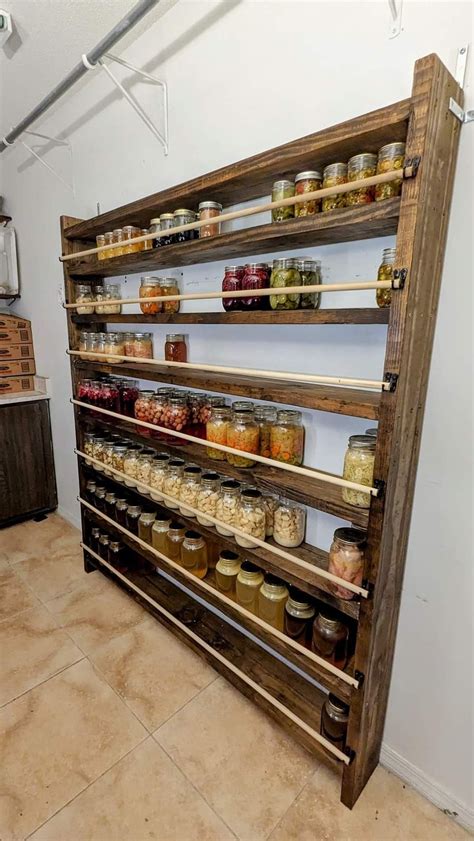
- Embrace Food Preservation: When garden harvests are abundant, view preservation as an extension of meal prep. Canning, dehydrating, or freezing produce ensures you have healthy ingredients readily available year-round, reducing last-minute cooking stress.
Optimizing Homestead Chore Management
Homestead chores are often non-negotiable, but how you approach them can make all the difference in freeing up your schedule for family time.
- Prioritize and Routine-ize: Identify essential daily chores versus weekly or seasonal tasks. Create a daily routine for critical items (feeding animals, milking) and stick to it. Delegate less urgent tasks to specific days or times.
- Delegate Age-Appropriately: Just like food prep, homestead chores are excellent opportunities for family involvement. Assign age-appropriate responsibilities: feeding chickens, gathering eggs, watering plants, raking leaves. Clearly define roles and expectations, making it a collaborative effort rather than a solo burden.
- Seasonal Planning: Understand the rhythm of your homestead. Know when planting, harvesting, or animal breeding seasons demand more time and plan your family activities around these peaks. Conversely, utilize slower seasons for deeper family engagement or larger projects that might have been put on hold.

Protecting and Maximizing Family Time
With efficient food prep and chore management in place, the next step is to intentionally carve out and cherish family time.
- Schedule Non-Negotiable Family Time: Just as you schedule chores, schedule dedicated family time. This could be a daily dinner, a weekly game night, a Sunday hike, or a regular read-aloud session. Treat these appointments as sacred.
- Combine Tasks with Togetherness: Many homestead chores can be transformed into family experiences. Gardening together, harvesting berries, collecting firewood, or even mending fences can become opportunities for conversation, teaching, and shared laughter. The goal isn’t just to complete the task, but to enjoy the process together.
- Create Buffer Times: Allow for some flexibility in your schedule. Rushing from one task to the next leaves no room for spontaneous moments or unexpected delays. Building in small buffer times can reduce stress and open up opportunities for impromptu family moments.

Embracing Imperfection and Flexibility
The pursuit of a perfectly balanced homesteading life can be exhausting if you strive for an unattainable ideal. It’s crucial to embrace flexibility and understand that perfection is not the goal.
- Lower Your Expectations (Sometimes): Some days, dinner might be simpler than planned, or a chore might get pushed to tomorrow. That’s okay. Prioritize rest and family connection when necessary.
- Regularly Re-evaluate: What works one season might not work the next. Regularly sit down as a family or individually to assess what’s working and what isn’t. Be willing to adjust your routines and systems.
- Focus on the “Why”: Remind yourself why you chose this path – for health, sustainability, and connection. Keeping your core values in mind can help you navigate the busy periods and appreciate the smaller moments of joy.

Conclusion: A Harmonious Homestead Life is Possible
Balancing real food prep, homestead chores, and precious family time is an ongoing journey, not a destination. It requires intentional planning, efficient execution, and a generous dose of flexibility. By strategically involving your family in tasks, optimizing your routines, and fiercely protecting your shared moments, you can cultivate a harmonious homestead where productivity thrives alongside deep connection. Remember, the goal isn’t to do it all perfectly, but to do it sustainably and joyfully, together.