How to balance rustic food prep BTS with a polished homemade story aesthetic?
The Modern Food Content Dilemma
In the vibrant world of food content creation, a unique challenge has emerged: how to authentically showcase the often-messy, yet captivating, process of rustic food preparation while simultaneously presenting a final product that embodies a polished, homemade aesthetic. Audiences crave both transparency and beauty; they want to see the flour-dusted hands and the perfectly plated dish. Striking this balance is key to creating engaging, relatable, and aspirational food stories.
Embracing the Rustic Charm: Behind-the-Scenes Authenticity
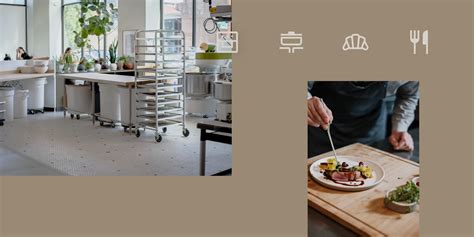
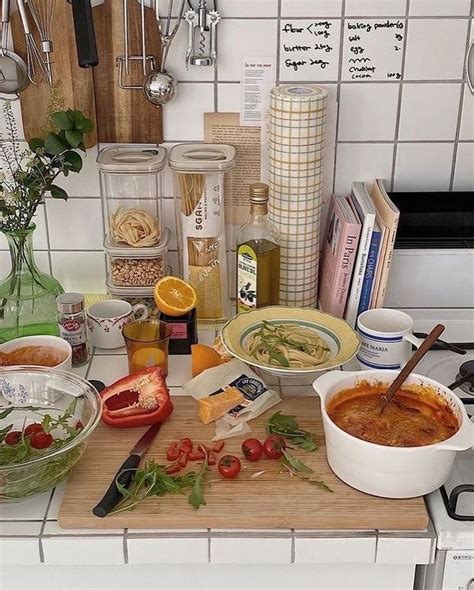
The allure of rustic food prep lies in its raw honesty. It’s about real ingredients, human hands, and the natural progression from raw components to a delicious meal. To effectively capture this, focus on genuine moments: the chopping of vegetables, the kneading of dough, the sizzle in the pan. Don’t be afraid to show imperfections – a little flour on the counter or a smudged apron can enhance the feeling of authenticity. Use natural light where possible to highlight textures and colors, emphasizing the wholesome, tangible aspects of your ingredients.
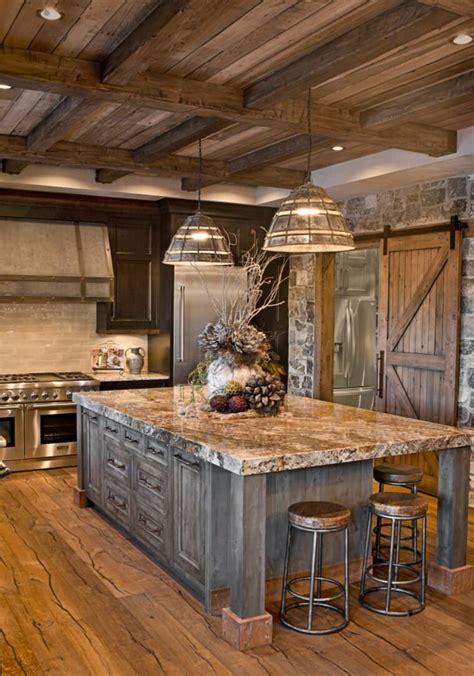
Authenticity builds trust and connection with your audience. It makes your content relatable and inspires viewers to try cooking themselves. Think about capturing the sounds and movements, even if subtly, as these elements contribute to the immersive BTS experience. Close-ups on hands, ingredients, and traditional tools can tell a powerful story without needing extensive narration.
Crafting the Polished Plate: The Final Aesthetic
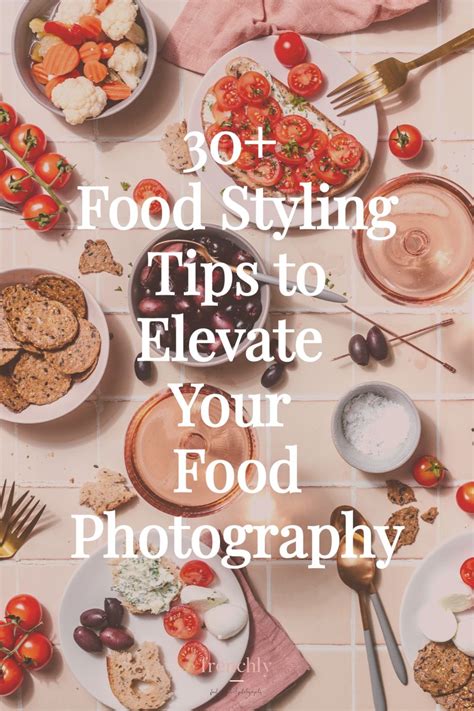
Once the rustic work is done, the transformation to a polished aesthetic begins. This phase is about presentation, plating, and creating an appealing visual narrative for your finished dish. Focus on composition, color contrast, and creating a sense of deliciousness. Use thoughtful styling – a carefully chosen backdrop, a sprig of fresh herbs, or a strategically placed napkin can elevate the entire image.
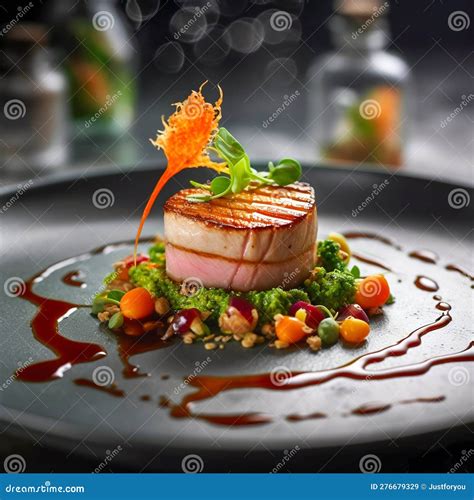
Lighting is paramount here; soft, diffused light can highlight textures and create inviting shadows, giving your food depth and appeal. Consider your angles – eye-level shots for a personal touch, or overhead shots for intricate plating. The goal is to make the homemade dish look professional and irresistible, encouraging viewers to imagine themselves enjoying it.
Bridging the Visual Divide: Seamless Transitions
The magic happens in how you connect these two seemingly disparate worlds. The key is thoughtful storytelling and visual continuity. Maintain a consistent color palette and general style throughout your entire content piece, even as you shift from messy prep to pristine presentation. This could mean using similar filters or color grading in your editing, or sticking to a consistent set of props and backdrops that appear in both BTS and final shots.
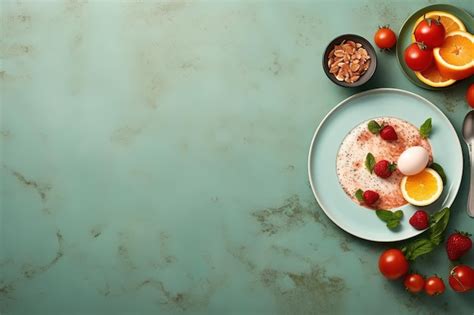
Narrative flow is also crucial. Start with the raw ingredients, show the engaging process, and culminate in the mouth-watering finished product. Use transitions in your editing to smoothly move between scenes, allowing the audience to follow the journey from humble beginnings to culinary masterpiece. Strategic staging can also help; for example, a rustic cutting board used for prep might reappear subtly as a backdrop for the final dish, tying the two together visually.
Practical Techniques for a Harmonious Blend
- Controlled Chaos: Even in rustic BTS, consider your composition. Arrange ingredients artfully, even if they look ‘natural.’
- Lighting Consistency: Aim for similar lighting conditions in both prep and final shots to ensure visual harmony. Natural light is often your best friend.
- Prop Selection: Choose props (linens, pottery, cutlery) that bridge the gap – perhaps rustic wooden spoons for prep, and elegant but still ‘homemade’ ceramics for the final presentation.
- Clean-Up Edits: While showing rustic process, some judicious editing to remove truly distracting elements can help maintain an overall pleasant aesthetic.
The Power of Narrative: Weaving Your Food Story
Ultimately, balancing rustic BTS with a polished aesthetic comes down to telling a cohesive story. Every slice, stir, and simmer contributes to the journey of the dish. Think about the ‘why’ behind your cooking – is it a family recipe, a seasonal ingredient, or a personal challenge? Weave this narrative through your content, letting the authenticity of the prep highlight the care and effort that goes into the beautiful final creation. This emotional connection transforms simple food content into a memorable experience.
Conclusion: A Recipe for Authentic Polish
Achieving the perfect blend of rustic food prep and a polished homemade story aesthetic is an art. It requires embracing authenticity, mastering presentation, and creating seamless visual transitions. By thoughtfully planning your shots, maintaining visual consistency, and focusing on a compelling narrative, you can create food content that is both beautifully aspirational and genuinely relatable, leaving a lasting impression on your audience.