How to balance showing real kitchen mess with a polished food blog look?

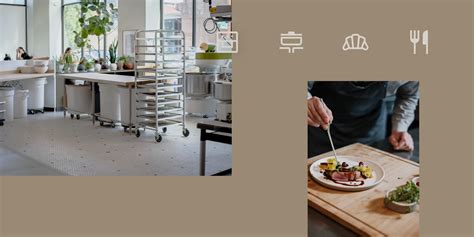
For many food bloggers, the kitchen is a war zone of flour dust, splattered sauces, and forgotten utensils – a testament to the passion and creativity poured into every dish. Yet, the curated world of food blogs often demands sparkling countertops, perfectly arranged props, and not a crumb out of place. This stark contrast presents a unique dilemma: how do you stay authentic to the real, often messy, process of cooking while delivering the aspirational, visually stunning content your audience expects?
The Authenticity vs. Aspiration Tug-of-War
The rise of social media has amplified the desire for “relatable” content. Audiences increasingly appreciate seeing the journey, not just the destination. A pristine kitchen might suggest an unattainable standard, potentially alienating home cooks who wrestle with sticky dough and overflowing sinks. However, too much chaos can detract from the beauty of the food itself, making your blog appear unprofessional or unappealing. Finding the sweet spot means understanding your brand’s voice and what level of “real” resonates with your specific niche.
Strategic Tidying: Cleaning for the Camera
You don’t need a spotless kitchen from start to finish. The key is strategic cleaning. Before snapping your hero shots, take a few minutes to clear the immediate background around your dish. Wipe down visible countertop surfaces, remove distracting items like used cutting boards or stacks of dirty dishes (even if they’re just out of frame), and consolidate ingredients into aesthetically pleasing bowls if they’re still part of the shot. Think of it as creating a clean “bubble” around your masterpiece, leaving the rest of the kitchen’s reality to be implied or addressed separately.
Consider the timing of your mess. The peak of cooking activity, when multiple pans are sizzling and ingredients are flying, is rarely the ideal moment for a beauty shot. Save the polished photography for when the dish is plated, or when specific, controlled elements of the process are being highlighted. This allows you to manage the visual information effectively.
Embracing “Controlled Chaos” for Realism
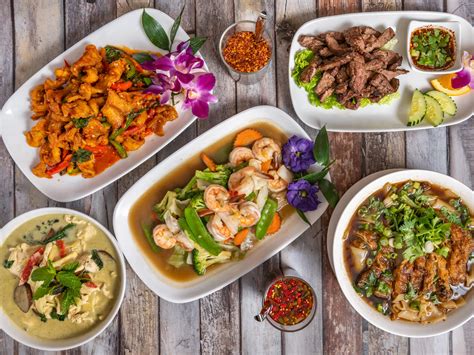
Sometimes, a little mess adds character. A few stray flour sprinkles on a wooden board when baking bread, a perfectly smudged knife after cutting a cake, or a beautifully stained linen napkin can convey a sense of genuine use and warmth. The trick is to make these elements look intentional, not accidental. Position them thoughtfully within the frame to enhance the narrative, rather than detract from it. This “controlled chaos” suggests a lived-in kitchen where delicious things are actively made, without overwhelming the viewer.
Think about the types of messes that are visually appealing versus those that are simply unsightly. A few crumbs around a cookie shot? Charming. A pile of greasy pots? Less so. Develop an eye for what type of “mess” contributes to the story of the food and what detracts from it.
Leveraging Behind-the-Scenes Content
Your blog post’s primary images don’t have to tell the entire story. Use other platforms or dedicated sections of your blog to reveal the true “behind the scenes.” Instagram Stories, Reels, or a separate “Kitchen Diaries” blog category are perfect for showcasing the gritty reality – the towering sink full of dishes, the chaotic ingredient prep, or even the occasional cooking mishap. This allows you to satisfy the demand for authenticity without compromising the visual appeal of your main recipe photography.
Engaging with your audience by sharing these candid moments builds trust and relatability. It reminds them that you’re a real person cooking in a real kitchen, just like them, and that the beautiful end product is the result of a genuine effort, not magic.
The Magic of Editing and Cropping
Don’t underestimate the power of post-production. Smart cropping can eliminate distracting elements just outside the frame, turning a messy corner into a pristine backdrop. Adjusting lighting and contrast can make even a slightly less-than-perfect surface appear more appealing. Photo editing software can be your best friend in cleaning up minor spills or smudges that might have been missed during physical cleanup. However, use these tools judiciously; the goal is to enhance, not to deceive. Over-editing can make images look artificial and lose their genuine appeal.
Finding Your Unique Balance
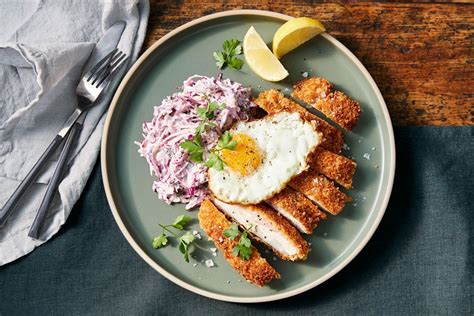
Ultimately, the perfect balance between showing real kitchen mess and maintaining a polished food blog look is subjective and depends on your personal brand. Experiment with different approaches. Pay attention to what resonates with your audience. Ask yourself: does this image tell a story? Does it make the food look delicious and achievable? By being mindful of both authenticity and aesthetics, you can create a food blog that is both inspiring and genuinely relatable, fostering a loyal community around your culinary creations.