
How to batch cook real food for quick family meals on busy weeknights?
Busy weeknights often lead to a common dilemma: how to get a nutritious, delicious meal on the table without resorting to takeout or processed foods? The answer for many families lies in the power of batch cooking real food. This method allows you to prepare large quantities of wholesome ingredients in advance, setting you up for quick, stress-free meal assembly throughout the week.
The Game-Changing Benefits of Batch Cooking
Batch cooking isn’t just about saving time; it’s a holistic approach to healthier, more economical, and less stressful family meals. By dedicating a few hours once or twice a week, you can significantly reduce daily cooking time, cut down on food waste, and ensure your family is eating well, even on the most hectic evenings.
- Time Efficiency: Cook once, eat multiple times. This frees up precious weeknight hours.
- Healthier Choices: Having pre-cooked real food makes it easier to resist unhealthy convenience options.
- Cost Savings: Buying in bulk and cooking at home is generally cheaper than daily grocery runs or dining out.
- Reduced Stress: No more last-minute meal panic or endless dishwashing every night.
- Less Food Waste: Planning and cooking intentionally helps utilize ingredients fully.

What is ‘Real Food’ Batch Cooking?
When we talk about ‘real food,’ we mean ingredients that are minimally processed, close to their natural state, and free from excessive additives, artificial colors, or preservatives. For batch cooking, this translates to focusing on:
- Whole Grains: Brown rice, quinoa, farro, oats.
- Lean Proteins: Chicken breast, ground turkey, beans, lentils, eggs, tofu, fish.
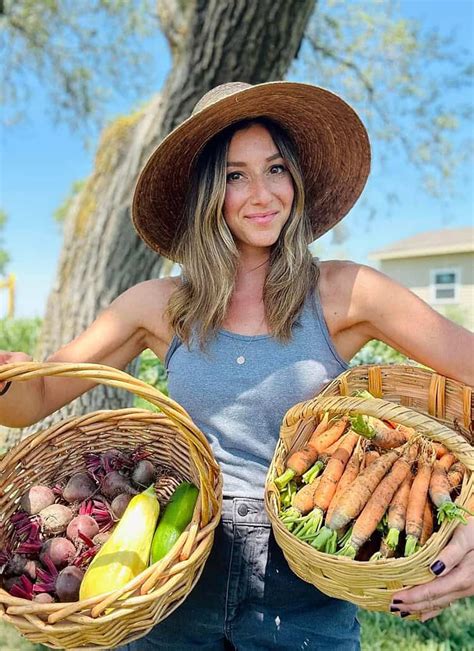
- Plenty of Vegetables: Fresh, frozen, or roasted.
- Healthy Fats: Olive oil, avocado oil, nuts, seeds.
- Simple Sauces and Dressings: Often homemade to control ingredients.
Planning for Success: The Blueprint
A successful batch cooking session starts with meticulous planning. This isn’t just about what you’ll cook, but how it will be used.
- Meal Theme & Menu Creation: Decide on a few core ingredients that can be repurposed. For example, roasted chicken can become tacos, salads, or a stir-fry. Plan 3-4 distinct meals for the week.
- Grocery List: Based on your menu, create a detailed shopping list. Stick to it to avoid impulse buys.
- Check Your Pantry: See what you already have to prevent duplicate purchases.
- Dedicated Time Slot: Block out 2-3 hours on a weekend or a free evening for cooking.

Core Components for Efficient Batch Cooking
Focus on versatile building blocks rather than complete meals. These foundational items can be mixed and matched.
Proteins
- Cook large batches of chicken: Roast whole chickens, grill chicken breasts, or cook ground chicken/turkey with simple seasonings.
- Hard-boiled eggs: Perfect for quick breakfasts, snacks, or salad toppings.
- Legumes: Cook dried beans or lentils from scratch; they’re cheaper and healthier than canned versions.
Grains
- Cook a big pot of quinoa or brown rice: These are excellent bases for bowls, salads, or sides.
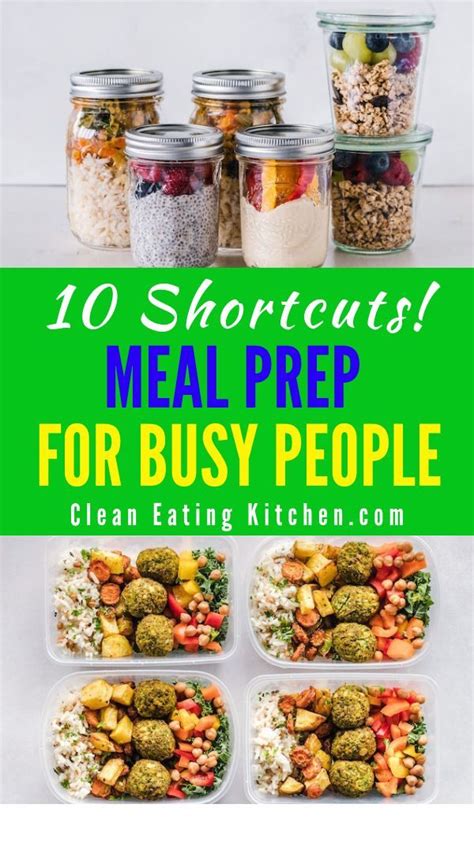
- Prepare oats: Overnight oats can be prepped in jars for grab-and-go breakfasts.
Vegetables
- Roast a sheet pan of veggies: Broccoli, bell peppers, sweet potatoes, carrots are great for roasting and can be added to almost any meal.
- Chop fresh veggies: Prep salad ingredients, stir-fry components, or snack veggies like carrots and celery.
Sauces and Dressings
- Whip up a large batch of vinaigrette, pesto, or a simple marinara sauce.
Your Batch Cooking Session: Tips for an Efficient Cook-Off
Once you have your plan and groceries, it’s time to execute. Think strategically to maximize your time.
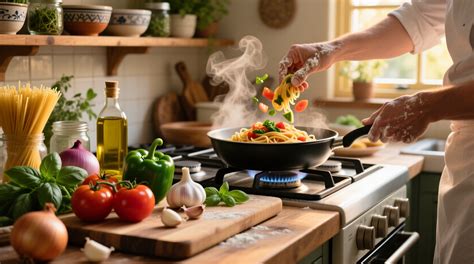
- Multi-task: Use multiple burners and oven racks simultaneously. While rice cooks on one burner, roast vegetables in the oven, and sauté chicken on another burner.
- Chop First: Get all your chopping done at the beginning. This makes the cooking process much smoother.
- Clean As You Go: Wash utensils and bowls as you finish with them to avoid a daunting cleanup at the end.
- Keep it Simple: Don’t try to create overly complicated dishes. Focus on simple, wholesome flavors that can be easily enhanced later.
Storage and Smart Repurposing
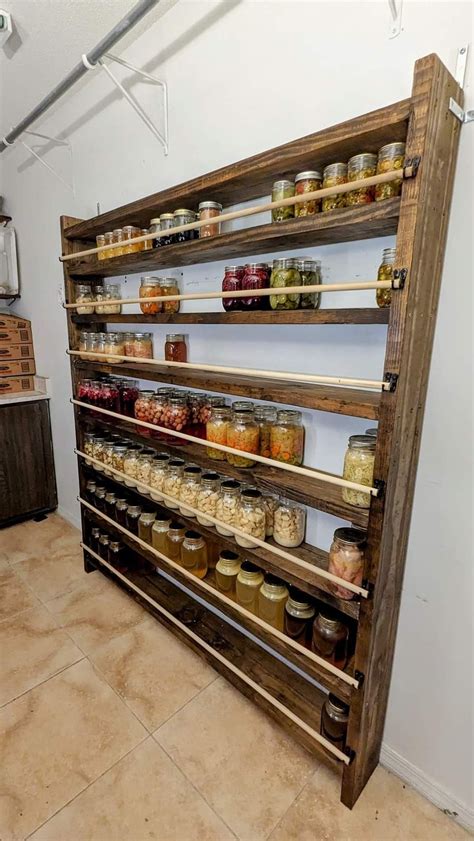
Proper storage is crucial for keeping your batch-cooked food fresh and safe. Invest in good quality airtight containers.
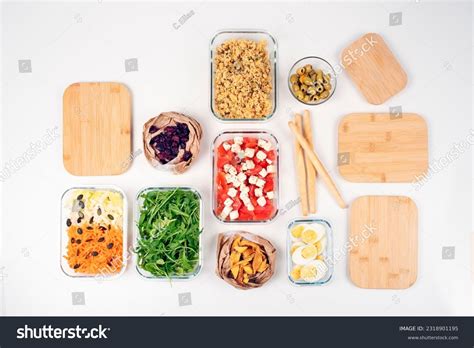
- Portioning: Store components separately to maintain freshness and allow for flexible meal creation.
- Labeling: Date your containers, especially if you’re freezing items.
- Freezing: Many cooked items like grains, cooked meats, and stews freeze well for longer storage.
- Repurposing: This is where the magic happens! Cooked chicken can be used in wraps, salads, pasta dishes, or quesadillas. Roasted veggies can go into omelets, grain bowls, or served as a simple side.
Sample Weeknight Meal Ideas Using Batch-Cooked Components
Here’s how you can transform your prepped ingredients into quick meals:
- Monday: Chicken & Veggie Grain Bowls: Combine pre-cooked quinoa, roasted vegetables, and shredded chicken. Top with a pre-made dressing and some fresh greens.
- Tuesday: Quick Chicken Tacos: Warm up shredded chicken, serve with tortillas, pre-chopped salsa, and any fresh toppings.
- Wednesday: Speedy Stir-fry: Sauté pre-chopped raw vegetables with pre-cooked protein and a quick sauce. Serve over pre-cooked rice.
- Thursday: Loaded Baked Potatoes: Bake potatoes (or microwave quick-bake ones) and top with pre-cooked ground meat, beans, or steamed veggies.
Tips for Long-Term Success
- Start Small: Don’t try to batch cook for an entire month on your first attempt. Begin with 2-3 core components and build from there.
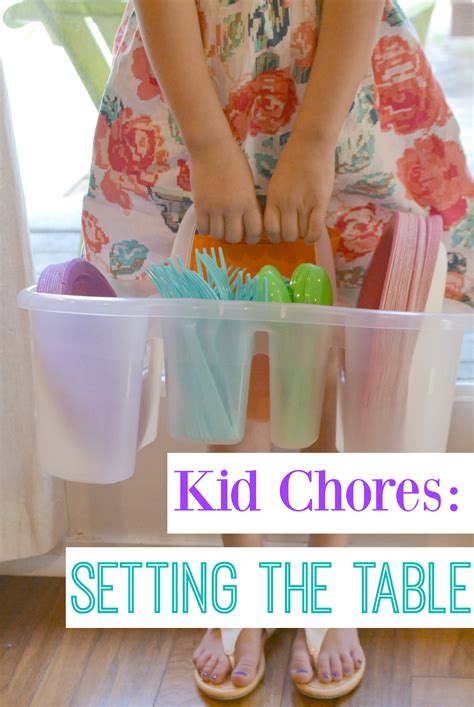
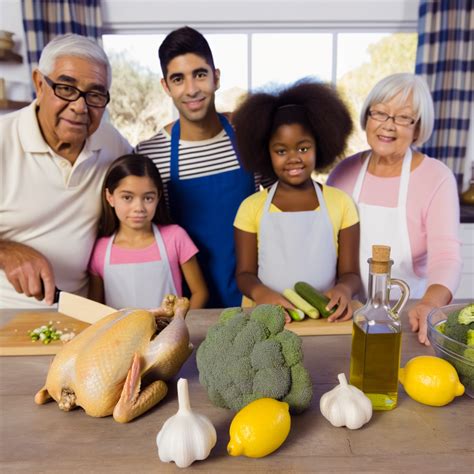
- Involve the Family: Get kids involved in age-appropriate tasks like washing vegetables or setting the table. This makes them more invested in the meals.
- Be Flexible: Life happens. If one week is too busy for a full batch cook, focus on just one or two key items.
- Invest in Good Gear: Quality storage containers, a good knife, and a large cutting board can make a big difference.

Batch cooking real food is more than just a trend; it’s a sustainable lifestyle change that empowers busy families to enjoy wholesome, home-cooked meals without the daily grind. By planning strategically and dedicating a little time upfront, you can reclaim your weeknights and nourish your family with delicious, real food, even when time is tight.