How to best adapt recipes for preserving peak garden produce?
Capturing the Season: Why Adapt Recipes for Preservation?
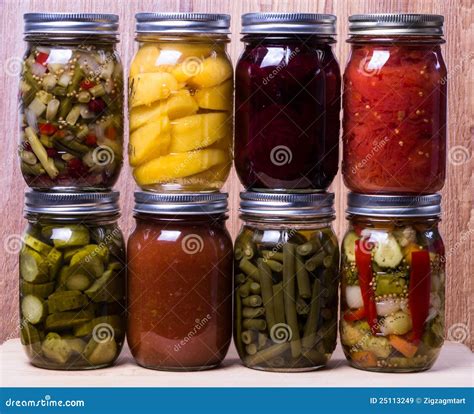
The joy of a thriving garden often comes with a delightful challenge: how to make the most of an abundant harvest. Preserving your peak garden produce allows you to enjoy the flavors of summer long after the season ends. However, simply using a fresh produce recipe for preserved ingredients often leads to disappointing results. Successful preservation requires thoughtful recipe adaptation, taking into account changes in texture, moisture, and flavor compounds that occur during canning, freezing, drying, or fermenting.
Adapting recipes isn’t just about making them work; it’s about optimizing them to enhance the unique characteristics of preserved ingredients. This guide will walk you through the essential principles and practical tips for transforming your garden’s bounty into delicious, shelf-stable creations.

Understanding Your Produce and Preservation Methods
Before you even begin adapting, it’s crucial to understand the properties of your specific produce and the preservation method you intend to use. Different fruits and vegetables react uniquely to heat, cold, and dehydration, impacting their suitability for various preservation techniques.
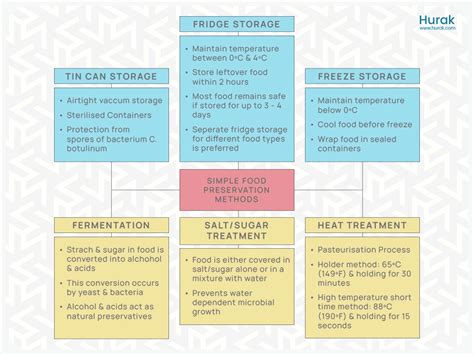
- Canning: Best for high-acid foods (fruits, tomatoes with added acid, pickles) or low-acid foods (vegetables, meats) processed under pressure. Canning dramatically alters texture and requires careful attention to pH and sealing.
- Freezing: Ideal for many vegetables (often blanched first), fruits, and herbs. Freezing generally retains more flavor and nutrients but can change texture, making produce softer upon thawing.
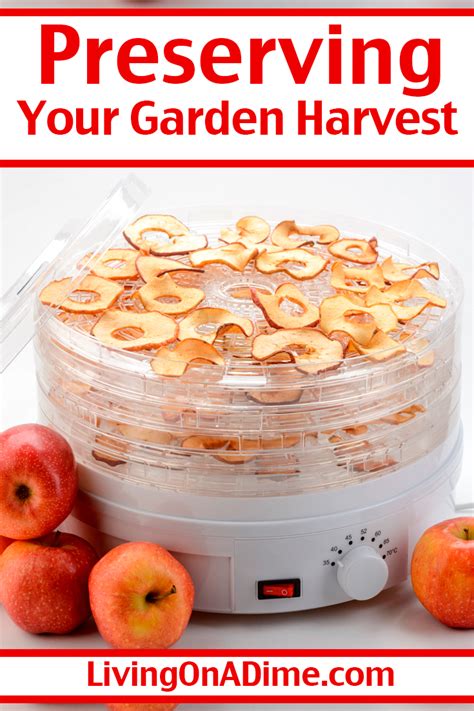
- Dehydrating: Excellent for herbs, fruits, and some vegetables. This method removes water, concentrating flavors but also making the food tougher and requiring rehydration for many uses.
- Fermenting: Transforms vegetables (like cabbage for sauerkraut, cucumbers for pickles) through beneficial bacteria, adding complex flavors and extending shelf life.
Knowing how your chosen method affects the produce is the first step in successful recipe adaptation.
Key Principles for Recipe Adaptation
When converting a recipe from fresh to preserved ingredients, several core principles come into play:
1. Account for Moisture Content: Preserved produce, especially frozen or rehydrated dried goods, often has a higher water content than its fresh counterpart, or it can be much drier if dehydrated. For soups, stews, or sauces, you may need to reduce liquids or thicken more aggressively. Conversely, dried ingredients will absorb significant liquid, so increase the moisture in the recipe.
2. Adjust Seasoning and Acidity: The canning process, in particular, can mellow flavors. Salt levels might need adjustment, especially if your preserved produce was brined or processed with salt. Acidity is crucial for food safety in canning and also for flavor balance; sometimes a splash of lemon juice or vinegar can brighten flavors.
3. Consider Texture Changes: Frozen vegetables tend to be softer than fresh ones once thawed, and canned items are often very soft. For dishes where crispness is desired (e.g., salads), preserved produce might not be the best fit. For cooked dishes, compensate by adding them later in the cooking process to avoid over-mushing, or embrace the softer texture for purees and sauces.
4. Understand Pre-Cooking and Blanching: Many vegetables are blanched before freezing to preserve color, flavor, and nutrients. This pre-cooking means they require less cooking time in your final recipe. Account for this when planning your dish’s preparation.
Adapting Specific Recipe Types
Jams, Jellies, and Preserves
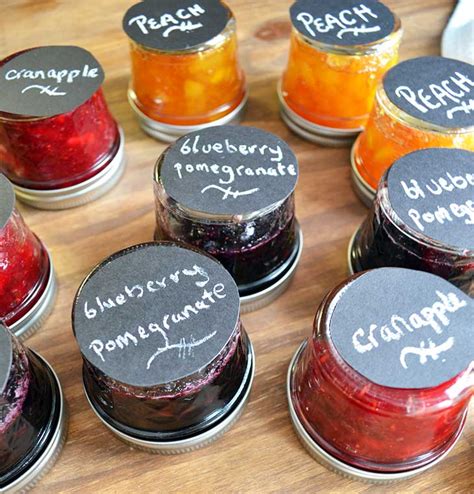
When making preserves, focus on the pectin content of your fruit. If using fruits that have been frozen, they may release more liquid upon thawing, which can affect setting. You might need to adjust the amount of added pectin or increase cooking time to achieve the desired consistency. Acidity is also vital for gelling; always follow tested recipes for the correct balance.
Pickles and Ferments
These recipes are inherently designed for preservation. The key is to maintain proper salt, vinegar, or brine ratios for safety and flavor. For fermented products, temperature and time are critical. Experiment with different spices and herbs to customize flavors, but don’t deviate from tested brine concentrations for safety.
Sauces and Salsas
Frozen tomatoes or peppers can be excellent for sauces and salsas, but they will release more water. Cook them down longer to achieve a thicker consistency, or use a natural thickener like tomato paste. For canned salsas, adhere strictly to tested recipes to ensure the correct pH for safe canning.
Soups and Stews
Frozen vegetables are perfect for soups and stews. Add them directly from frozen, but be mindful that they will cook faster. Canned beans or tomatoes can be added toward the end of cooking. If using dehydrated vegetables, rehydrate them first or add them early in the cooking process to allow them to absorb liquid and soften.
Essential Tools and Techniques for Adapting
Beyond ingredient knowledge, having the right tools and techniques can make all the difference:
- Accurate Scales and Measuring Tools: Precision is important, especially for canning where ratios directly impact safety.
- pH Strips/Meter: Crucial for ensuring adequate acidity in canned goods.
- Pressure Canner/Water Bath Canner: Depending on the food, these are indispensable.
- Freezer-Safe Containers/Bags: To prevent freezer burn and maintain quality.
- Dehydrator: For efficient and uniform drying.
- Blanching Pot: Essential for preparing many vegetables for freezing.
Always follow reputable, tested preservation guidelines (like those from the USDA Extension Office) for food safety, especially when canning.
Tips for Success and Enjoyment
Adapting recipes for preserving your garden’s bounty is a rewarding skill that deepens your connection to your food and extends your harvest. Here are a few final tips:
- Start Small: Don’t try to adapt every recipe at once. Pick one or two favorites and work on perfecting them.
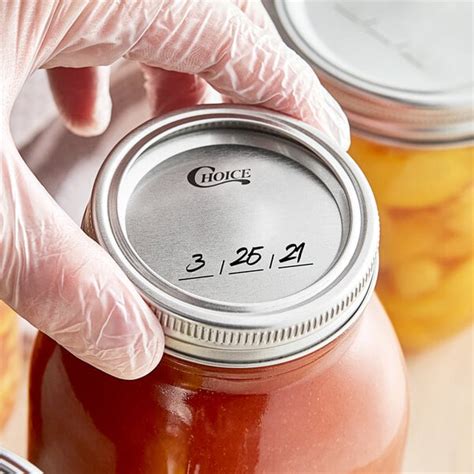
- Keep Detailed Notes: Document your changes, observations, and results. This will be invaluable for future batches.
- Taste as You Go: Regularly taste your creations during the adaptation process (where safe to do so) to make real-time adjustments.
- Embrace Experimentation: Once you understand the fundamental principles, don’t be afraid to tweak flavors, spices, and ingredient combinations.
- Prioritize Safety: Never compromise on food safety. Always follow tested recipes and guidelines for canning, especially concerning pH levels and processing times.
By understanding the nuances of preserved ingredients and applying these adaptation strategies, you can transform your garden’s peak produce into a year-round pantry of delicious possibilities, reducing waste and savoring the true taste of your labor.