How to best preserve a garden tomato glut with a versatile homemade recipe?

The Annual Tomato Abundance and the Quest for Preservation
There’s nothing quite like the feeling of harvesting a bountiful crop of ripe, juicy tomatoes from your garden. The vibrant reds, the sweet aroma, the promise of summer’s best flavors. However, with great abundance comes the delightful challenge of preserving this fleeting goodness. While eating fresh tomatoes straight off the vine is a pure joy, a significant glut requires a more strategic approach. Many gardeners resort to freezing, drying, or canning whole tomatoes, but what if there was a single, versatile homemade recipe that could transform your tomato harvest into a staple you’ll use all year long?
Introducing the Garden-Fresh Tomato Passata: Your Culinary Blank Canvas
The secret to maximizing your tomato glut’s potential lies in creating a foundational product: homemade tomato passata. Unlike a heavily seasoned sauce, a true passata is essentially pureed, strained raw or lightly cooked tomatoes, simmered down to a rich, smooth consistency. Its beauty lies in its simplicity and neutrality, making it the ultimate blank canvas for countless culinary creations. Imagine having a vibrant, intensely flavored tomato base ready for pasta sauces, robust soups, pizza toppings, shakshuka, braises, or even a quick Bloody Mary mix. This one recipe unlocks endless possibilities.
Crafting Your Own Versatile Tomato Passata: A Step-by-Step Guide
Ingredients:
- 5 kg (approximately 11 lbs) ripe garden tomatoes (any variety is fine, but paste tomatoes like Roma yield thicker results)
- 1-2 tablespoons coarse sea salt (to taste and for preservation)
- Optional: A few fresh basil leaves (add towards the end of simmering, if desired for a subtle herby note, but keep it minimal for versatility)
Equipment:
- Large stockpot or Dutch oven
- Food mill or a fine-mesh sieve with a sturdy spoon/spatula
- Sterilized jars and lids (pint or quart size are good) or freezer-safe containers/bags
Instructions:
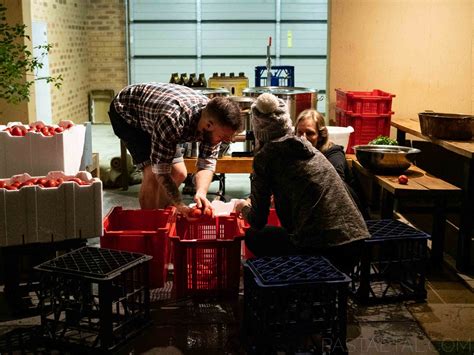
- Prepare the Tomatoes: Wash all your tomatoes thoroughly. Core them and cut them into quarters or eighths, depending on their size. Don’t worry about peeling or deseeding at this stage – the food mill will handle that.
- Slow Simmer: Place the chopped tomatoes in your large stockpot. Add the sea salt. Bring to a gentle simmer over medium heat, then reduce the heat to low. Cover partially and let them cook down for 30-45 minutes, stirring occasionally, until they have softened considerably and released a lot of their liquid.
- Mill for Smoothness: Carefully ladle the cooked tomatoes, in batches, through a food mill fitted with a fine disc. This step separates the skin and seeds from the luscious pulp, giving you that characteristic smooth passata. If you don’t have a food mill, press the tomatoes through a fine-mesh sieve with the back of a sturdy spoon, discarding the solids.
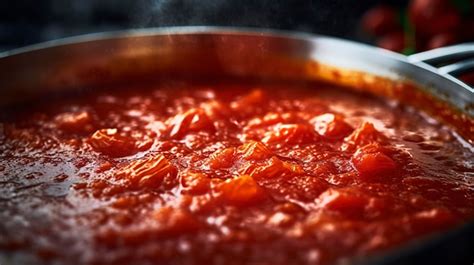
- Reduce and Intensify: Return the smooth tomato pulp to the cleaned stockpot. Bring it back to a gentle simmer over low to medium heat. Cook, uncovered, stirring frequently to prevent sticking, for 1.5 to 3 hours, or until the passata has thickened to your desired consistency. It should be rich and pourable, not watery. If using basil, add it in the last 15-20 minutes of simmering.
- Taste and Adjust: Taste your passata and adjust salt if necessary. Remember, it’s meant to be a base, so don’t over-season.
Preservation Methods for Your Passata
Once your passata is perfectly reduced, it’s time to preserve it for year-round enjoyment.
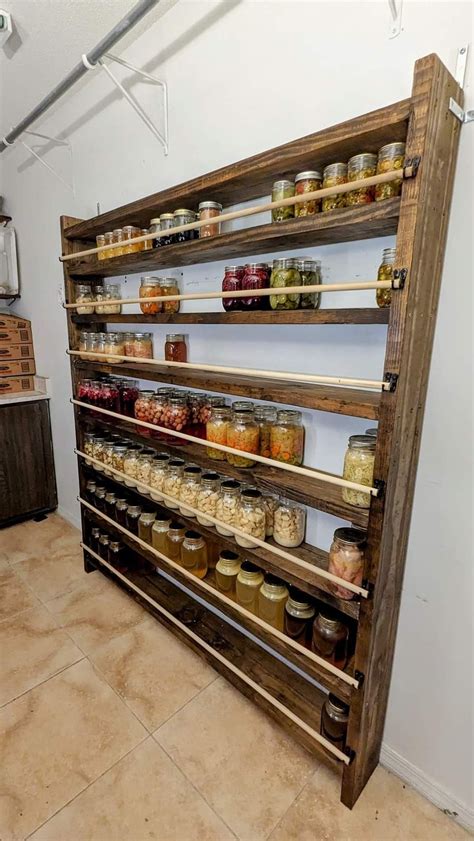
- Canning (Water Bath Method): For shelf-stable storage, ladle the hot passata into hot, sterilized jars, leaving ½ inch headspace. Remove air bubbles, wipe rims, and center lids. Process in a boiling water canner for 35 minutes for pints or 40 minutes for quarts (adjust for altitude). Turn off heat, let sit 5 minutes, then remove jars to cool.
- Freezing: For a simpler method, allow the passata to cool completely. Ladle it into freezer-safe containers, rigid plastic containers, or heavy-duty freezer bags. Leave headspace if using rigid containers. Freeze flat if using bags for easier stacking. Frozen passata can last for up to a year.
Why This Recipe is a Garden Game-Changer
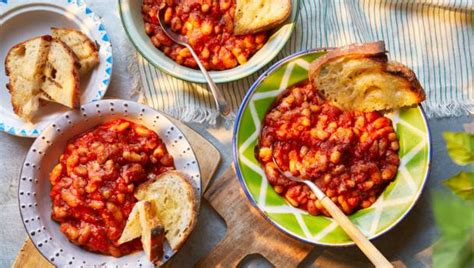
This homemade tomato passata isn’t just a recipe; it’s an investment in your culinary future. It ensures that the unparalleled taste of your fresh garden tomatoes can be savored long after the summer sun has faded. Its neutral yet rich flavor profile allows it to seamlessly integrate into virtually any dish requiring a tomato base, giving you ultimate flexibility and a superior taste experience compared to most store-bought alternatives. Say goodbye to bland winter meals and hello to the vibrant taste of summer, all from your own harvest.
Tips for Success and Creative Variations
- Tomato Variety: While any tomato works, a mix of fleshy paste tomatoes (like Roma) for body and juicier slicing tomatoes for flavor often yields the best passata.
- Flavor Infusion: For a slightly more developed base (though still versatile), you can sauté a chopped onion and a few cloves of garlic in olive oil before adding the tomatoes to the pot. However, for maximum versatility across all dishes, a plain passata is best.
- Storage Size: Consider freezing or canning in varying container sizes (e.g., 1-cup, 2-cup, 4-cup portions) to match your typical recipe needs.
Embrace your garden’s generosity this season and transform your tomato glut into a year-round culinary treasure with this incredibly versatile homemade tomato passata. Your taste buds will thank you!