




How to best preserve excess garden tomatoes for winter without canning?
The bounty of summer often brings with it an overwhelming surplus of ripe, juicy garden tomatoes. While canning is a time-honored tradition for preserving this harvest, it’s not the only way to ensure you have a taste of summer sunshine throughout the cold winter months. For those seeking simpler, less equipment-intensive, or simply different methods, there are several fantastic options that bypass the canning kettle altogether. From quick freezing to slow dehydrating, you can effectively store your tomato abundance without ever needing a pressure canner or water bath.
Freezing: The Versatile and Easiest Solution
Freezing is arguably the simplest and most accessible method for preserving tomatoes without canning. It requires minimal preparation and can be done in various forms, making it incredibly versatile for future use in sauces, stews, chilis, and soups.
Whole or Chopped Tomatoes
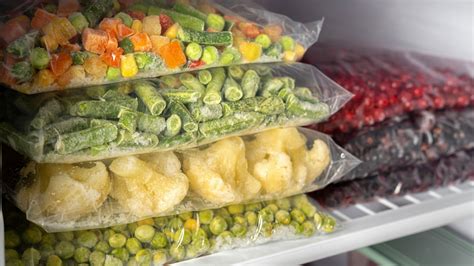
For minimal effort, you can freeze whole tomatoes. Simply wash them, remove the core (optional), and place them on a baking sheet to freeze solid. Once frozen, transfer them to freezer bags, removing as much air as possible. When you’re ready to use them, a quick dip in warm water will make the skins slip right off. For chopped tomatoes, simply dice them and freeze them in portions in freezer bags or containers.
Blanched and Skinned Tomatoes
If you prefer your tomatoes without skins for sauces, blanching is the way to go. Score an ‘X’ on the bottom of each tomato, dip them in boiling water for 30-60 seconds, then immediately transfer to an ice bath. The skins will peel off easily. You can then chop, crush, or puree them and freeze in freezer-safe containers or bags.
Homemade Tomato Puree, Sauce, or Paste
For a head start on winter meals, cook down your tomatoes into a puree, sauce, or even a concentrated paste before freezing. This reduces volume and locks in flavor. Simply simmer peeled and chopped tomatoes until they reach your desired consistency, season lightly (you can always add more later), and then cool completely before freezing in airtight containers, freezer bags, or even ice cube trays for small portions.

Dehydrating: Intense Flavor & Space-Saving
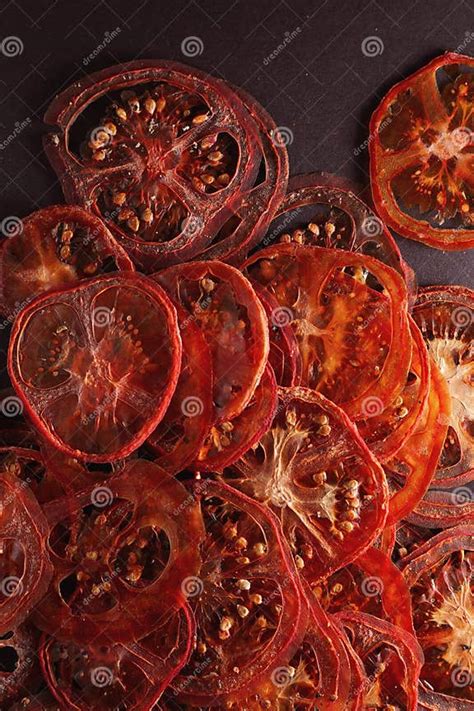
Dehydrating tomatoes concentrates their flavor into a sweet, tangy, and intensely savory treat. Dried tomatoes take up very little space and are perfect for pasta dishes, salads, breads, and more.
Using a Dehydrator
Slice tomatoes (roma or paste tomatoes work best due to lower water content) into 1/4-inch thick pieces. Arrange them in a single layer on dehydrator trays. Dehydrate at 135°F (57°C) for 8-12 hours, or until pliable but not sticky, and brittle when cool. The exact time will vary based on tomato variety, thickness, and humidity.
Oven-Drying (Low and Slow)
If you don’t have a dehydrator, you can use your oven. Slice tomatoes, arrange on parchment-lined baking sheets, and bake at the lowest possible temperature (usually 150-200°F or 65-93°C) with the oven door slightly ajar to allow moisture to escape. This can take anywhere from 6 to 12 hours or more. Flip them occasionally. Once dried, allow them to cool completely before storing.
Storage Tips for Dried Tomatoes
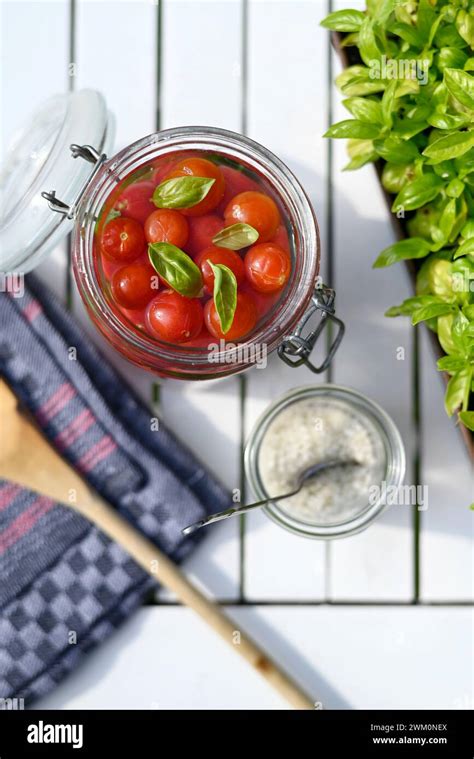
Store dried tomatoes in airtight containers in a cool, dark place for up to a year. For longer storage or an added flavor boost, you can pack them in olive oil with herbs in sterilized jars (store these in the refrigerator to prevent spoilage).
Roasting & Freezing: Deep Umami
Roasting tomatoes before freezing deepens their flavor, creating a rich, umami-packed ingredient perfect for winter sauces and stews. This method also helps reduce their water content, making them less watery when thawed.
The Roasting Process
Halve or quarter your tomatoes and toss them with a little olive oil, salt, pepper, and optional herbs like garlic, oregano, or basil. Spread them in a single layer on a baking sheet. Roast at 375-400°F (190-200°C) for 30-60 minutes, or until softened and slightly caramelized around the edges. Allow them to cool completely.
Freezing Roasted Tomatoes
Once cooled, flash freeze the roasted tomatoes on a baking sheet until solid. Transfer them to freezer bags, pressing out as much air as possible. They will keep well for 6-9 months and can be used directly from frozen in recipes.

Making & Freezing Tomato Sauce or Passata
A step beyond simple pureeing, making a batch of seasoned tomato sauce or passata (strained tomato puree) and freezing it is an excellent way to prepare for future meals. This method allows you to use your preferred seasonings, creating a ready-to-use base.
Preparation Steps
- Wash, core, and roughly chop your tomatoes.
- Simmer them in a large pot with a splash of water, crushing them as they soften.
- Once soft, you can press them through a food mill or sieve to remove seeds and skins for a smooth passata, or simply blend with an immersion blender for a chunkier sauce.
- Return the mixture to the pot and simmer gently, stirring occasionally, until it reaches your desired thickness. Season with salt, pepper, garlic, onions, and herbs as you like.
- Cool the sauce completely before freezing.
Freezing the Sauce
Portion the cooled sauce into freezer-safe containers, heavy-duty freezer bags (lay flat for easy stacking), or even ice cube trays for small amounts. Label with the date and contents. Frozen sauce will maintain its quality for up to a year.

Creative Approaches and Final Tips
- Tomato Powder: Dehydrate tomatoes until crispy, then blend them into a fine powder. Store in an airtight jar and use as a flavor enhancer in soups, stews, or even as a seasoning rub.
- Frozen Salsa: While canning is traditional for salsa, you can make fresh salsa and freeze it in portions. The texture might change slightly upon thawing, but the flavor will still be delicious for cooking.
- Labeling is Key: No matter which method you choose, always label your containers or bags with the contents and the date of preservation.
- Air is the Enemy: When freezing, remove as much air as possible from bags and containers to prevent freezer burn and maintain quality.
Preserving your garden tomatoes for winter doesn’t have to be a daunting task involving complex canning equipment. With these simple, effective, and canning-free methods, you can savor the taste of summer’s bounty throughout the coldest months, straight from your freezer or pantry.