



How to best preserve summer harvest bounty for winter meals?

Embracing the Season’s Abundance for Year-Round Enjoyment
As summer peaks, gardens burst with an incredible array of fresh produce. The vibrant colors and succulent flavors are a fleeting joy, but with proper planning and a few time-honored techniques, you can capture this seasonal bounty to nourish your family throughout the colder months. Preserving your harvest not only ensures a supply of healthy, homegrown ingredients but also connects you deeply with the rhythm of nature and self-sufficiency.
Canning: Jams, Jellies, and Jarred Delights
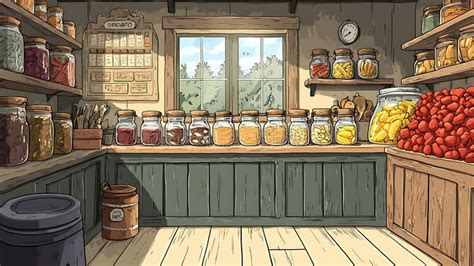
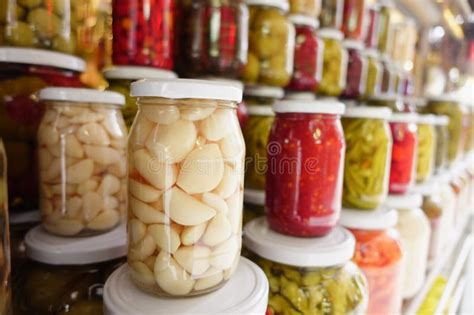
Canning is perhaps the most iconic method of food preservation, turning delicate fruits and vegetables into shelf-stable staples. There are two primary types: water bath canning for high-acid foods (fruits, pickles, jams, tomatoes with added acid) and pressure canning for low-acid foods (most vegetables, meats, soups). Water bath canning is simpler, submerging sealed jars in boiling water to create a vacuum seal. Pressure canning, on the other hand, uses higher temperatures to safely preserve low-acid items, requiring a specialized pressure canner.
Always ensure your jars and lids are properly sterilized, and follow tested recipes precisely to guarantee safety and quality. From sweet fruit preserves to tangy pickled beans and diced tomatoes, canning offers endless possibilities for savory and sweet additions to your winter pantry.
Freezing: Capturing Peak Freshness
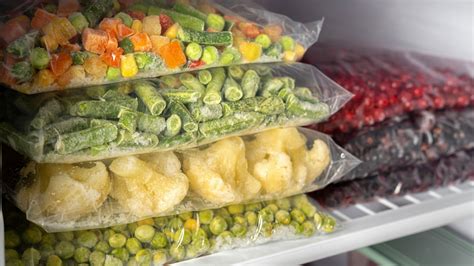
Freezing is arguably the easiest and quickest way to preserve most fruits and vegetables while retaining much of their original flavor, color, and nutritional value. For many vegetables, blanching (briefly boiling then rapidly cooling in ice water) before freezing is crucial to halt enzyme action, preventing texture and flavor degradation over time. Berries, peaches, and other fruits can often be frozen whole or sliced on baking sheets before being transferred to freezer bags to prevent clumping.
Beyond whole produce, consider freezing purees, sauces, and even complete meals like chili or lasagna. Invest in good quality freezer bags or containers, remove as much air as possible to prevent freezer burn, and label everything clearly with contents and date.

Dehydrating: Concentrated Flavors and Compact Storage
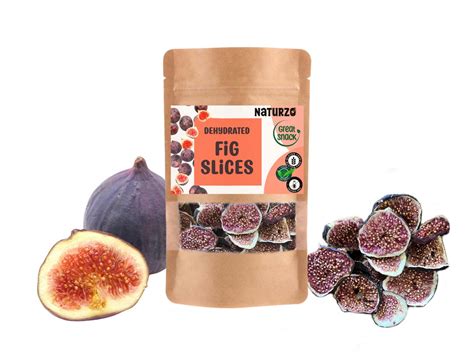
Dehydration removes moisture from food, inhibiting microbial growth and concentrating flavors. This method is excellent for fruits (apples, apricots, berries), vegetables (tomatoes, corn, kale), and herbs. A food dehydrator provides controlled heat and airflow, but a low oven or even sun drying (in appropriate climates) can also work. Dehydrated foods are lightweight and take up minimal storage space, making them ideal for snacks, trail mixes, and adding intense flavor to soups and stews.
Ensure foods are sliced uniformly for even drying and are completely dry before storage to prevent mold. Store in airtight containers in a cool, dark place.
Root Cellaring and Cold Storage: Nature’s Refrigerator
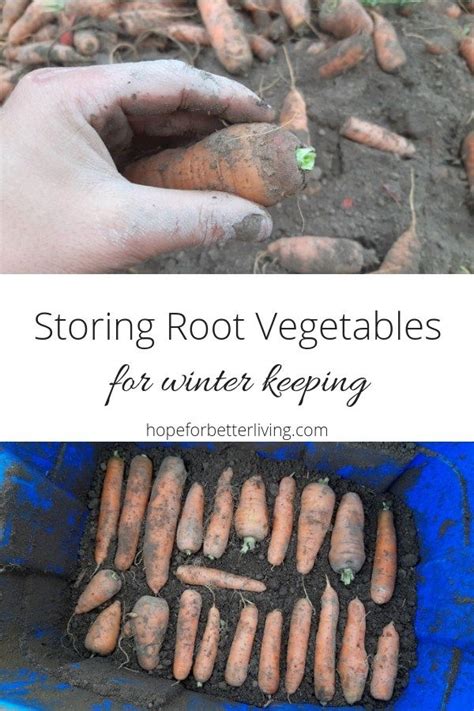
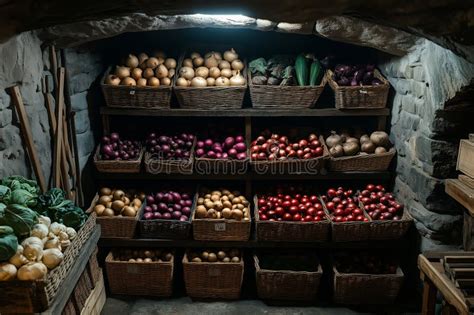
For certain sturdy crops, a traditional root cellar or even a cool, dark basement can provide ideal long-term storage without any processing. Root vegetables like potatoes, carrots, beets, and parsnips, along with winter squash, onions, and apples, thrive in cool, humid conditions. Proper ventilation and consistent temperature (ideally 35-50°F or 2-10°C) are key to preventing spoilage and sprouting.
Ensure produce is clean but not washed (to preserve its natural protective layer) and free of blemishes. Store in breathable containers like wooden crates or burlap sacks, allowing for good air circulation around each item.
Fermentation: Probiotic-Rich Preservation
Fermentation is an ancient preservation technique that not only extends shelf life but also creates delicious, probiotic-rich foods. Sauerkraut, kimchi, and lacto-fermented pickles are popular examples. This method involves allowing beneficial bacteria to convert sugars into lactic acid, which preserves the food and imparts unique tangy flavors and health benefits. It’s a relatively simple process, often requiring just salt, vegetables, water, and a jar.
Key Tips for Successful Preservation
- Start with Quality: Only preserve fruits and vegetables that are at their peak freshness and free from blemishes.
- Cleanliness is Crucial: Sterilize all equipment, jars, and tools to prevent contamination.
- Follow Tested Recipes: Especially for canning, always use recipes from reliable sources (like university extensions) to ensure food safety.
- Label Everything: Include the contents and date of preservation. This helps with inventory and ensures you use older items first.
- Store Properly: Keep preserved goods in a cool, dark, dry place away from direct sunlight and extreme temperatures.
By investing a little time and effort during the summer harvest, you can enjoy the delicious, healthy rewards of your garden long after the last frost. There’s immense satisfaction in opening a jar of homemade salsa or pulling a bag of frozen berries from the freezer on a cold winter day, knowing you’ve captured summer’s essence for your table.