



How to best preserve your garden harvest using simple homemade recipes?

Introduction: Savoring Your Garden’s Bounty Year-Round
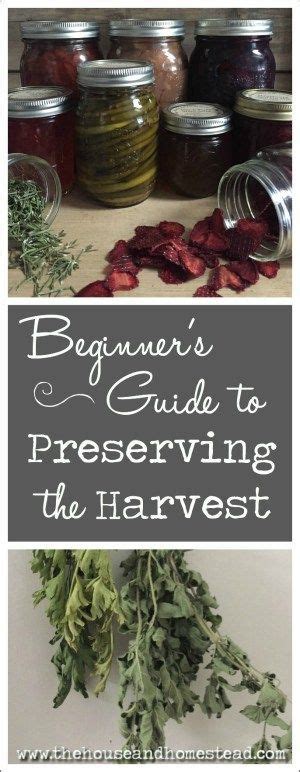
There’s nothing quite like the satisfaction of harvesting fresh produce from your own garden. The vibrant colors, the earthy aromas, and the unparalleled taste are rewards in themselves. However, a bountiful harvest often presents a delightful dilemma: how to enjoy all that goodness before it spoils? The answer lies in the age-old art of food preservation. With a few simple homemade recipes and techniques, you can extend the life of your garden’s treasures, enjoying their peak flavor long after the growing season ends.

Why Embrace Homemade Preservation?
Preserving your harvest at home offers numerous benefits beyond just preventing waste. It allows you to control the ingredients, avoiding artificial additives and excessive sugars or salts often found in store-bought alternatives. It’s also a deeply satisfying, sustainable practice that connects you more intimately with your food and the seasons. Imagine enjoying homemade tomato sauce in winter made from sun-ripened summer tomatoes, or a jar of berry jam that captures the essence of spring.
Essential Methods for Home Garden Preservation
While various complex methods exist, many simple and effective techniques are perfect for the home gardener. Here are some of the most accessible ways to preserve your produce, along with quick recipe ideas.
1. Water Bath Canning: Jams, Jellies & Pickles
Water bath canning is ideal for high-acid foods like fruits, pickled vegetables, and tomato products. It creates an airtight seal that prevents spoilage, allowing for shelf-stable storage without refrigeration.
Simple Berry Jam Recipe:
- Ingredients: 4 cups crushed berries (strawberries, raspberries, blueberries), 4 cups granulated sugar, 2 tablespoons lemon juice.
- Instructions: Combine berries and lemon juice in a large pot. Bring to a boil, then add sugar, stirring until dissolved. Boil rapidly, stirring constantly, until the jam reaches its setting point (about 218-220°F or when a spoon dipped in jam drips in a thick sheet). Ladle hot jam into sterilized canning jars, leaving ¼ inch headspace. Process in a boiling water bath for 10 minutes.
Quick Pickled Cucumbers:
- Ingredients: 2 lbs pickling cucumbers, thinly sliced; 2 cups white vinegar; 2 cups water; 2 tablespoons pickling salt; 1 tablespoon sugar; optional: garlic cloves, dill sprigs, mustard seeds.
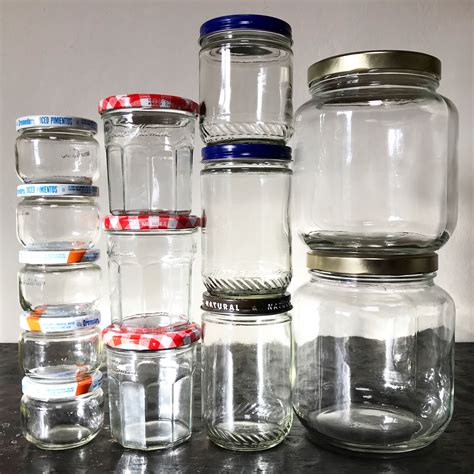
- Instructions: Pack cucumber slices tightly into sterilized pint jars. In a saucepan, combine vinegar, water, salt, and sugar. Bring to a boil, stirring until salt and sugar dissolve. Pour hot brine over cucumbers, ensuring they are fully submerged. Add optional spices to each jar. Seal with new lids and rings. These pickles are usually ready to eat after 24 hours and can be stored in the refrigerator for several weeks or water bath processed for longer shelf life.
2. Freezing: Vegetables & Fruits Made Easy
Freezing is perhaps the simplest preservation method for many fruits and vegetables, often retaining more nutrients than other methods. Blanching vegetables before freezing helps to preserve their color, flavor, and texture by halting enzyme activity.
Freezing Blanching Method for Vegetables (e.g., Green Beans):
- Instructions: Wash and trim green beans. Bring a large pot of water to a rolling boil. Add beans and blanch for 3 minutes. Immediately transfer beans to an ice bath to stop the cooking process. Drain thoroughly, pat dry, and spread in a single layer on a baking sheet to flash freeze for an hour or two. Transfer frozen beans to freezer-safe bags or containers, removing as much air as possible.

Freezing Berries & Fruit Purees:
- Instructions: Wash and thoroughly dry berries. Spread them in a single layer on a baking sheet and freeze until solid. Transfer to freezer bags. For fruit purees (like peach or apple), cook fruit until soft, mash or blend, and freeze in ice cube trays or freezer-safe containers for later use in smoothies or sauces.
3. Drying: Herbs & Tomatoes
Drying removes moisture, preventing microbial growth and extending shelf life. It’s fantastic for herbs, small fruits, and certain vegetables.
Air-Drying Herbs:
- Instructions: Gather bunches of fresh herbs (e.g., basil, oregano, thyme). Tie them loosely at the stems and hang them upside down in a warm, dry, well-ventilated area away from direct sunlight. Once completely brittle, strip leaves from stems and store in airtight containers.

Oven-Drying Tomatoes (or Sun-Drying):
- Instructions: Halve small tomatoes or quarter larger ones. Place cut-side up on a baking sheet lined with parchment paper. Sprinkle lightly with salt. Dry in an oven set to its lowest temperature (around 175-200°F or 80-95°C) with the door slightly ajar to allow moisture to escape, for several hours until leathery and pliable but not brittle. Store in olive oil in the refrigerator or in airtight containers.
Tips for Successful Preservation
- Start with Fresh Produce: Always use the freshest, highest quality produce for the best results.
- Sanitation is Key: Ensure all equipment, jars, and lids are clean and properly sterilized when required, especially for canning.
- Follow Recipes Precisely: Especially for canning, altering ingredient ratios can affect safety and shelf stability.
- Proper Storage: Store preserved foods in a cool, dark, dry place.

Conclusion: Enjoy Your Garden’s Generosity All Year
Embracing homemade preservation transforms your garden harvest from a fleeting pleasure into a year-round delight. By learning a few simple techniques like canning, freezing, and drying, you not only reduce food waste but also provide your family with nutritious, delicious food free from unnecessary additives. So, roll up your sleeves, gather your garden’s bounty, and start preserving the flavors of the season!