




How to best utilize garden produce gluts in nourishing homemade recipes?

The satisfaction of a thriving garden often comes with a delightful challenge: an overwhelming bounty of fresh produce. While a glut can seem daunting, it’s a golden opportunity to get creative in the kitchen, nourishing your family with wholesome, homemade meals and preserving the taste of summer for months to come. Instead of letting that abundance go to waste, let’s explore the best ways to transform your garden’s generosity into culinary masterpieces.
Embrace the Power of Preservation
One of the most effective strategies for managing a produce glut is through preservation. This not only extends the shelf life of your harvest but also locks in nutrients and flavors. Consider these methods:
- Freezing: Ideal for berries, corn, peas, blanched greens, and chopped peppers. Most vegetables should be blanched first to maintain texture and color. Pureed fruits and vegetables (like pumpkin or tomato sauce) also freeze beautifully.
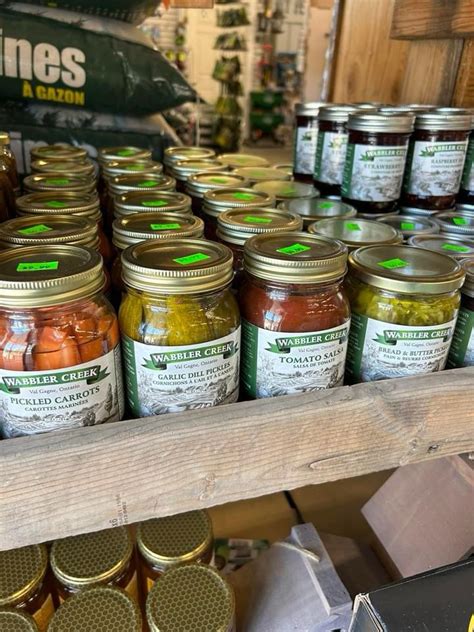
- Canning: A traditional method perfect for tomatoes, pickles, jams, and fruit butters. Water bath canning is suitable for high-acid foods, while pressure canning is required for low-acid vegetables.
- Drying/Dehydrating: Excellent for herbs, sliced fruits (apples, pears, bananas), and even some vegetables like tomatoes or mushrooms. Dried produce makes for great snacks or additions to stews and soups.
Innovative Recipes for Common Garden Gluts
Every garden has its superstars that tend to produce in spades. Here are ideas for turning typical gluts into delicious dishes:
Zucchini and Summer Squash: The Versatile Workhorse
Zucchini seems to multiply overnight! Beyond the classic zucchini bread, try:
- Zucchini Fritters: Grated zucchini mixed with flour, egg, and herbs, fried until golden.
- Stuffed Zucchini Boats: Halved zucchini filled with a savory mixture of ground meat, rice, and herbs, baked until tender.
- Zucchini Noodles (Zoodles): A healthy pasta alternative, great with pesto or marinara.
- Zucchini Relish or Pickles: A tangy condiment for sandwiches and grilled meats.
Tomatoes: The Sun-Kissed Sweethearts
From cherry to beefsteak, tomatoes are a summer staple. When you have too many:
- Homemade Tomato Sauce/Passata: Cooked down tomatoes, pureed and seasoned, then canned or frozen.
- Roasted Tomatoes: Halved tomatoes tossed with olive oil, garlic, and herbs, roasted until caramelized. Perfect for pastas, pizzas, or as a side dish.
- Salsa: Fresh pico de gallo or cooked salsa, fantastic for dipping or topping.
- Sun-Dried Tomatoes (Dehydrated): Intensify their flavor for use in salads, pasta, or bread.
Berries and Stone Fruits: Sweet Abundance
Strawberries, raspberries, blueberries, peaches, and plums are a delight. Turn them into:
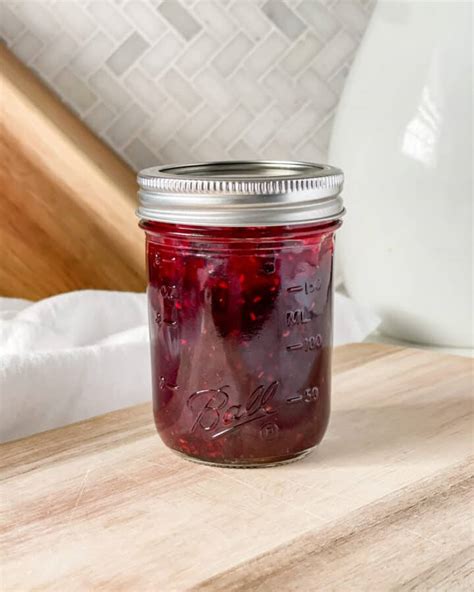
- Jams and Jellies: Classic way to preserve their sweetness.
- Fruit Crumble or Cobbler: Easy desserts that use a lot of fruit.
- Smoothie Packs: Freeze individual portions of mixed berries for quick breakfasts.
- Fruit Leather: Pureed fruit spread thinly and dehydrated. A healthy snack!
Leafy Greens and Herbs: Green Gold
Spinach, kale, basil, parsley – these can quickly overwhelm. Don’t let them wilt!
- Pesto: Blend basil, spinach, or kale with nuts, garlic, cheese, and olive oil. Freeze in ice cube trays for later.
- Green Smoothies: Blend large quantities of greens into nutritious drinks.
- Herb Butters: Chop fresh herbs and mix into softened butter, then roll into logs and freeze.
- Soups and Stews: Wilt down large amounts of greens into hearty soups.
Smart Strategies for Culinary Creativity
Beyond specific recipes, adopt broader strategies to handle your garden’s generosity:
- Batch Cooking: Dedicate a day to processing large quantities of produce into base components like roasted vegetables, sauces, or chopped mirepoix mixes.
- Meal Prepping: Incorporate your fresh produce directly into your weekly meal plan, building meals around what you have in abundance.
- Sharing is Caring: If you truly have more than you can handle, share with neighbors, friends, or local food banks. This spreads the joy and prevents waste.
- Experiment with Fermentation: Try making sauerkraut, kimchi, or lacto-fermented pickles for unique flavors and gut health benefits.

Conclusion
A garden glut is not a problem; it’s an invitation to culinary adventure and mindful eating. By embracing preservation techniques, exploring versatile recipes, and adopting smart kitchen strategies, you can transform your harvest into a continuous source of nourishing, homemade delights. Enjoy the fruits (and vegetables!) of your labor all year long, savoring the taste of your garden’s success.