How to build a beginner-friendly compost pile for rich garden soil?

Unlock Your Garden’s Potential with a Simple Compost Pile
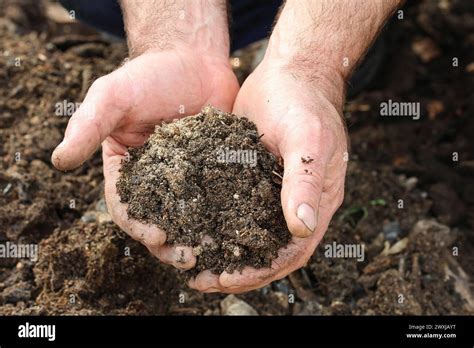
Creating your own compost is one of the most rewarding and sustainable practices for any gardener. Not only does it divert organic waste from landfills, but it also transforms kitchen scraps and yard trimmings into a nutrient-dense, dark, crumbly material known as ‘black gold.’ This homemade amendment dramatically improves soil structure, water retention, and provides essential nutrients, leading to healthier, more vibrant plants. The good news? Building a beginner-friendly compost pile is far simpler than you might imagine.
Choosing the Perfect Spot for Your Compost
The first step to successful composting is selecting an ideal location. Look for a spot that is:
- Shady: This helps retain moisture and prevents the pile from drying out too quickly.
- Well-drained: You don’t want your pile sitting in standing water.
- Accessible: Easy to reach with kitchen scraps and garden waste, and convenient for turning and harvesting.
- Near your garden: Reduces the effort of transporting finished compost.
Consider a space that’s at least 3×3 feet to allow for adequate volume and aeration, which are crucial for the decomposition process.

Gathering Your Materials: The Greens and Browns Balance
Composting relies on a healthy balance of ‘greens’ (nitrogen-rich materials) and ‘browns’ (carbon-rich materials). Aim for roughly a 2:1 or 3:1 ratio of browns to greens by volume for optimal decomposition.
Greens (Nitrogen-Rich):
- Fruit and vegetable scraps
- Grass clippings
- Coffee grounds and tea bags
- Spent flowers and garden plant trimmings (non-diseased)
Browns (Carbon-Rich):
- Dry leaves
- Shredded newspaper or cardboard
- Small twigs and wood chips
- Sawdust (untreated wood only)
What to Avoid: Steer clear of meat, dairy products, oily foods, pet waste, diseased plants, and chemically treated wood, as these can attract pests, create foul odors, or introduce harmful pathogens.
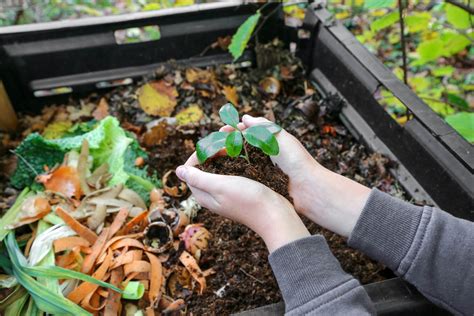
Building Your First Compost Pile: The Layering Method
Think of building your compost pile like making a lasagna. Start by creating a foundation to ensure good airflow and drainage.
- Base Layer: Begin with a 4-6 inch layer of coarse brown material like twigs or straw. This provides critical aeration.
- Brown Layer: Add a 6-8 inch layer of other dry brown materials (leaves, shredded paper).
- Green Layer: Top with a 3-4 inch layer of green materials (food scraps, grass clippings).
- Moisture: Lightly water each green layer until it’s damp, like a wrung-out sponge. Avoid over-saturating.
- Repeat: Continue layering browns, greens, and a sprinkle of water until your pile reaches at least 3 feet high. A final top layer of browns helps deter pests and retain moisture.
Maintaining Your Compost Pile for Speed and Health
Once built, your compost pile requires a little attention to thrive:
- Keep it Moist: Check the moisture level regularly. If it feels dry, add water. If it’s too wet, add more dry browns.
- Turn It: Aeration is key! Turn your pile with a pitchfork every 1-2 weeks. This introduces oxygen, which fuels the microbes, prevents odors, and speeds up decomposition. The center of the pile should feel warm.
- Add More Material: As you generate more kitchen and yard waste, continue to add layers, maintaining the greens-to-browns ratio.
When is Your Compost Ready? Harvesting Black Gold
The decomposition process can take anywhere from 2 months to a year, depending on the materials, temperature, and how often you turn it. You’ll know your compost is ready when it:
- Is dark brown or black.
- Has a rich, earthy smell.
- Is crumbly in texture, with no recognizable original materials (except perhaps some stubborn twigs).
- Has cooled down and no longer generates heat.
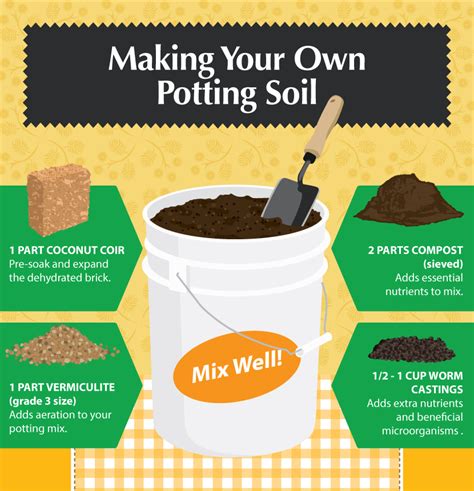
Once ready, you can spread your finished compost liberally over your garden beds, mix it into potting soil, or use it as a nourishing top dressing for plants. Enjoy the fruits (and vegetables!) of your labor as your garden flourishes with this homemade, organic superfood.
Start Composting Today!
Building a beginner-friendly compost pile is an accessible and impactful way to contribute to a healthier environment and a more productive garden. With just a few simple steps and a commitment to balancing your greens and browns, you’ll soon be enjoying the many benefits of your own nutrient-rich, ‘black gold.’ Happy composting!