

How to build a durable, rot-resistant raised garden bed for country living?

For those embracing the serene rhythms of country living, a well-built raised garden bed is more than just a planter – it’s an investment in sustainable food production and a testament to self-sufficiency. Unlike city gardens, rural settings often present unique challenges: tougher soils, more persistent pests, and greater exposure to harsh weather. Building a raised bed that stands the test of time, resisting rot and decay, is paramount. This guide will walk you through constructing a robust, long-lasting raised garden bed designed to thrive in your country landscape for years to come.
Selecting Rot-Resistant Materials
The foundation of a durable raised bed lies in its materials. Not all wood is created equal when it comes to battling moisture and decomposition. For country living, where your garden will endure all seasons, choosing materials known for their longevity is crucial.
Wood Choices: Natural Resistance is Key
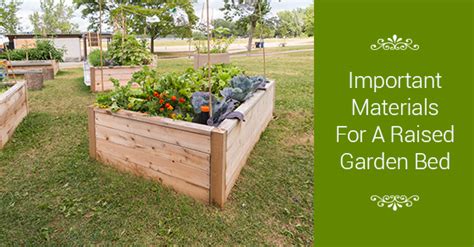
- Cedar and Redwood: These are the gold standard for naturally rot-resistant wood. Their inherent oils and compounds deter insects and decay. While an initial investment, their lifespan significantly outweighs cheaper, less durable options.
- Black Locust: An incredibly hard and durable hardwood, black locust is naturally resistant to rot and insects, making it an excellent, long-lasting choice if available locally.
- Other Options: Though less common, white oak, juniper, and cypress also offer good decay resistance.
Non-Wood Alternatives for Ultimate Durability
If wood isn’t your preference, several non-wood materials offer superior rot resistance and virtually maintenance-free performance.
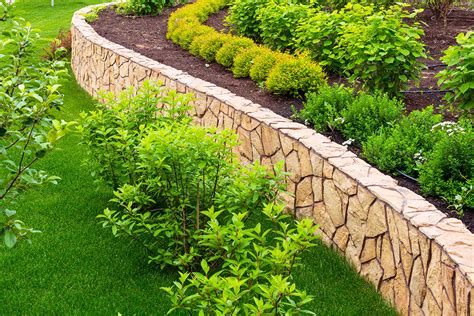
- Stone or Concrete Blocks: These provide exceptional durability and a classic aesthetic. They are heavy, labor-intensive to install, but offer a permanent solution.
- Corrugated Metal: Galvanized or coated steel panels are increasingly popular for their modern look, durability, and pest resistance. They are relatively lightweight and easy to assemble.
- Recycled Plastic/Composite Lumber: Made from recycled plastics, these boards won’t rot, splinter, or require sealing. They are an eco-friendly choice and offer excellent longevity.
Building a Solid Foundation and Structure
A durable raised bed requires more than just good materials; it needs a solid construction methodology from the ground up to prevent sagging, shifting, and premature decay.
Leveling and Pest Control
Before assembling your bed, prepare the site. Clear the area of weeds, then level the ground thoroughly. A level base prevents stress on the joints and ensures even water distribution. To deter burrowing pests like voles and gophers, consider laying a layer of hardware cloth (1/4-inch or 1/2-inch mesh) at the bottom of the bed, extending up the sides slightly before adding soil.
Sturdy Joinery and Fasteners
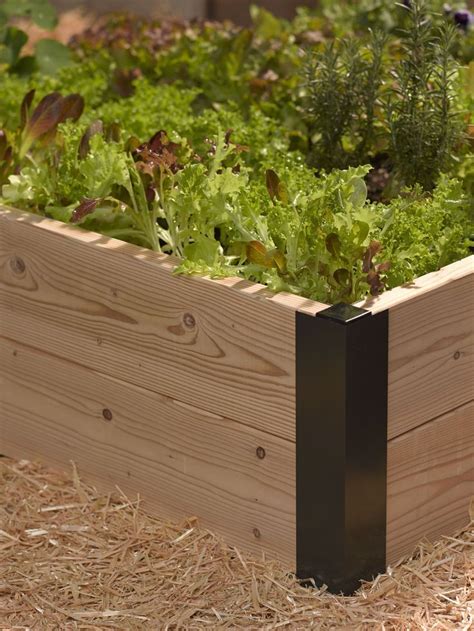
For wooden beds, robust joinery is essential. Overlapping corners (lap joints) or using internal corner bracing will provide significantly more strength than simple butt joints. Use high-quality fasteners designed for outdoor use:
- Stainless Steel Screws: The best choice for their ultimate corrosion resistance, especially with cedar or redwood which can react with other metals.
- Galvanized Screws or Bolts: A more economical option, hot-dip galvanized fasteners offer good corrosion resistance.
Implementing Internal Barriers and Drainage
Even with rot-resistant materials, an internal barrier can further extend the life of your wooden raised bed by separating the wood from constant damp soil, and proper drainage is critical for plant health and bed longevity.
Lining for Protection
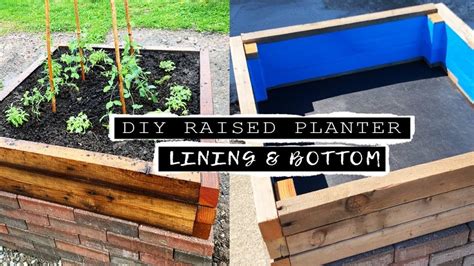
Consider lining the interior sides of wooden beds with a durable, non-toxic material. Heavy-duty pond liner or thick, food-grade plastic sheeting works well. Staple it to the inside of the walls, allowing it to extend slightly above the soil line and fold over the top edge to protect the top board. Puncture a few holes in the bottom of the liner (if it covers the bottom) to ensure adequate drainage, especially if you didn’t use hardware cloth.
Ensuring Excellent Drainage
Good drainage is crucial to prevent waterlogging and promote root health. If your bed directly contacts the soil, the natural subsoil drainage will play a role. However, if you’ve completely lined the bottom or built on an impermeable surface, you’ll need to create drainage. A 4-6 inch layer of coarse gravel or small rocks at the very bottom of the bed, beneath your soil layers, can significantly improve drainage, especially in areas with heavy clay soil. Ensure any lining material has sufficient drainage holes.
Filling and Maintaining Your Durable Bed
Once constructed, properly filling and regularly maintaining your raised bed will maximize its lifespan and productivity.
Layering for Success
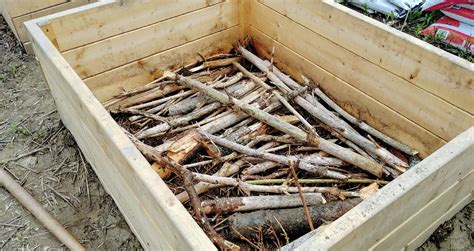
Fill your raised bed using the “Hugelkultur” method or similar layering techniques. Start with larger organic matter like logs, branches, and leaves at the bottom, followed by straw, compost, and finally a high-quality topsoil mix. This layering provides excellent drainage, slow-release nutrients, and improves soil structure, further supporting the bed’s long-term health by preventing compaction.
Ongoing Maintenance for Longevity
- Inspect Annually: Check for loose fasteners, signs of wear, or areas where the lining might be compromised. Address small issues before they become major problems.
- Keep Soil Moist, Not Saturated: While raised beds drain well, consistent overwatering can still promote decay in wooden structures.
- Clean Exterior: Keep soil and debris away from the exterior base of wooden beds to prevent constant moisture contact.
Conclusion
Building a durable, rot-resistant raised garden bed for your country property is a rewarding DIY project that pays dividends in bountiful harvests and reduced maintenance over many years. By carefully selecting high-quality materials, employing robust construction techniques, and ensuring proper drainage and protection, you’ll create a resilient gardening space that truly becomes an enduring asset to your rural lifestyle. Embrace the challenge, enjoy the process, and look forward to a garden that stands strong season after season.