How to build a simple, sturdy DIY raised garden bed for organic vegetables?

Why Build a Raised Garden Bed for Organic Vegetables?
Raised garden beds offer numerous advantages, especially when it comes to growing organic vegetables. They provide better drainage, prevent soil compaction, extend the growing season, and significantly reduce weed growth, making gardening more manageable and productive. For organic growers, raised beds allow for precise control over soil composition, ensuring your plants thrive in nutrient-rich, chemical-free environments from the start. Building your own also offers the satisfaction of a personalized, cost-effective solution tailored to your space.

Gather Your Materials and Tools
Before you begin, ensure you have all the necessary items. For a standard 4×8 foot raised bed with 10-12 inch walls, here’s what you’ll typically need:
Materials:
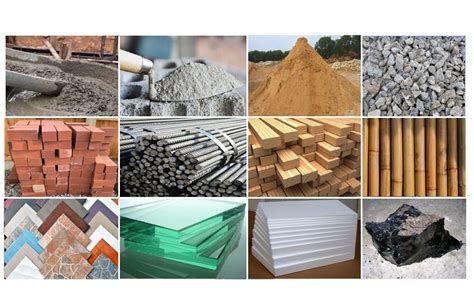
- Lumber: Four 2×10 or 2×12 boards, 8 feet long (for the long sides), and two 2×10 or 2×12 boards, 4 feet long (for the short sides). Cedar, redwood, or untreated pine are excellent, long-lasting choices.
- Corner Brackets/Posts: Four 2×2 or 4×4 posts, 10-12 inches long (to secure corners internally).
- Screws: 3-inch exterior-grade wood screws (e.g., deck screws).
- Weed Barrier Fabric: A roll large enough to cover the bottom of your bed (optional, but highly recommended).
- Staples/Staple Gun: For attaching the weed barrier.
- Soil Mix: Approximately 16-20 cubic feet of high-quality organic soil, compost, and other amendments.
Tools:
- Measuring Tape
- Pencil
- Circular Saw or Hand Saw
- Drill/Driver with appropriate bits
- Level
- Square
- Shovel and Rake
Step-by-Step Construction Guide
1. Plan Your Location and Dimensions
Choose a level spot in your yard that receives at least 6-8 hours of direct sunlight daily for most vegetables. Clear the area of any debris or turf. While this guide assumes a 4×8 foot bed, feel free to adjust dimensions to fit your space.
2. Measure and Cut Your Lumber (if necessary)
If your lumber isn’t already cut to size, use your measuring tape and saw to cut the boards. Ensure all cuts are straight and precise for a sturdy build. You’ll need two 8-foot boards and two 4-foot boards for the frame, plus four corner posts.
3. Assemble the Frame
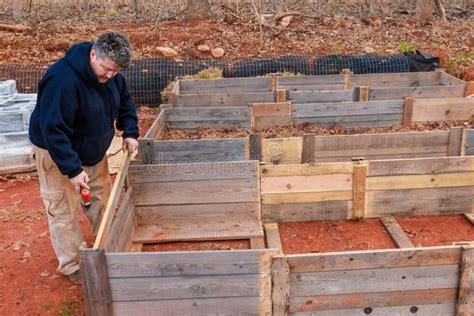
Lay out your boards to form a rectangle. Place an 8-foot board and a 4-foot board at a right angle. Position one of your corner posts flush inside the corner, securing both boards to it with at least three screws per side, driving them through the outer boards into the post. Repeat this process for all four corners until your rectangular frame is complete. Ensure the frame is level and square before tightening all screws.
4. Add a Weed Barrier (Optional but Recommended)
Once the frame is assembled, line the bottom of the bed with weed barrier fabric. This prevents weeds and grass from growing up into your vegetables while allowing water to drain. Overlap the fabric edges and secure it to the inside bottom edges of the wooden frame using a staple gun. You can also add hardware cloth at this stage if you have issues with burrowing pests like gophers.
5. Fill with Quality Organic Soil
This is crucial for organic gardening. Don’t just use garden soil; fill your raised bed with a layered mix. Start with a base of cardboard (if you didn’t use a weed barrier) or untreated wood scraps (small branches, logs) at the very bottom to aid drainage and decomposition. Then, layer with a mix of high-quality organic topsoil, compost, peat moss or coco coir, and perlite or vermiculite. Aim for a mix that is rich in organic matter, well-draining, and retains moisture. Fill the bed to about 1-2 inches from the top.

6. Plant Your Organic Vegetables
Now comes the fun part! Plan your planting layout, considering sunlight requirements and companion planting principles. Gently transplant seedlings or sow seeds according to package directions. Water thoroughly after planting.
Tips for Thriving Organic Vegetables
- Watering: Raised beds dry out faster than in-ground gardens. Check soil moisture daily and water deeply when the top inch or two feels dry. Drip irrigation or soaker hoses can be very efficient.
- Mulching: Apply a layer of organic mulch (straw, shredded leaves, wood chips) around your plants. This helps retain moisture, suppress weeds, and regulate soil temperature.
- Pest Control: Practice organic pest control methods like hand-picking pests, introducing beneficial insects, using insecticidal soaps, or planting pest-repelling companion plants.
- Fertilizing: Supplement your rich soil with organic fertilizers as needed, such as compost tea, worm castings, or slow-release granular organic fertilizers, throughout the growing season.
- Crop Rotation: Rotate your crops annually to prevent nutrient depletion and reduce pest and disease buildup.

Conclusion
Building a simple, sturdy DIY raised garden bed is a rewarding project that pays dividends in fresh, organic produce. With a little planning and effort, you’ll create a flourishing garden space that enhances your landscape and provides healthy food for years to come. Enjoy the process of growing your own delicious, organic vegetables!