


How to build a sturdy, critter-proof chicken coop for backyard layers?
The Importance of a Secure Chicken Coop
For any backyard chicken keeper, providing a safe and comfortable home for your flock is paramount. A well-built coop not only offers shelter from the elements but, crucially, protects your precious layers from a host of potential predators – from raccoons and foxes to rats and hawks. Building a sturdy, critter-proof coop yourself allows for customization, ensuring it meets both your flock’s needs and your local environmental challenges.
This guide will walk you through the essential steps, materials, and design considerations to construct a resilient fortress for your hens, giving you peace of mind and your chickens a secure sanctuary.
Essential Design Considerations
Space, Ventilation, and Comfort
Before lifting a hammer, thoughtful planning is key. Consider the number of chickens you plan to keep; a good rule of thumb is 2-4 square feet per bird inside the coop and 8-10 square feet per bird in the outdoor run. Ensure adequate ventilation to prevent respiratory issues, but place vents strategically high up to prevent drafts directly on roosting birds.
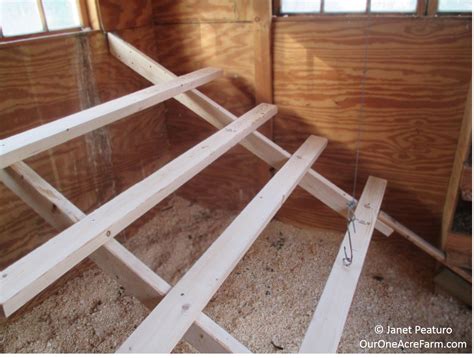
Include roosting bars, positioned higher than nesting boxes, to satisfy their natural instinct to perch. Provide at least one nesting box for every 3-4 hens (12x12x12 inches is a good size), placed in a dark, quiet area within the coop. Easy access for egg collection from outside the coop is a significant convenience.
Predator Prevention at the Design Stage
Critter-proofing starts with the blueprint. Think like a predator: where are the weak points? Design features should include a solid floor, walls with no gaps, and a roof that prevents climbing or chewing through. Doors and windows must fit snugly and have secure locking mechanisms. The outdoor run needs to be fully enclosed, including an overhead cover, to deter aerial predators and climbing mammals.
Choosing the Right Materials
The longevity and security of your coop depend heavily on the materials you select:
- Framing: Pressure-treated lumber (2x4s or 4x4s) for the base and frame resists rot and insects.
- Walls: Exterior-grade plywood (CDX or similar), T1-11 siding, or reclaimed wood planks can work. Ensure surfaces are smooth to prevent splinters.
- Roofing: Plywood sheeting covered with asphalt shingles, metal roofing, or corrugated plastic provides excellent weather protection.
- Flooring: Plywood or OSB covered with a layer of vinyl flooring or linoleum makes for easy cleaning and provides an extra barrier against rodents.
- Hardware Cloth: This is your primary critter deterrent. Opt for 1/2-inch or 1/4-inch galvanized hardware cloth, which is superior to chicken wire (chicken wire only keeps chickens in, not predators out).
- Fasteners: Use galvanized screws and heavy-duty hinges and latches.
Step-by-Step Construction Guide
1. The Foundation and Framing
Start with a level base. You can use concrete blocks, skids, or even pour a small concrete slab for the foundation. Construct the floor frame, then attach your chosen flooring material. Next, build the wall frames, ensuring they are plumb and square. Securely fasten the wall frames to the floor frame.
2. Flooring, Walls, and Roof
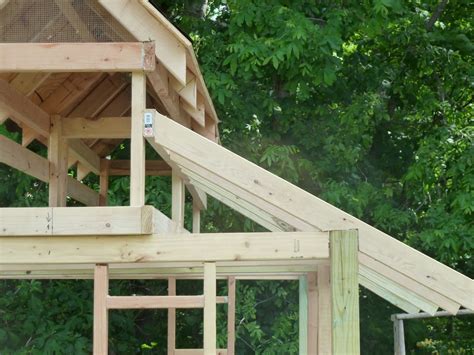
Install your chosen flooring material inside the coop if you opted for a layered approach. Attach the exterior siding to the wall frames, ensuring tight seams. Construct the roof frame with an appropriate pitch for water runoff. Sheath the roof with plywood and then apply your chosen roofing material.
3. Interior Fixtures and Ventilation
Install roosting bars made from sturdy wood (2×2 or 2×4 with rounded edges). Build and mount your nesting boxes, ensuring they are easily accessible for egg collection but secure for hens. Create ventilation openings near the top of the coop (e.g., small screened windows or baffled vents) and cover them with hardware cloth to keep pests out while allowing air circulation.
4. Critter-Proofing Specifics
This is where attention to detail pays off. Cover ALL openings, including windows, vents, and the coop door, with 1/2-inch hardware cloth. Bury hardware cloth around the perimeter of the coop and run, extending at least 12-18 inches deep and bending outwards in an ‘L’ shape to deter digging predators. Ensure all doors, including the main coop door and any egg-access doors, have heavy-duty, predator-proof latches that cannot be easily manipulated (e.g., barrel bolts, or dual latches). Regularly check for any small gaps or holes that could allow rodents entry and seal them immediately.
Integrating the Run
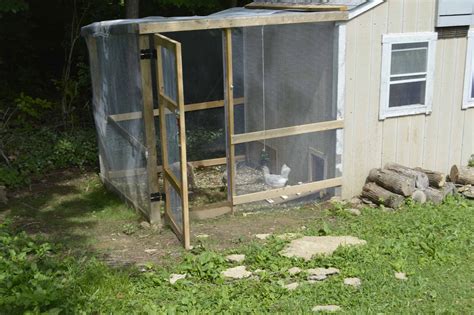
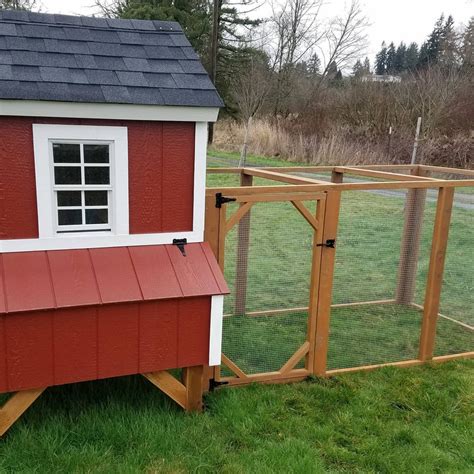
A secure run is just as important as the coop itself. Frame the run using lumber or metal posts. Enclose all sides and the top with 1/2-inch hardware cloth, securely stapling it every few inches to the frame. Bury the hardware cloth perimeter of the run just as you did for the coop. Ensure the run door is sturdy and also has a secure, predator-proof latch.
Final Touches and Maintenance
Add a ramp for the chickens to access the coop. Paint or seal the exterior wood to protect it from weather. Install an automatic chicken door if desired for added security and convenience. Regularly inspect your coop and run for any signs of damage, wear, or potential entry points. Replace worn hardware cloth or damaged wood promptly. Keep the area around the coop clear of debris where pests might hide.
A Safe Haven for Your Hens
Building a sturdy, critter-proof chicken coop is a rewarding DIY project that ensures the health and safety of your backyard flock. By investing time in careful planning, selecting durable materials, and meticulously implementing critter-proofing techniques, you’ll create a secure and comfortable home where your hens can thrive, providing you with fresh eggs for years to come. Enjoy the process of building and the joy of a happy, well-protected flock!