How to build an inexpensive, ventilated root cellar for fall harvest?

Why a Root Cellar is Essential for Your Fall Harvest
After a season of hard work, your fall harvest often yields an abundance of fresh produce. Preserving this bounty efficiently and without relying on energy-intensive refrigeration is where a root cellar shines. A well-designed root cellar provides a naturally cool, humid, and dark environment, perfect for storing root vegetables, apples, pears, and more for months. The key to its success, especially for long-term storage, is proper ventilation. Without it, moisture can build up, leading to spoilage and a short shelf life for your treasured produce.
Building an inexpensive root cellar is an achievable DIY project that can significantly reduce food waste and extend the enjoyment of your homegrown goods. It’s an investment that pays dividends in fresh, readily available food throughout the colder months.
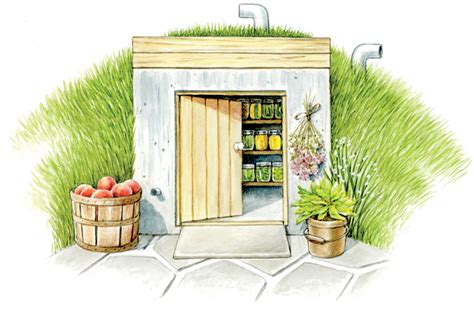
Planning Your Inexpensive Root Cellar
Location, Location, Location
The success of your root cellar begins with choosing the right spot. Look for a location that naturally stays cool and consistently moist, ideally shaded from direct sunlight. This could be:
- An existing unheated basement or garage corner.
- Buried into a hillside for natural insulation.
- A dug-out trench or pit in a shaded part of your yard.
For an inexpensive build, leveraging existing structures or natural terrain is paramount. A north-facing slope is often ideal if digging into the earth, as it receives less direct sun.

Budget-Friendly Materials
The goal is inexpensive, so think repurposed and readily available materials:
- Walls and Roof: Reclaimed lumber, old pallets, concrete blocks, salvaged bricks, or even large culverts if you can find them cheaply. For underground cellars, treated lumber (for structural integrity) or natural stone can work.
- Insulation: Hay, straw, sawdust, wood chips, or even packed earth itself are excellent natural insulators.
- Ventilation Pipes: PVC pipes (new or salvaged), old metal ducting, or even large bamboo stalks can be adapted.
- Door: A simple, insulated wooden door, perhaps built from reclaimed planks.
- Shelving: Wood scraps, sturdy wire racks, or old crates.

Step-by-Step Construction Guide
Preparing the Site
If building underground, dig a trench or pit to your desired dimensions. A typical small root cellar might be 4×6 feet and 6-8 feet deep. Ensure good drainage; you don’t want your cellar to become a pond. If necessary, lay down a layer of gravel at the bottom.
Building the Structure
For an underground or partially buried cellar:
- Foundation: If using concrete blocks or bricks, lay a simple foundation. For wood structures, ensure treated lumber is in contact with the ground.
- Walls: Build the walls using your chosen material. If using wood, create a sturdy frame. For earth-sheltered designs, ensure structural integrity to prevent collapse.
- Roof: Construct a sturdy roof. For underground cellars, this often means heavy-duty planks or treated plywood covered with a waterproof membrane, then a thick layer of soil for insulation.

Crafting the Ventilation System
This is crucial! You’ll need two pipes: an intake and an exhaust.
- Intake Vent: Position this vent low, near the floor, preferably on the north side if possible. It allows cooler, fresh air to enter. Use a wider pipe (4-6 inches diameter). It should extend above the ground outside and have a screen to keep pests out.
- Exhaust Vent: Position this vent high, near the ceiling, on the opposite side of the cellar. This allows warmer, stale air to escape. Use a slightly narrower pipe (3-4 inches diameter). It should also extend above ground and have a screen.
The difference in height and temperature creates a natural convection current, drawing fresh air in and pushing old air out. Install simple dampers or covers for both vents to control airflow during extreme weather.

Finishing Touches
- Door: Install your insulated door, ensuring a tight seal to maintain temperature and humidity.
- Insulation: Pack straw, sawdust, or earth around the exterior of the walls and over the roof for added insulation.
- Shelving: Build simple, sturdy shelves or create bins from old crates for organizing your produce. Ensure air circulation around the shelves.
- Thermometer/Hydrometer: A simple combination gauge will help you monitor conditions, aiming for 35-45°F (2-7°C) and 85-95% humidity for most root crops.
Optimizing Your Root Cellar for Storage
- Preparation: Cure certain crops (like potatoes and winter squash) before storage. Brush off excess dirt, but don’t wash items.
- Separation: Store items that release ethylene gas (like apples) away from those sensitive to it (like potatoes), as ethylene can accelerate sprouting.
- Containers: Use slatted crates, bins, or even layers of straw to store produce, ensuring good airflow.
- Monitoring: Regularly check your stored items and remove any that show signs of spoilage to prevent it from spreading.
Conclusion
Building an inexpensive, ventilated root cellar is a rewarding DIY project that empowers you to take control of your food preservation. With careful planning, resourcefulness, and attention to proper ventilation, you can create a highly functional storage space that keeps your fall harvest fresh and delicious for many months, connecting you more deeply with the bounty of your garden.