



How to build meaningful, real food family traditions with kids?

In a world often dominated by screens and fast-paced living, creating meaningful family traditions can be a grounding force. When these traditions revolve around real food, they offer a powerful way to connect, teach valuable life skills, and nurture healthy eating habits in children. Building these cherished rituals doesn’t have to be complicated; it’s about intentionality, involvement, and a little bit of culinary creativity.

Why Real Food Traditions Matter
Beyond the simple act of eating, real food traditions offer a multitude of benefits for families and and children. They are a cornerstone for developing a positive relationship with food, understanding where food comes from, and appreciating the effort that goes into preparing a meal.
Fostering Connection and Belonging
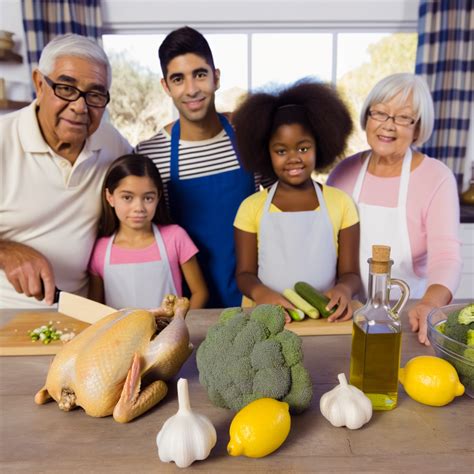
Sharing meals and working together in the kitchen creates an environment of collaboration and shared experience. These moments are ripe for conversation, laughter, and strengthening family bonds, making children feel valued and included.
Teaching Valuable Life Skills
Involving kids in cooking, baking, or gardening teaches practical skills like measuring, following instructions, understanding nutrition, and even basic budgeting. These are crucial life lessons that empower them with independence and competence.
Nurturing Healthy Eating Habits
When children participate in preparing real, whole foods, they are more likely to try and enjoy them. This hands-on experience demystifies healthy ingredients and encourages a lifelong appreciation for nutritious eating, moving away from processed foods.
Creating Lasting Memories
The sensory experiences of cooking – the smells of spices, the warmth of the oven, the taste of freshly picked produce – become powerful anchors for memory. These shared rituals form the fabric of a child’s upbringing, creating stories and traditions they’ll carry into adulthood.
Practical Ways to Build Real Food Traditions
Ready to start? Here are several actionable ideas to weave real food into the heart of your family’s routine.
Cook and Bake Together Regularly
Make cooking a collaborative effort. This could be a weekly “Pizza Friday” where everyone tops their own, a Saturday morning pancake ritual, or a monthly baking day to prepare snacks or desserts. Start with simple recipes and gradually introduce more complex ones as kids gain confidence.
- Weekly Meal Prep Session: Designate a time to prep vegetables, cook grains, or bake muffins for the week ahead, with everyone pitching in.
- “Chef for a Night” Rotation: Let each family member, including kids, choose and help prepare a meal once a week or month.
- Holiday Cookie Baking: A classic tradition that brings joy and delicious results.
Embrace Gardening and Harvesting
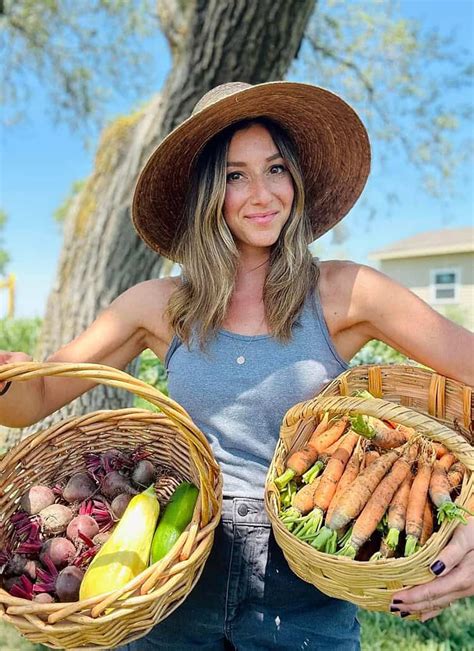
Connecting with the source of food is profoundly impactful. Even a small container garden on a balcony can teach children about growth cycles and the effort involved in producing food.
- Plant a Family Garden: Dedicate a patch for vegetables or herbs that the kids can help tend, water, and eventually harvest.
- Visit Farmers’ Markets: Make a trip to the local farmers’ market a weekend outing. Let kids choose new fruits or vegetables to try.
- Fruit Picking Adventures: Head to a local orchard or berry farm for a fun outing and bring home fresh produce for jams or pies.

Celebrate with Special Food Occasions
Food is central to celebrations. Infuse special occasions with unique real food traditions.
- Themed Dinner Nights: Explore different cuisines with a “Mexican Fiesta Night” or “Italian Pasta Night,” complete with decorations and music.
- Seasonal Feasts: Create a tradition around seasonal ingredients, like a pumpkin-themed dinner in autumn or a berry-laden picnic in summer.
- Holiday Recipe Book: Compile cherished family recipes for holidays and involve kids in preparing them each year, passing down culinary heritage.

Mindful Eating Rituals
Beyond the act of preparing, how we eat is equally important.
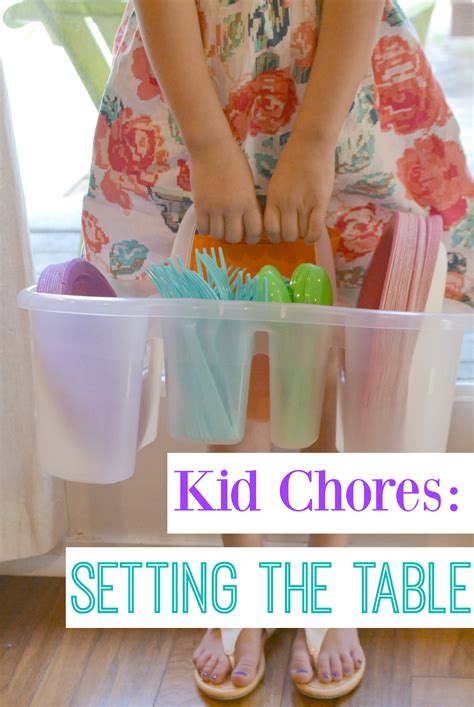
- Family Dinner Time: Prioritize eating together at the table without distractions. This uninterrupted time fosters conversation and connection.
- Gratitude Before Meals: A simple moment of gratitude for the food and company can instill appreciation and mindfulness.
- Cook from Scratch Challenge: Occasionally challenge the family to cook an entire meal from scratch, perhaps even making pasta or bread together.

Tips for Successful Real Food Traditions
- Start Small: Don’t try to overhaul everything at once. Choose one tradition to begin with and build from there.
- Be Flexible: Life happens. Some days traditions might not go as planned. It’s okay to adapt and try again another time.
- Involve Kids in Choices: When children have a say in what’s being cooked or grown, they feel more invested and excited.
- Focus on the Experience, Not Perfection: Messes will happen, and flavors might not always be Michelin-star quality. The goal is connection and shared experience.
- Document the Journey: Take photos, write down new recipes, or create a family cookbook together to cherish the memories.
Cultivating a Legacy of Connection and Health
Building meaningful real food family traditions is more than just about what’s on the plate; it’s about nurturing relationships, imparting essential skills, and creating a legacy of shared joy and healthy living. These traditions become the anchors of childhood, providing comfort, identity, and a deep appreciation for the simple, profound act of breaking bread together. Start today, and watch your family flourish around the kitchen table.