

How to build nutrient-rich soil for an abundant homestead vegetable garden?
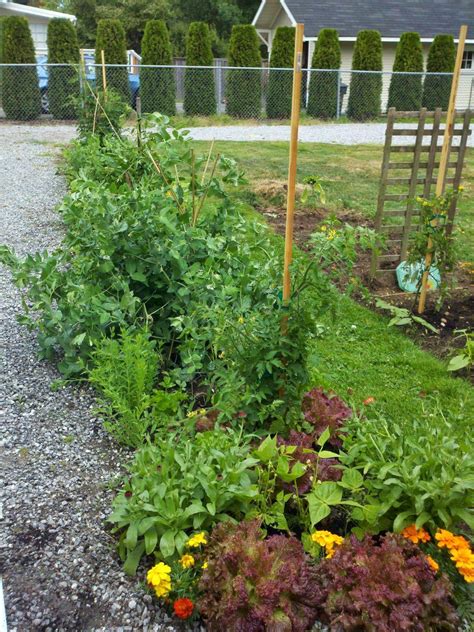
For any homesteader dreaming of bountiful harvests, the secret weapon isn’t a fancy tool or a rare seed – it’s the soil beneath their feet. Nutrient-rich soil is the bedrock of a successful vegetable garden, providing the essential support and sustenance your plants need to flourish, resist disease, and produce prolifically. Building this living foundation is a continuous, rewarding process that pays dividends in vibrant produce and a resilient garden ecosystem.
The Foundation of Abundance: Why Soil Matters
Think of your soil as the stomach of your garden. Just as a healthy digestive system processes nutrients for your body, fertile soil breaks down organic matter, making vital minerals and trace elements available to plant roots. Rich soil improves water retention, ensures proper drainage, provides aeration for roots, and hosts a thriving microbiome of beneficial fungi, bacteria, and invertebrates that are crucial for plant health and nutrient cycling. Neglecting soil health leads to weak plants, poor yields, and an ongoing battle against pests and diseases.

Start with Soil Testing
Before you begin amending, understand what you’re working with. A professional soil test (available through your local agricultural extension office) will provide invaluable insights into your soil’s current composition. It will tell you its pH level, organic matter content, and levels of macro-nutrients (nitrogen, phosphorus, potassium) and micro-nutrients. This baseline information allows you to make informed decisions about which amendments are truly needed, preventing unnecessary additions and potential imbalances.
The Unsung Hero: Composting
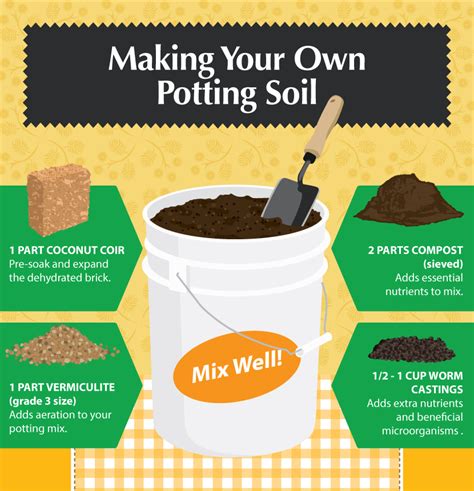
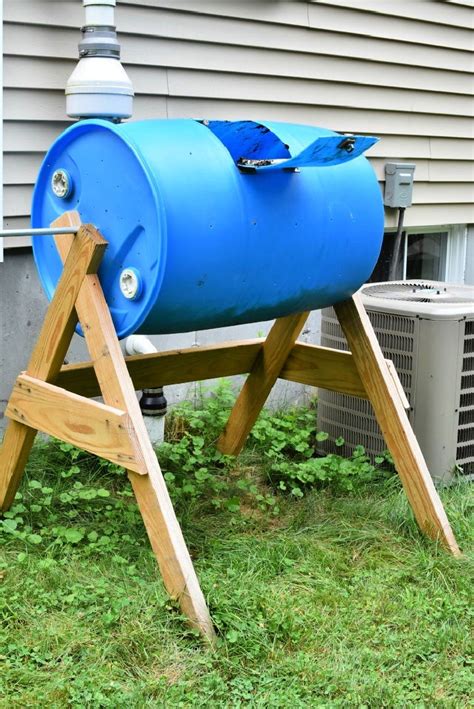
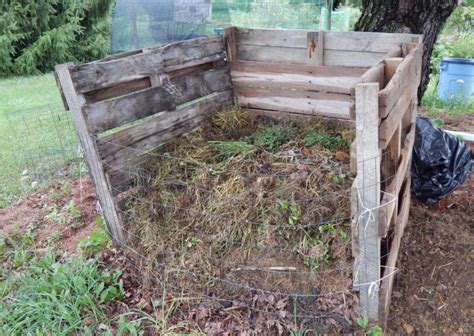
Compost is the gold standard for soil amendment. It’s a miracle worker, improving soil structure, water retention, and nutrient availability all at once. Creating your own compost from kitchen scraps, garden waste, leaves, and other organic materials is a sustainable and cost-effective way to enrich your soil. A well-managed compost pile balances ‘greens’ (nitrogen-rich materials like fresh grass clippings and food scraps) and ‘browns’ (carbon-rich materials like dry leaves, straw, and wood chips) to decompose into a dark, crumbly, nutrient-packed humus. Incorporate several inches of finished compost into your garden beds annually, either by gently turning it in or simply layering it on top.
Beyond Compost: Integrating Organic Matter
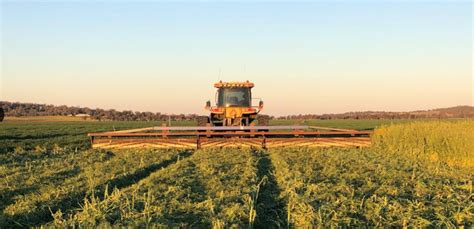
While compost is king, other forms of organic matter play crucial roles. Cover crops, such as clover, vetch, rye, or buckwheat, are planted during off-seasons. They protect the soil from erosion, suppress weeds, add biomass when tilled under (acting as ‘green manure’), and some, like legumes, fix nitrogen from the air into the soil. Mulching with straw, wood chips, or shredded leaves around your plants not only conserves moisture and suppresses weeds but also slowly breaks down, adding continuous organic matter and feeding soil microorganisms. This ‘slow and steady’ approach builds fertility over time.
Strategic Soil Amendments
Based on your soil test results, you might need specific amendments to correct deficiencies:
- Worm Castings: Highly concentrated with beneficial microbes and nutrients, great for boosting seed starting mixes and established plants.
- Rock Dusts: Volcanic rock dusts or glacial rock dusts slowly release a broad spectrum of trace minerals.
- Bone Meal: A good source of phosphorus and calcium, promoting strong root development and flowering.
- Kelp Meal: Rich in trace minerals, hormones, and vitamins that stimulate plant growth and health.
- Gypsum: Can help break up heavy clay soils and add calcium without significantly altering pH.
- Lime or Sulfur: Used to adjust soil pH if it’s too acidic (lime) or too alkaline (sulfur).
Cultivating Healthy Soil Practices
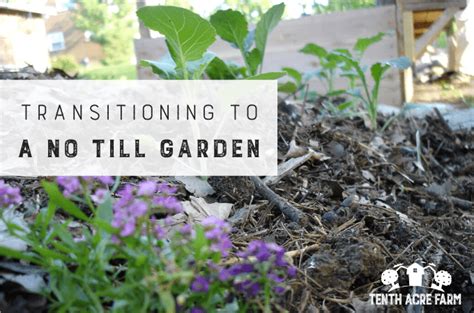
- No-Till or Minimal Tillage: Excessive digging and turning disrupt soil structure and harm the complex web of microbial life. Adopt a no-till or minimal tillage approach, disturbing the soil only when necessary for planting.
- Crop Rotation: Rotate your crops annually. Planting the same crop in the same spot year after year depletes specific nutrients and encourages disease buildup. Rotating different plant families (e.g., legumes, root vegetables, leafy greens, fruiting plants) helps balance nutrient usage and breaks pest and disease cycles.
- Proper Watering: Water deeply and less frequently to encourage roots to grow deeper, making plants more drought-resistant and less susceptible to surface evaporation. Consistent moisture is also vital for microbial activity.
Conclusion: A Living Legacy
Building nutrient-rich soil is not a one-time task but a continuous journey. By consistently adding organic matter, understanding your soil’s needs, and adopting sustainable practices, you’ll not only grow more abundant and healthier vegetables but also create a vibrant, resilient ecosystem right in your backyard. Your homestead garden will become a testament to the power of healthy soil, yielding a bounty that nourishes both your family and the earth.