

How to build nutrient-rich soil for organic garden vegetables?
For any organic gardener, the soil isn’t just dirt; it’s the living, breathing foundation upon which all success is built. Healthy, nutrient-rich soil is paramount for growing vibrant, pest-resistant, and high-yielding organic vegetables. It’s an ecosystem teeming with microbial life, essential minerals, and organic matter, all working in harmony to feed your plants naturally. This guide will walk you through the essential steps to cultivate the ultimate growing medium for your organic garden.

Understand Your Starting Point: The Soil Test
Before you begin amending, it’s crucial to know what you’re working with. A soil test is your first and most important tool. It reveals your soil’s current pH level, nutrient deficiencies (macro and micro), and organic matter content. Local extension offices or private labs can provide comprehensive tests.
Armed with this information, you can make targeted improvements. For instance, if your soil is too acidic, you might add lime; if it lacks phosphorus, bone meal could be the answer. Guessing can lead to an imbalance, which is counterproductive to organic principles.
Embrace the Power of Compost: The Ultimate Soil Builder
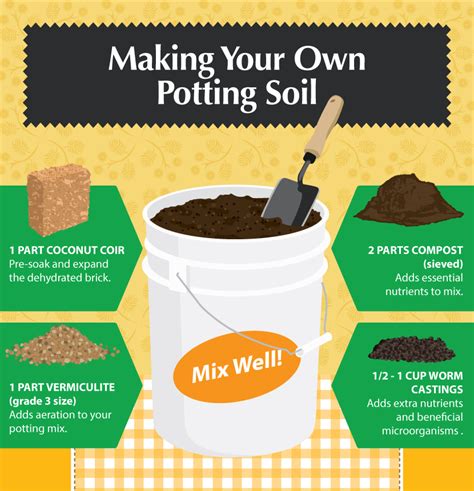
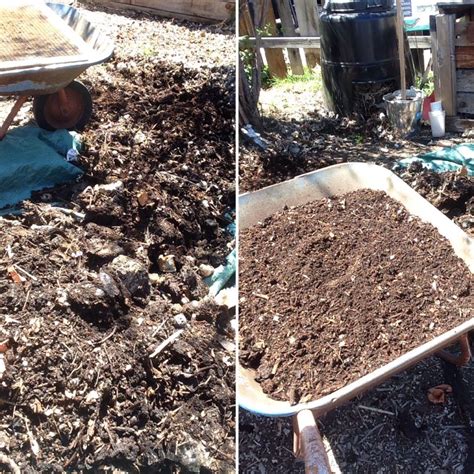
Compost is often referred to as ‘black gold’ for a reason. It’s the single best amendment for building healthy organic soil. Rich in decomposed organic matter, compost improves soil structure, enhances water retention, provides a slow-release source of nutrients, and fosters a robust microbial community.
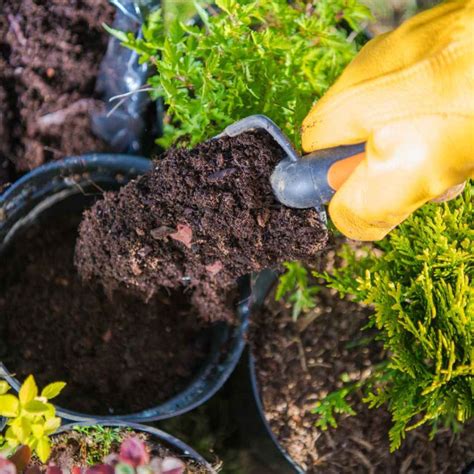
Regularly incorporating 1-3 inches of finished compost into your garden beds each season will dramatically improve fertility and soil life. You can make your own compost from kitchen scraps and yard waste, or source high-quality organic compost from local suppliers.
Strategic Organic Amendments
While compost provides a broad spectrum of benefits, specific organic amendments can target particular needs or boost overall fertility.
Manures and Worm Castings
- Aged Manure: Cow, chicken, horse, or sheep manure, when well-composted, adds nitrogen, phosphorus, and potassium, along with a wealth of organic matter. Always use aged or composted manure to avoid burning plants or introducing pathogens.
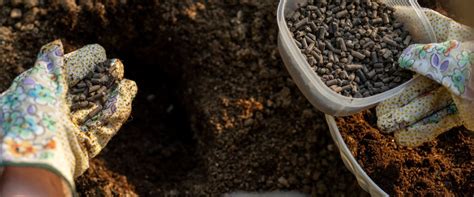
- Worm Castings: The byproduct of vermicomposting, worm castings are incredibly rich in plant-available nutrients and beneficial microbes. They act as a powerful soil conditioner and gentle fertilizer.
Mineral and Plant-Based Amendments
- Bone Meal: Excellent source of phosphorus for root development and flowering.
- Kelp Meal: Provides trace minerals, potassium, and growth hormones that promote robust plant health.
- Greensand: A natural source of potassium and trace minerals, also improves soil structure.
- Rock Dust (Azomite): Delivers a broad spectrum of trace minerals, often depleted in conventional agricultural soils.
Cultivate with Cover Crops and Green Manure
When garden beds are not in active vegetable production, planting cover crops (also known as green manure) is an exceptional way to build soil health. They protect the soil from erosion, suppress weeds, add organic matter when tilled under, and some (like legumes) fix atmospheric nitrogen into the soil.
Common cover crops include clover, vetch, rye, oats, and buckwheat. Choose varieties suited to your climate and season, then incorporate them into the soil before they go to seed, allowing time for decomposition before planting your vegetables.
Mulching for Moisture, Temperature, and Nutrients
Applying a layer of organic mulch over your soil surface is one of the easiest and most effective ways to maintain soil health. Mulch conserves moisture, suppresses weeds, moderates soil temperature, and as it decomposes, it contributes organic matter and nutrients to the soil.
Good organic mulches include straw, shredded leaves, wood chips (for paths or around perennial beds, less so directly in vegetable beds where annuals grow), and grass clippings (chemical-free). Aim for a 2-4 inch layer, keeping it a few inches away from plant stems.

Minimize Soil Disturbance (No-Till Gardening)
Frequent tilling can disrupt the delicate soil structure and the intricate fungal and microbial networks that are vital for plant health. Adopting a no-till or minimum-till approach helps preserve these beneficial organisms and the soil’s natural aggregation.
Instead of deep tilling, focus on surface amendments, broadforking (to loosen without inverting soil layers), and allowing earthworms and roots to do the aeration work for you. This approach builds a resilient, self-sustaining soil ecosystem over time.
Practice Thoughtful Crop Rotation
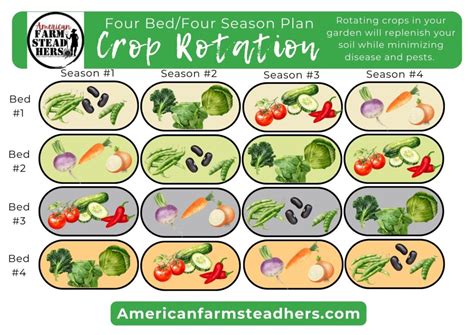
Rotating your crops annually is essential for maintaining nutrient balance and preventing the buildup of soil-borne pests and diseases specific to certain plant families. Different vegetables have different nutrient requirements, and rotating them helps prevent the depletion of specific nutrients in one area.
A simple rotation strategy involves dividing your garden into sections and moving plant families (e.g., legumes, leafy greens, root vegetables, fruiting plants) to a different section each year. This mimics natural ecological processes and keeps your soil vibrant.
Conclusion: Cultivating a Living Ecosystem
Building nutrient-rich soil for your organic garden is not a one-time task but an ongoing process of observation, care, and enrichment. By consistently incorporating compost, utilizing targeted organic amendments, planting cover crops, mulching, minimizing disturbance, and rotating your crops, you will transform your garden into a thriving, resilient ecosystem.
This commitment to soil health will reward you with an abundance of delicious, healthy organic vegetables, year after year, demonstrating the true power of working with nature rather than against it.