How to build rich garden soil using kitchen scraps for better harvests?
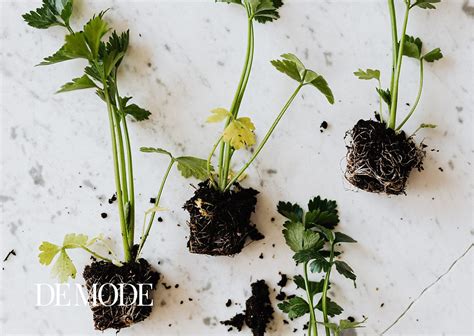
A thriving garden begins with vibrant soil. Instead of relying solely on store-bought amendments, imagine cultivating a rich, fertile foundation using something you produce daily: kitchen scraps. Repurposing your food waste is not only an eco-friendly practice but also an incredibly effective way to enhance your garden’s health, leading to more robust plants and genuinely better harvests.
The Power of Kitchen Scraps for Soil Health
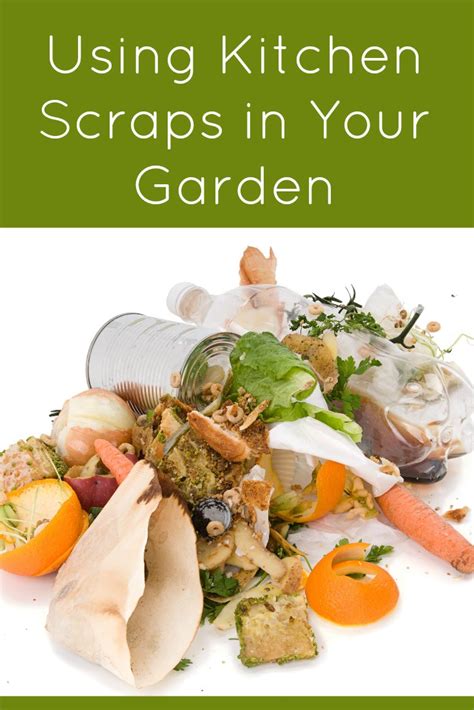
Kitchen scraps are a treasure trove of organic matter, teeming with essential nutrients, beneficial microbes, and trace elements that are vital for plant growth. When incorporated into your soil, they break down, releasing these nutrients slowly and steadily, creating a nutrient-rich environment that synthetic fertilizers can’t replicate. This organic matter also improves soil structure, increasing its ability to retain water and air, which are crucial for healthy root development.
Choosing Your Scraps Wisely
Not all kitchen waste is suitable for the garden. Understanding what to use and what to avoid is key to a successful process and preventing pests.
Ideal Scraps (Greens):
- Vegetable and fruit peels (excluding citrus in large quantities, which can acidify)
- Coffee grounds and filters
- Tea bags (remove staples)
- Eggshells (crushed for faster breakdown)
- Stale bread or cereal (in moderation)
- Nut shells (avoid black walnut, which is toxic to some plants)
Scraps to Avoid (or use sparingly):
- Meat, bones, and fish (attract pests, decompose slowly)
- Dairy products (attract pests, create odors)
- Oils and greasy foods (can repel water, attract pests)
- Diseased plants (can spread pathogens)
- Pet waste (contains harmful bacteria)
Methods for Incorporating Kitchen Scraps
There are several effective ways to turn your kitchen waste into garden gold, each with its own advantages.
1. Composting: The Gold Standard
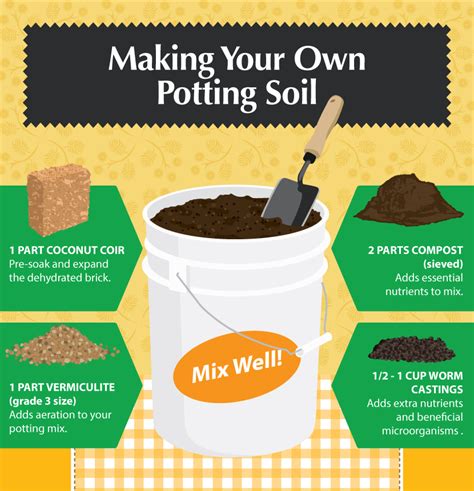
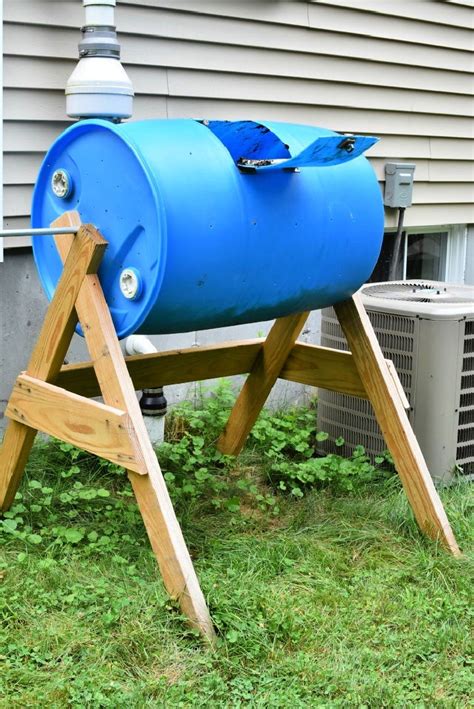
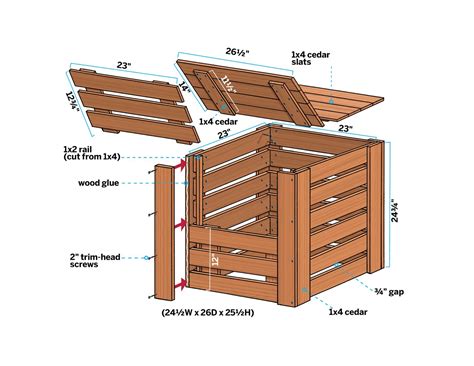
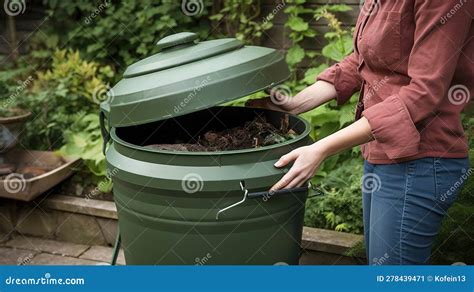
Traditional composting is arguably the best way to utilize kitchen scraps. A well-managed compost pile or bin transforms a mix of ‘greens’ (nitrogen-rich items like kitchen scraps) and ‘browns’ (carbon-rich items like leaves, straw, wood chips) into a dark, crumbly, nutrient-dense material known as humus. This finished compost can then be dug into garden beds, used as a top dressing, or mixed into potting soil.
2. Trench Composting: A Direct Approach
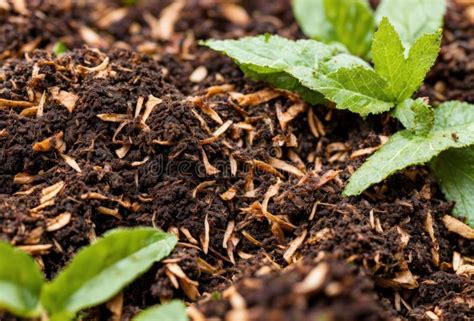
Trench composting involves burying kitchen scraps directly into a garden bed or dedicated trench. Dig a trench or hole about 8-12 inches deep, add your scraps (chopped finely to speed decomposition), and cover them with soil. This method enriches the soil directly where your plants will grow, and the decomposition happens underground, minimizing odors and pest attraction. It’s particularly effective in fallow beds during the off-season.

3. Vermicomposting: Worm Power
For those with limited space or a desire for a quicker turnaround, vermicomposting uses red wiggler worms to break down kitchen scraps into nutrient-rich worm castings. A worm bin, either store-bought or DIY, can be kept indoors or outdoors, producing a highly potent soil amendment and ‘worm tea’ liquid fertilizer.
4. Direct Application (Limited)
Some scraps can be applied directly to the soil surface. Coffee grounds, for instance, can be sprinkled around acid-loving plants like blueberries or roses, or lightly worked into the topsoil. Crushed eggshells can deter slugs and snails while slowly releasing calcium. However, this method should be used sparingly for other types of scraps to avoid attracting pests or creating anaerobic conditions.
Tips for Success and Avoiding Pests
- Chop Scraps: Smaller pieces break down much faster, whether in a compost pile or trench.
- Bury Deep: If trench composting, ensure scraps are covered with at least 6-8 inches of soil to deter pests.
- Balance Greens and Browns: For traditional composting, maintaining a good ratio (roughly 2:1 brown to green) helps decomposition and prevents odors.
- Maintain Moisture: Compost piles need to be consistently moist, like a wrung-out sponge, to facilitate microbial activity.
- Rotate Beds: If trench composting, rotate the locations each season to allow older trenches to fully decompose before planting.

The Bountiful Rewards: Better Harvests Await
By regularly enriching your garden soil with kitchen scraps, you’ll witness remarkable improvements. Your plants will develop stronger root systems, exhibit increased resistance to diseases and pests, and produce more vibrant, flavorful fruits and vegetables. The soil itself will become more resilient, retaining moisture better during dry spells and draining more efficiently during wet periods. This sustainable cycle not only reduces household waste but also creates a healthier, more productive garden ecosystem that truly gives back.
Embracing kitchen scrap composting is a small change with profound effects on your garden and the environment. Start today and watch your garden flourish like never before.