


How to build rich, organic soil for a thriving homestead garden?

At the heart of every flourishing homestead garden lies rich, organic soil – a living ecosystem that provides essential nutrients, retains moisture, and supports robust plant growth. Building such soil isn’t an overnight task but a rewarding journey that pays dividends in bountiful harvests and reduced garden chores. It’s about nurturing the soil food web and working with nature, not against it.
Understanding the Foundation: Why Organic Soil Matters
Unlike conventional soil, which often relies on synthetic fertilizers, organic soil is teeming with microbial life, earthworms, and fungi. This complex web breaks down organic matter, making nutrients available to plants, improving soil structure, and enhancing water retention. Healthy soil leads to healthier plants, which are more resistant to pests and diseases, ultimately reducing the need for chemical interventions and creating a more sustainable system.
Key Pillars of Organic Soil Building
1. The Power of Composting
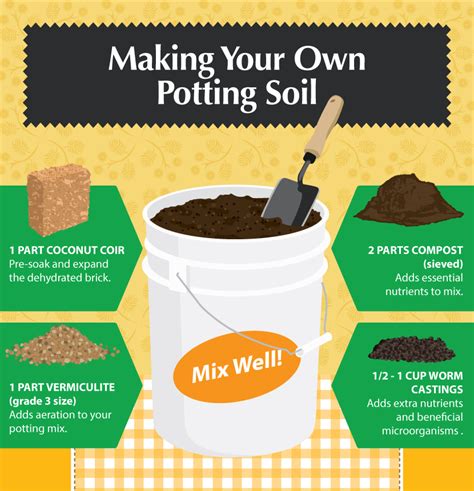
Compost is often called ‘black gold’ for good reason. It’s decomposed organic material that enriches soil with a wide range of nutrients, improves structure, and introduces beneficial microorganisms. Starting a compost pile is one of the most effective steps you can take. Combine kitchen scraps, garden waste (leaves, grass clippings, non-diseased plant matter), and some ‘brown’ materials like shredded newspaper or cardboard. Turn your pile regularly to aerate it and speed up decomposition.

You can also explore vermicomposting (composting with worms) for a continuous supply of nutrient-rich worm castings, perfect for starting seeds or top-dressing plants.
2. Cover Cropping for Soil Enrichment
Cover crops, also known as ‘green manures,’ are plants grown specifically to benefit the soil rather than for harvest. They protect the soil from erosion, suppress weeds, add organic matter when tilled under (or ‘chopped and dropped’ in no-till systems), and can even fix nitrogen from the atmosphere. Popular choices include legumes (clover, vetch) for nitrogen fixation, grains (rye, oats) for biomass, and buckwheat for phosphorus mobilization.

Plant cover crops in fallow beds during the off-season or intersperse them between cash crops. Incorporating them into the soil a few weeks before planting your main crop allows time for decomposition.
3. Embrace No-Till or Minimum Tillage
Traditional tilling can disrupt the delicate soil structure and destroy beneficial fungal networks and microbial habitats. Adopting a no-till or minimum-tillage approach helps preserve the soil’s natural layers and promotes a thriving underground ecosystem. Instead of turning the soil, focus on adding organic matter to the surface, allowing earthworms and other organisms to do the aeration work for you. This approach conserves moisture and reduces weed seed germination.
4. The Magic of Mulching
Mulch is a protective layer of organic material applied to the soil surface. It acts as a blanket, suppressing weeds, conserving soil moisture by reducing evaporation, moderating soil temperature, and slowly breaking down to add organic matter and nutrients. Common mulches include straw, wood chips, shredded leaves, and grass clippings (ensure they are pesticide-free). Apply a thick layer (2-4 inches) around your plants, keeping it a few inches away from stems to prevent rot.

5. Soil Testing and Smart Amendments
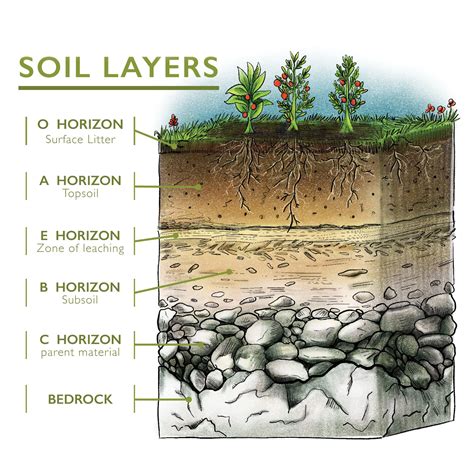
Before making significant amendments, it’s wise to perform a soil test. This will reveal your soil’s pH level, nutrient deficiencies, and excess minerals, allowing you to tailor your amendments precisely. Local extension offices or garden centers often offer affordable soil testing services. Based on the results, you might add:
- Lime or sulfur: To adjust pH.
- Rock phosphate or bone meal: For phosphorus.
- Kelp meal or green sand: For potassium and trace minerals.
- Epsom salts: For magnesium.
Always opt for organic, naturally derived amendments and apply them judiciously.
Long-Term Soil Health and Maintenance
Building rich soil is an ongoing process. Continue to add compost regularly, practice crop rotation to prevent nutrient depletion and pest buildup, and always strive to keep your soil covered with mulch or cover crops. Observe your garden closely; healthy soil will manifest in vibrant, productive plants and fewer problems. Over time, you’ll notice your soil becoming darker, richer, and more friable, a testament to your efforts.

Conclusion: A Living Legacy
Investing in your soil is arguably the most crucial step toward creating a thriving, resilient homestead garden. By embracing composting, cover cropping, mulching, and thoughtful amendments, you’re not just growing food; you’re cultivating a vibrant ecosystem that supports life above and below the ground. This commitment to soil health ensures abundant harvests for years to come, creating a truly sustainable and self-sufficient homestead.