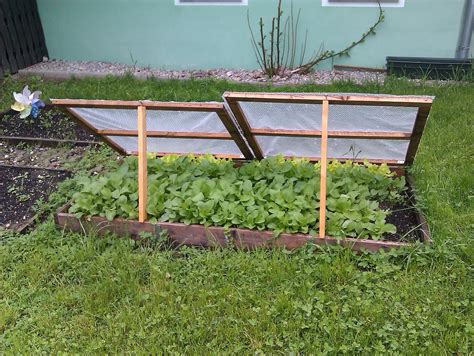





How to build sturdy, rot-resistant raised garden beds cheaply?
Raised garden beds offer numerous benefits for home gardeners: improved drainage, better soil control, reduced weeding, and easier access. However, they can often be expensive to build, and if not constructed properly, susceptible to rot, especially when made from wood. This guide will walk you through how to create sturdy, rot-resistant raised beds without breaking the bank.
The Case for Raised Beds: Benefits and Budget Concerns
Beyond aesthetics, raised beds provide optimal growing conditions. They allow you to create custom soil mixes tailored to your plants, warm up faster in spring, and offer superior drainage, which is crucial for healthy root development. For those with poor native soil or limited space, they are a game-changer.
The primary hurdles for many aspiring raised bed builders are cost and durability. Premium, naturally rot-resistant woods like cedar or redwood can be pricey, and conventional lumber will quickly succumb to moisture and soil contact unless adequately protected. The key to a successful, affordable project lies in smart material selection and sound construction.

Smart Material Choices for Sturdiness and Savings
Your choice of material significantly impacts both the cost and the longevity of your raised bed. Consider a blend of affordability, availability, and natural resistance to decay.
Wood: Balancing Cost and Durability
Naturally rot-resistant woods like cedar, redwood, or black locust are excellent choices due to their inherent ability to withstand moisture and pests. However, their cost can be prohibitive for larger projects. If your budget allows, they provide the longest lifespan without additional treatments.
For a cheaper option, common untreated lumber (such as pine or fir) can be used, but it will require measures to enhance its rot resistance. Options include charring the wood (the shou sugi ban method), treating it with natural, food-safe oils (like linseed oil), or lining the interior with heavy-duty pond liner or thick plastic sheeting before adding soil. Ensure any plastic liner is perforated at the bottom for drainage.
Reclaimed wood, such as old fence pickets or discarded lumber, can be incredibly cheap or even free. Pallets are a popular source, but always verify their origin to ensure they haven’t been treated with harmful chemicals (look for an ‘HT’ stamp for heat-treated, avoid ‘MB’ for methyl bromide). These options require careful inspection for integrity and may need additional sealing.

Non-Wood Alternatives: Lasting Solutions
If wood isn’t your preference, several non-wood materials offer excellent rot resistance and can be very cost-effective:
- Concrete Blocks/Cinder Blocks: These are incredibly durable, readily available, and relatively inexpensive. They absorb and radiate heat, which can benefit plants in cooler climates. They are also incredibly easy to stack without mortar for temporary or expandable beds.
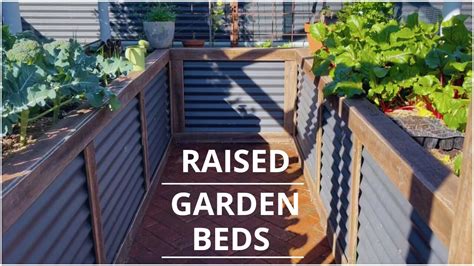
- Corrugated Metal Panels: Often used for roofing or siding, these panels offer a modern look, are lightweight, and impervious to rot. They can be sourced new or reclaimed and are usually fastened to a simple wooden or metal frame for support.
- Stone or Rock: If you have access to local stone or river rock, this can be a beautiful and virtually free option. Building with stone is labor-intensive but results in an exceptionally long-lasting and aesthetically pleasing bed.
Key Design Principles for a Lasting Structure
Beyond material choice, the construction method plays a vital role in the bed’s longevity and stability. Aim for simplicity without compromising strength.
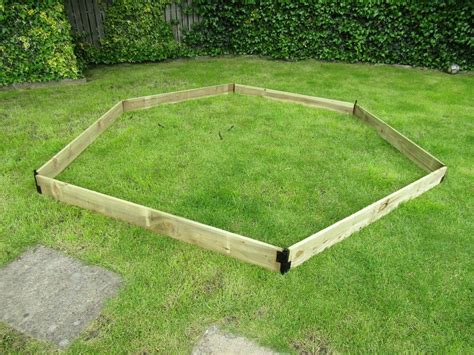
For wooden beds, the corners are critical. Overlapping the ends of the boards and fastening them with long, exterior-grade screws or bolts creates a strong joint. For added rigidity, particularly on longer beds, consider internal corner bracing or metal angle brackets. Tying the walls together across the width of the bed with a piece of wood or metal rod every few feet can prevent bowing, especially when the bed is filled with heavy, moist soil.
Regardless of material, ensure your bed sits directly on the ground, allowing for natural drainage. While some people add a layer of hardware cloth at the bottom to deter burrowing pests, a solid bottom is generally not recommended as it hinders drainage and can lead to waterlogging.
Step-by-Step: Assembling Your Budget-Friendly Bed
Building a basic raised bed is a straightforward DIY project:
- Plan and Measure: Determine your desired dimensions. A common height is 10-12 inches (using two 2×6 boards) and a width of 3-4 feet allows easy access from either side.
- Cut Materials: Cut your chosen boards, panels, or prepare your blocks to the correct lengths. If using wood, apply any desired rot-resistant treatments (charring, oiling) before assembly.
- Assemble the Sides: For wood, join the corners using screws, bolts, or lag screws. If using concrete blocks, simply stack them in a desired pattern. For corrugated metal, attach panels to a simple internal wood frame with self-tapping screws.
- Level and Place: Position your assembled bed in its final location. Use a level to ensure it sits evenly on the ground. A level bed prevents uneven water distribution.
- Add Optional Liner & Fill: If using a plastic liner for wood beds, staple it to the interior walls, ensuring it doesn’t extend above the soil line and has drainage holes. Then, fill your bed with a high-quality soil mix.
Maximizing Longevity and Minimizing Maintenance
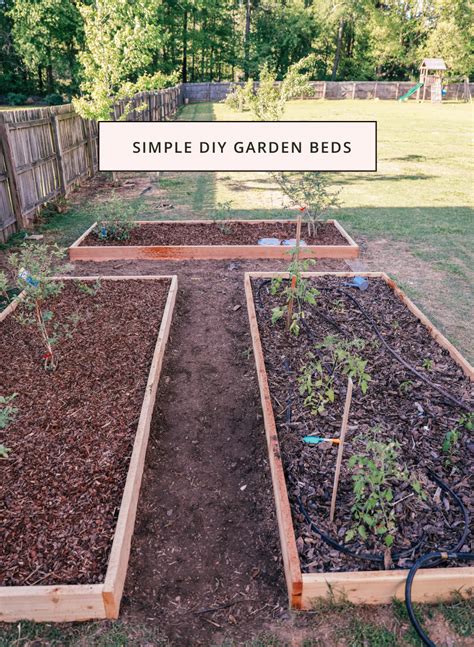
Even with rot-resistant materials and sturdy construction, a little ongoing care can significantly extend the life of your raised beds. Ensure good drainage around the exterior of wooden beds to prevent constant contact with pooling water. If you used a natural oil treatment on wood, reapply it every few years as needed.
Periodically inspect your beds for any signs of wear, loose fasteners, or sagging. Addressing minor issues promptly will prevent them from becoming major problems. With non-wood options like concrete or metal, maintenance is minimal, usually involving just a quick rinse or brush to keep them clean.
Conclusion
Building sturdy, rot-resistant raised garden beds doesn’t have to be an expensive endeavor. By intelligently selecting materials like common lumber with proper treatment, reclaimed wood, concrete blocks, or corrugated metal, and focusing on strong construction techniques, you can create functional, beautiful, and long-lasting growing spaces on a budget. Embrace the DIY spirit, and enjoy the fruits (and vegetables!) of your labor for years to come.