How to cook real food simply & preserve garden harvests while camping?
Embrace Wholesome Meals in the Wild
Camping often conjures images of dehydrated meals, canned beans, and endless hot dogs. While convenient, these options don’t always satisfy the palate or provide the nutrition needed for active outdoor adventures. What if you could enjoy delicious, real food—even leveraging your garden’s bounty—with minimal fuss? This guide will show you how to transform your campsite into a gourmet outdoor kitchen, making simple, wholesome meals and preserving your harvest for the trail.
Simplifying Real Food Cooking While Camping
Cooking “real food” in the wilderness doesn’t have to be complicated. The key lies in strategic planning and smart packing.
Preparation is Your Best Friend
- Pre-chop & Pre-mix: Chop vegetables, pre-mix spice blends, and marinate meats at home. Store them in airtight containers or reusable bags.
- Assemble Meal Kits: Portion out ingredients for each meal into separate bags or containers. This streamlines cooking and reduces waste.
- Homemade Sauces & Dressings: Bring small containers of your favorite homemade sauces or vinaigrettes to elevate simple dishes.
Essential Camp Kitchen Gear
A few versatile items can make all the difference:
- Cast Iron Skillet/Dutch Oven: Excellent for cooking over an open fire or on a camp stove, perfect for one-pot meals, baking, and frying.
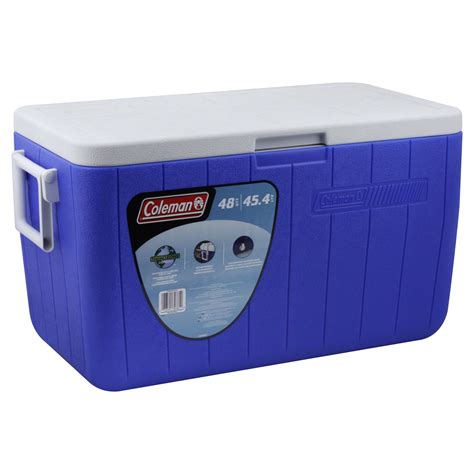
- Quality Cooler: Invest in a good cooler to keep perishable foods fresh for longer. Use ice blocks rather than cubes for sustained cooling.
- Camp Stove: A reliable two-burner stove offers flexibility and control, especially if open fires are restricted.
- Basic Utensils: Spatula, tongs, cutting board, sharp knife.
Easy & Delicious Camp Meal Ideas
- Foil Packet Meals: Combine chopped vegetables, protein (chicken, fish, tofu), herbs, and a splash of olive oil in heavy-duty foil. Cook directly on coals or a grill grate.
- One-Pot Wonders: Chili, stews, pasta dishes, or hearty soups cooked in a Dutch oven or large pot.
- Skillet Breakfasts: Scrambled eggs with pre-chopped veggies, breakfast burritos, or pancakes.
- Grilled Skewers: Alternate pre-cut vegetables and marinated meat on skewers for quick grilling.
Preserving Garden Harvests for Your Camping Trip
Bringing your garden’s abundance to the campsite is a fantastic way to enjoy fresh, seasonal flavors and reduce food waste. Here’s how to do it effectively:
Pre-Trip Preservation Techniques
- Dehydration: One of the best methods for camping. Dehydrate sliced fruits (apples, berries), vegetables (zucchini, tomatoes, bell peppers), and herbs. They become lightweight, shelf-stable, and pack a flavor punch.
- Blanching & Freezing: For vegetables like green beans, broccoli, or corn, blanch them briefly and then freeze. Store frozen in airtight bags in your cooler, using them as natural ice packs.
- Fermentation: Small batches of fermented vegetables like pickles or sauerkraut can add a tangy crunch to meals. Ensure they are well-sealed.
- Canning: Jams, jellies, salsas, or fruit butters made from your harvest are perfect for breakfast or as an accompaniment. Be mindful of glass jar weight and fragility.
- Fresh & Durable Produce: For short trips, bring hardy vegetables like carrots, potatoes, onions, garlic, and sturdy squash that don’t require refrigeration until cut. Pack them carefully to prevent bruising.
Integrating Harvests into Camp Meals
- Dehydrated Veggies: Rehydrate in hot water and add to stews, instant noodles, or scramble with eggs.
- Fresh Greens & Herbs: Use sturdy greens for salads or wraps. Fresh herbs can brighten any dish.
- Root Vegetables: Roast potatoes and carrots directly in coals (wrapped in foil), or dice them into a hearty Dutch oven stew.
- Canned Goods: Homemade salsa for tacos, jam for toast or oatmeal.
Practical Tips for a Seamless Experience
- Strategic Meal Planning: Plan your meals around your harvested produce. Use the most perishable items first.
- Cooler Management: Pack your cooler efficiently with heavy, cold items at the bottom. Use block ice which melts slower than cubes. Minimize opening the cooler to maintain temperature.
- Food Safety First: Always wash hands, cook meat to proper temperatures, and keep perishable foods out of the “danger zone” (40-140°F / 4-60°C).
- Leave No Trace: Pack out all food scraps and waste. Consider composting suitable organic waste if permitted and practical, far from wildlife.
Conclusion
Camping with real food and your garden’s harvest adds an incredible dimension to your outdoor adventures. It’s healthier, often more cost-effective, and deeply satisfying to cook and eat wholesome meals under the open sky. By employing simple preparation and preservation techniques, you can enjoy the freshest flavors from your backyard even when you’re miles away from home. So, next time you plan a trip, pack your bags with purpose and savor the true taste of nature’s bounty.