


How to cook tough garden greens tender without bitterness?
Embracing the Bounty: Taming Tough & Bitter Greens
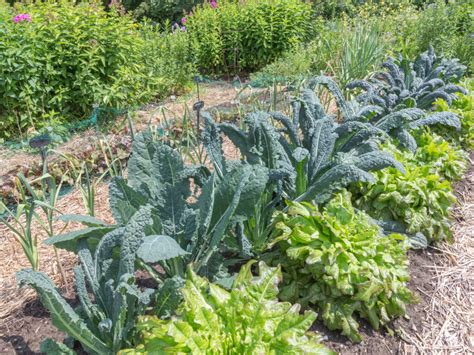
Garden-fresh greens are a culinary delight, but sometimes the very vibrancy that makes them appealing can also lead to challenges in the kitchen. Mature or late-season greens like kale, collards, mustard greens, or even older spinach can be notoriously tough and possess an assertive bitterness. Fret not! With a few clever techniques, you can transform these robust vegetables into tender, palatable, and incredibly flavorful dishes, making the most of your harvest.
Preparation: The First Step to Perfection
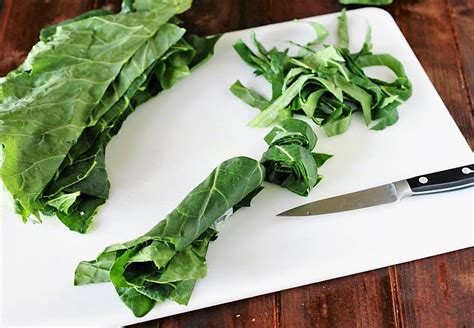
Before any heat is applied, proper preparation is crucial. Start by thoroughly washing your greens to remove any soil or grit. For tougher varieties, remove the thickest, fibrous stems by stripping the leaves away or cutting them out. These stems can remain tough even after extended cooking. Chop your greens into uniform pieces – this ensures even cooking and a more pleasant texture in the final dish.
Mastering Tenderness: Cooking Techniques
Blanching: The Quick Softener
Blanching is your best friend for quickly tenderizing tough greens and can also help mellow bitterness. Bring a large pot of salted water to a rolling boil. Plunge the chopped greens into the boiling water for 1-3 minutes, depending on their thickness, until they are bright green and slightly softened. Immediately transfer them to an ice bath to stop the cooking process and preserve their vibrant color. Squeeze out excess water before proceeding with your recipe. This pre-cooking step allows for faster final cooking and a more pleasant texture.
Braising & Slow Cooking: Patience Pays Off
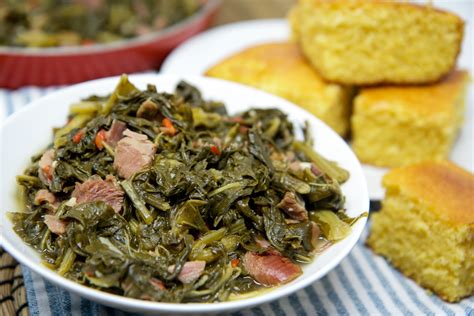
For greens like collards or kale that thrive with longer cooking times, braising is an excellent method. Start by sautéing aromatics (onions, garlic, smoked ham hocks for Southern-style greens) in a heavy-bottomed pot. Add the greens, a flavorful liquid (broth, water, cider vinegar), and bring to a simmer. Cover and cook over low heat for 30 minutes to 2 hours, or until the greens are incredibly tender. The slow, moist heat breaks down tough fibers, creating a melt-in-your-mouth texture.
Conquering Bitterness: The Art of Flavor Balance
Bitterness, while sometimes desirable, can be overpowering in certain greens. The key to mitigating it lies in balancing the flavor profile with other elements:
- Fat: Healthy fats like olive oil, butter, or rendered bacon fat can coat the palate and reduce the perception of bitterness. Don’t be shy with a generous drizzle or sautéing base.
- Acidity: A splash of vinegar (apple cider, red wine, balsamic) or a squeeze of lemon juice at the end of cooking brightens flavors and cuts through bitterness beautifully.
- Sweetness: A touch of natural sweetness, whether from sautéed onions, carrots, a pinch of sugar, or even sweet fruits like apples, can wonderfully offset bitterness.
- Salt: Proper seasoning with salt is essential for all cooking, and it helps to round out flavors, making bitter notes less harsh.
The ‘Milking’ Technique
For exceptionally bitter greens, some cooks employ a technique involving dairy. Briefly cooking greens in a small amount of milk (or even a dairy-free alternative) before draining and proceeding with your recipe can draw out some of the bitter compounds, mellowing the flavor significantly.
Putting it All Together for Delicious Results
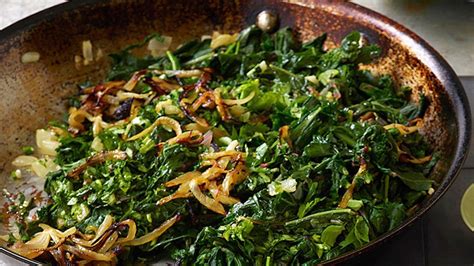
Often, a combination of these techniques yields the best results. For example, you might blanch tough kale, then sauté it with garlic and onion in olive oil, finishing with a splash of apple cider vinegar and a pinch of red pepper flakes. Experiment with different methods to find what works best for the specific greens you’re cooking and your personal taste preferences.
Don’t let tough or bitter greens intimidate you. With these tips and tricks, you’re well-equipped to transform even the most robust garden harvest into a tender, flavorful, and incredibly satisfying dish that everyone will enjoy. Happy cooking!