





How to deter raccoons from chicken coops naturally?
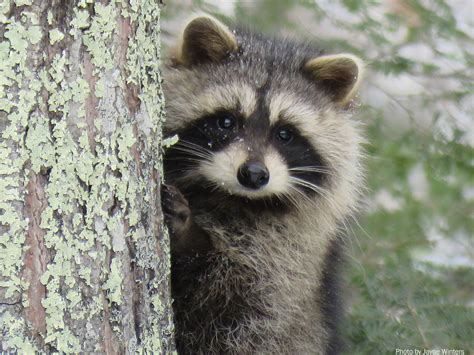
Raccoons, with their masked faces and dexterous paws, are a formidable foe for any chicken keeper. These nocturnal omnivores are opportunistic predators, capable of breaching seemingly secure coops and causing devastating losses to a flock. For those seeking to protect their feathered friends without resorting to harmful chemicals or traps, understanding and implementing natural deterrence methods is key. This article will guide you through effective, humane strategies to keep raccoons at bay and ensure the safety of your chickens.
Understanding the Raccoon Threat
Before implementing deterrents, it’s crucial to understand why raccoons are such a problem. They are incredibly intelligent, persistent, and possess strong climbing abilities and nimble paws that can unlatch simple locks or tear through weak netting. Raccoons are primarily nocturnal, meaning most attacks occur under the cover of darkness. They are attracted to easy food sources, and a chicken coop represents a convenient buffet of eggs, chicks, and even adult birds.
Fortifying Your Coop: Physical Barriers Are Paramount
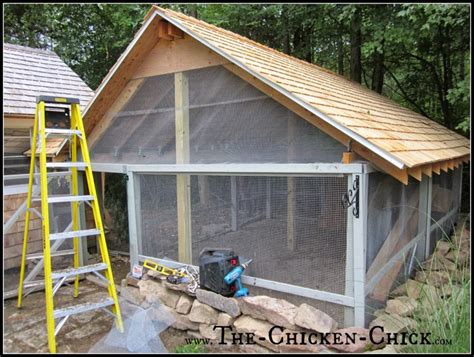
The most effective natural deterrent is a robust physical barrier. No amount of spray or sound will compensate for a poorly constructed coop. Start by ensuring your coop’s walls and roof are made of sturdy materials. Hardware cloth (½-inch galvanized steel mesh) is superior to chicken wire, which raccoons can easily tear through or push aside. Cover all windows and ventilation openings with hardware cloth.
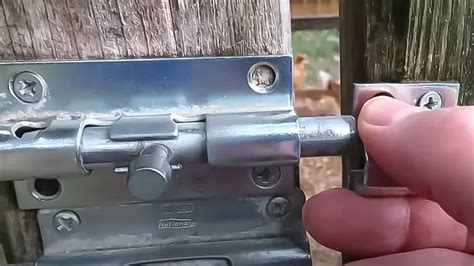
Doors and latches are critical weak points. Use heavy-duty, raccoon-proof latches like carabiner clips, barrel bolts, or even padlocks. Raccoons are known to be able to open slide bolts and simple hooks. Bury hardware cloth or extend it outwards (a “skirt”) around the base of the coop at least 12-18 inches deep and wide to prevent raccoons from digging underneath.
Harnessing Nature’s Repellents: Scents and Sensations
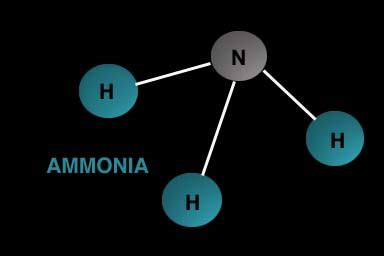
Raccoons have a keen sense of smell, which can be used against them. Certain odors are highly unpleasant and can deter them from approaching. Soaking rags in ammonia or white vinegar and placing them around the coop perimeter (out of reach of chickens) can be effective. Reapply these regularly, especially after rain.
Another option is predator urine (coyote or fox urine), available commercially. Sprinkling this around the coop can trick raccoons into thinking a larger predator is nearby. Some chicken keepers also report success with strong spices like cayenne pepper or chili powder sprinkled around the perimeter, which can irritate raccoons’ sensitive paws and noses. Be cautious with these around your chickens, as they can also irritate birds.
Eliminating Attractants: Cleanliness and Tidiness
Raccoons are driven by hunger. By removing easy food sources, you make your property less appealing. Don’t leave pet food outside overnight. Secure all trash cans with tight-fitting, raccoon-proof lids or bungee cords. Clean up any fallen fruit from trees, discarded eggs, or chicken feed spills immediately. Consider using treadle feeders that only open when a chicken steps on them, preventing raccoons from accessing feed. Store all feed in airtight, metal containers that raccoons cannot chew through or open.

Behavioral Deterrents and Monitoring
Raccoons are generally timid and dislike sudden surprises. Motion-activated lights or sprinklers can be very effective at scaring them away before they get too close. Position these strategically around your coop. While not a “natural” deterrent in the same sense as odors, they use natural fright responses. Some livestock guardian animals, such as dogs (e.g., Great Pyrenees) or even donkeys, can deter raccoons through their presence and territorial instincts, but this is a significant commitment and requires careful integration with your flock.

Conclusion
Deterring raccoons naturally requires a multi-faceted approach and consistent effort. No single method is foolproof, but by combining robust physical barriers with natural repellents, eliminating attractants, and employing behavioral deterrents, you can significantly reduce the risk of raccoon attacks. Regular checks of your coop’s integrity and a proactive stance will ensure your flock remains safe and sound, allowing you to enjoy the benefits of country living without the constant worry of nocturnal predators.