



How to easily preserve abundant garden produce for winter meals?

There’s nothing quite like the satisfaction of harvesting a bountiful garden. Lush tomatoes, crisp beans, sweet corn, and vibrant berries seem to appear all at once, presenting a wonderful challenge: how to enjoy this fresh goodness long after the growing season ends? Preserving your garden’s bounty for winter meals is not only a practical skill but also a deeply rewarding way to connect with your food source and ensure healthy, delicious options all year round.
Embracing the Harvest: Why Preserve?
Beyond the joy of self-sufficiency, preserving produce helps reduce food waste, saves money on groceries during colder months, and allows you to enjoy the peak flavor and nutritional value of your homegrown vegetables and fruits. Imagine the taste of sun-ripened tomatoes in a January stew or sweet berries in a February pie – all from your own backyard!
Freezing: The Quickest Path to Preservation
For many busy gardeners, freezing is the easiest and most straightforward method. Most vegetables benefit from blanching (briefly boiling, then shocking in ice water) before freezing to stop enzyme action and retain color, flavor, and nutrients. Fruits, on the other hand, can often be frozen raw, either whole, sliced, or pureed.
- Vegetables: Blanch green beans, broccoli, peas, and corn. Spread them on a baking sheet to freeze individually before transferring to freezer bags to prevent clumping.
- Fruits: Freeze berries whole on a tray before bagging. Slice peaches or apples and freeze with a little lemon juice to prevent browning. Puree tomatoes or make sauces to freeze in containers.

Canning: A Time-Honored Tradition
Canning involves sealing food in airtight jars, then heating them to a temperature that destroys spoilage-causing microorganisms. It’s perfect for creating shelf-stable pantry staples. There are two main types:
- Water Bath Canning: Ideal for high-acid foods like fruits, jams, jellies, pickles, and tomatoes (often with added acidity). Jars are submerged in boiling water for a specific time.
- Pressure Canning: Essential for low-acid foods such as most vegetables (e.g., green beans, corn, carrots), meats, and mixed recipes like soups. A pressure canner heats food to much higher temperatures than boiling water.
Always follow tested recipes from reliable sources (like university extensions or reputable canning guides) for safety and quality.

Dehydrating and Root Cellaring: Ancient Methods, Modern Relevance
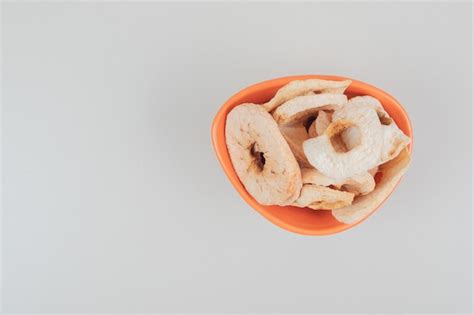
Dehydrating removes moisture from food, inhibiting microbial growth. This method is excellent for herbs, fruit leathers, apple rings, jerky, and even some vegetables like peppers or tomatoes. A food dehydrator offers precise control, but you can also use an oven on its lowest setting or even sun-dry in hot, dry climates.
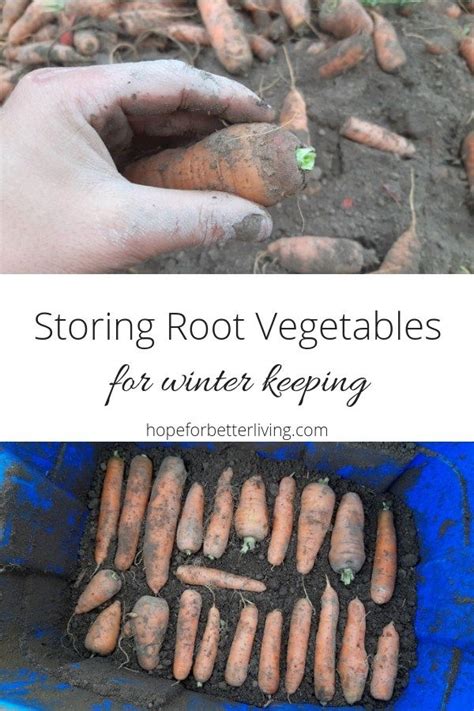
Root cellaring (or cold storage) is perfect for crops that prefer cool, dark, and humid conditions. Potatoes, carrots, beets, winter squash, apples, and cabbage can last for months in an unheated basement, garage, or dedicated root cellar. Proper ventilation and temperature control are key.
Essential Tips for Successful Preservation
- Start with Quality: Only preserve fresh, blemish-free produce.
- Cleanliness is Key: Sanitize all equipment, jars, and work surfaces to prevent spoilage.
- Follow Recipes Precisely: Especially for canning, deviations can compromise safety.
- Label and Date: Clearly mark all preserved goods with the item and date. Consume within a year for best quality.
- Invest in Good Tools: A quality freezer, dehydrator, canner, or appropriate storage containers will make the process easier and more effective.

Enjoying Your Winter Bounty
With a well-stocked pantry and freezer, you’ll be well-prepared to create delicious, home-cooked meals even when the snow flies. From hearty vegetable soups and savory pasta sauces to vibrant fruit crumbles and refreshing preserves, your preserved garden produce will not only nourish your body but also provide a comforting reminder of summer’s abundance. Happy preserving!