How to easily preserve summer garden bounty for year-round homemade meals?
The vibrant colors and fresh flavors of a summer garden are truly one of life’s simple pleasures. But what happens when the harvest is overflowing, and you can’t possibly eat it all before it spoils? The answer lies in the ancient art of food preservation. By dedicating a little time now, you can enjoy your homegrown bounty long after the warm days have faded, turning your summer garden’s generosity into year-round homemade meals filled with fresh taste and nutritional value.
Freezing: The Quickest and Easiest Method
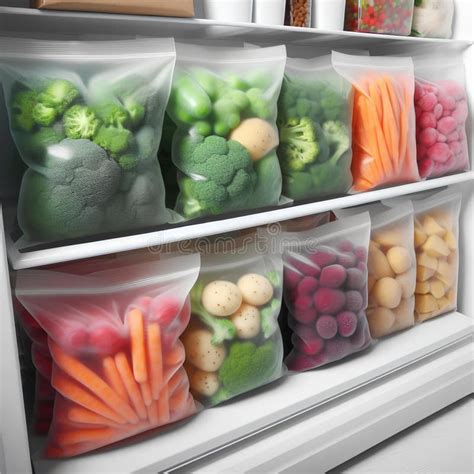
For many home gardeners, freezing is the most accessible and least intimidating preservation technique. It requires minimal special equipment and is perfect for a wide range of fruits and vegetables, locking in their flavor and nutrients.
Vegetables: Blanch and Freeze
Most vegetables benefit from blanching before freezing. This quick dip in boiling water followed by an ice bath stops enzyme action, preserving color, flavor, and texture. Think green beans, broccoli, peas, and corn. After blanching, pat them dry, spread them in a single layer on a baking sheet to freeze individually, then transfer to freezer-safe bags or containers. This prevents them from clumping together.
Fruits: Simple Freezing
Many fruits, especially berries, peaches, and cherries, freeze beautifully without blanching. Simply wash, pat dry, and spread on a baking sheet to flash freeze before transferring to freezer bags. They’ll be perfect for smoothies, pies, jams, or adding to oatmeal.
Canning: Sealing in Summer’s Essence
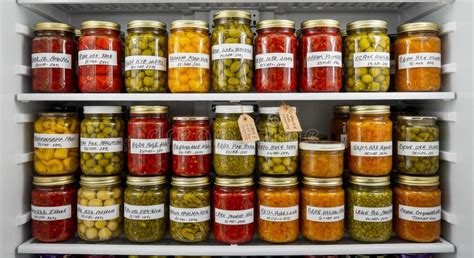
Canning might seem daunting, but it’s a rewarding method for preserving larger quantities of food and creating shelf-stable pantry staples. There are two primary types: water bath canning and pressure canning.
Water Bath Canning for High-Acid Foods
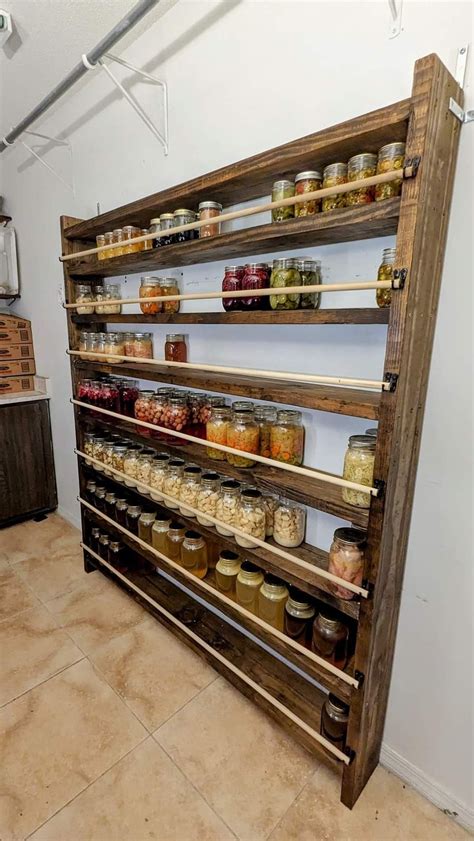
This method is suitable for fruits, fruit juices, jams, jellies, pickles, and tomatoes (with added acid). Jars are filled, sealed, and submerged in boiling water for a specified time, creating a vacuum seal as they cool. It’s a fantastic way to make your own fruit preserves, salsa, and pickled vegetables.
Pressure Canning for Low-Acid Foods
Low-acid foods like most vegetables (green beans, corn, carrots, potatoes), meats, poultry, and soups require a pressure canner to reach temperatures high enough to destroy harmful bacteria. This method is essential for safe preservation of these items and should not be skipped or substituted.
Dehydrating: Concentrating Flavor and Nutrients
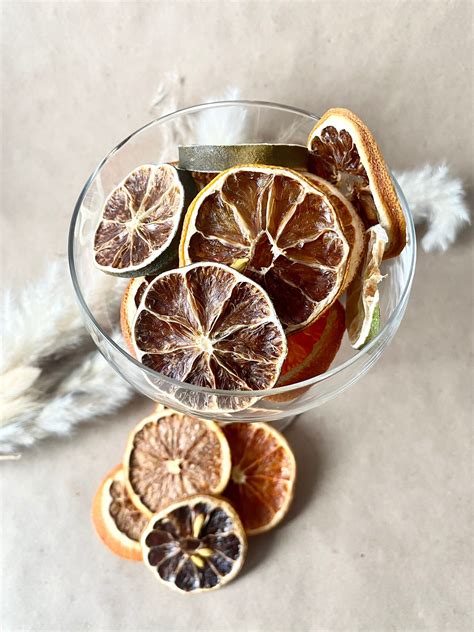
Dehydration removes moisture from food, inhibiting microbial growth and concentrating flavors. It’s an excellent method for making fruit leathers, sun-dried tomatoes (or oven-dried), herbs, and even vegetable chips. A food dehydrator is ideal, but a low oven setting can also work.
Dehydrated foods are lightweight and take up minimal storage space, making them perfect for backpacking meals, snacks, or adding intense flavor to stews and sauces. Imagine adding your homegrown dried herbs to winter soups!
Fermentation: Probiotic-Rich Preservation
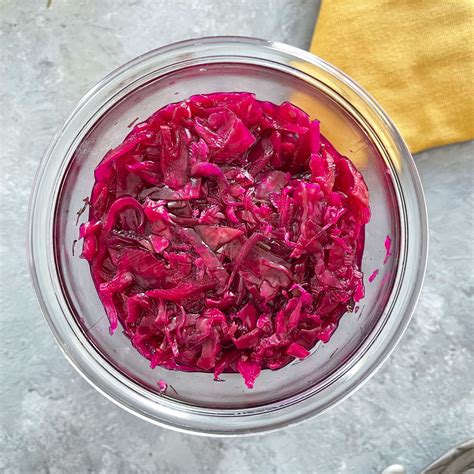
Fermentation is an ancient technique that not only preserves food but also enhances its nutritional value by creating beneficial probiotics. Common fermented foods include sauerkraut, kimchi, and various types of pickles. This method involves allowing beneficial bacteria to convert sugars into lactic acid, which acts as a natural preservative.
All you need are your garden vegetables (cabbage for sauerkraut, cucumbers for pickles), salt, water, and often some simple canning jars. The process is surprisingly straightforward and results in tangy, flavorful additions to your meals that support gut health.
Enjoying Your Year-Round Harvest
Preserving your summer garden bounty is more than just a chore; it’s an investment in your health, your wallet, and your culinary creativity. Whether you choose to freeze, can, dehydrate, or ferment, each method opens up new possibilities for delicious, homemade meals throughout the year. From adding frozen berries to your morning smoothie to enjoying pickled green beans with dinner, your efforts now will pay dividends in flavor and satisfaction for months to come. So roll up your sleeves, embrace the abundance, and savor the taste of summer, all year long!