How to easily scale & preserve recipes for abundant garden tomatoes?
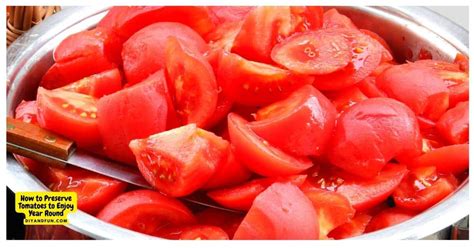
The joy of a bountiful tomato harvest from your garden is unparalleled. However, this abundance often comes with the challenge of processing and preserving those sun-ripened beauties before they spoil. This guide will walk you through effective strategies for scaling recipes and utilizing various preservation techniques, ensuring not a single tomato goes to waste.
Understanding Your Tomato Bounty
Before you dive into cooking, take stock of your harvest. Knowing the quantity you’re working with will help you plan your preservation strategy and choose the most suitable recipes. Are you dealing with a few pounds, or are we talking bushels? This assessment is crucial for efficient processing.
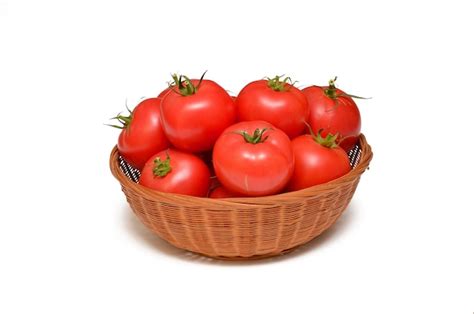
Consider the varieties you have as well. Roma tomatoes are excellent for sauces and paste due to their meaty texture, while juicier varieties like Beefsteaks are perfect for canning diced tomatoes or making purées. Cherry tomatoes, on the other hand, are delightful for roasting and freezing whole.
Scaling Recipes: From Small Batch to Bulk
Scaling a recipe effectively means more than just multiplying ingredients. While mathematical precision is a good starting point, other factors come into play, especially when dealing with large quantities of produce.
Key Considerations for Scaling
- Equipment: Do you have large enough pots, baking sheets, or canning equipment to handle increased volumes?
- Cooking Time: Larger quantities often require longer cooking times, especially for reducing sauces. Be prepared to adjust and monitor closely.
- Seasoning: Spices and herbs can become overwhelming if simply multiplied. Add them gradually and taste test frequently, as flavors can concentrate during long cooking or preservation processes.
- Consistency: The texture of a large batch might differ slightly. Adjust liquid content as needed to achieve desired thickness, especially for sauces and jams.
Essential Preservation Techniques for Tomatoes
There are several tried-and-true methods for preserving tomatoes, each suited for different uses and storage needs.
Freezing Tomatoes
Freezing is perhaps the easiest method for preserving tomatoes with minimal effort. Whole, cored tomatoes can be frozen on a baking sheet and then transferred to freezer bags. Once thawed, their skins slip off easily, making them perfect for sauces. Alternatively, you can blanch, peel, and chop tomatoes before freezing, or even purée them into a sauce base.

Canning Tomatoes
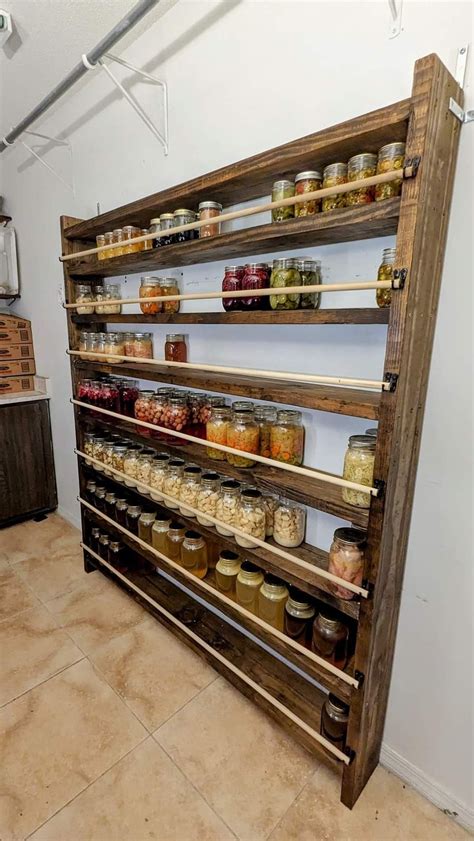
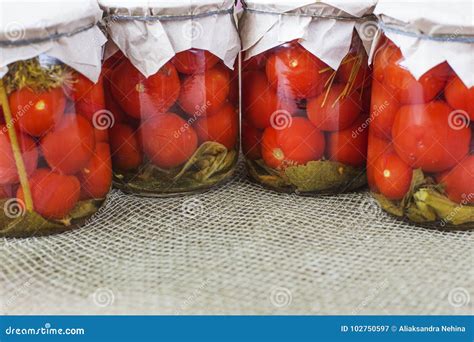
Canning offers shelf-stable tomatoes that are ready for use year-round. This method requires specific equipment and adherence to safety guidelines, but the reward is immense. You can can whole peeled tomatoes, crushed tomatoes, tomato purée, or even salsa. Water bath canning is suitable for high-acid tomatoes or recipes with added acid (like lemon juice), while pressure canning is required for low-acid preparations.
Dehydrating Tomatoes
Dehydrating concentrates the rich flavor of tomatoes, creating delicious sun-dried tomatoes. These can be made in a food dehydrator, a low oven, or even in direct sunlight (in suitable climates). Once dried, store them in airtight containers, or pack them in olive oil with herbs for an extra treat.
Versatile Recipes for Your Abundant Harvest
Many recipes are excellent candidates for scaling up and preserving. Focus on foundational recipes that can be adapted later.
Classic Tomato Sauce/Passata
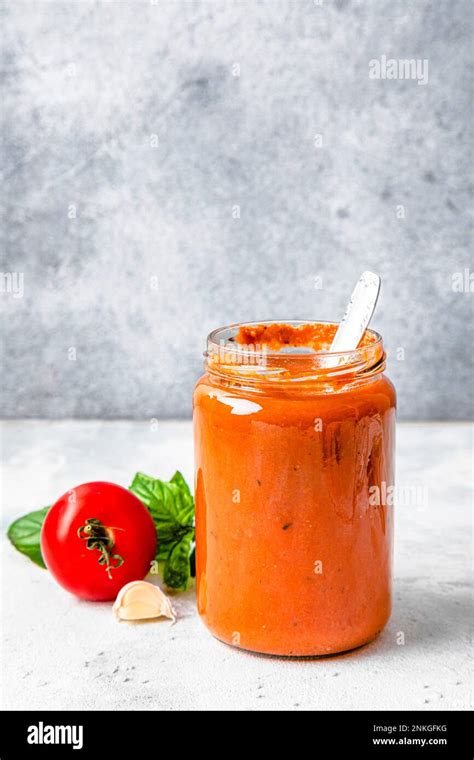
Making a large batch of homemade tomato sauce or passata is a staple for any gardener. This versatile base can be used in pastas, pizzas, stews, and more. Cook down peeled and crushed tomatoes with aromatics like garlic and basil, then portion and freeze or can.
Salsa and Chutneys
For a tangy and spicy preservation, consider making large batches of salsa or tomato chutney. These are excellent for canning and provide a burst of flavor during colder months. Experiment with different peppers, onions, and spices to find your perfect blend.
Tomato Paste or Ketchup
Intensely flavored tomato paste can be made by slowly reducing a purée until it’s thick and concentrated. Homemade ketchup, with its blend of sweet, sour, and savory notes, is another fantastic way to utilize a large harvest. Both require significant cooking time but yield highly versatile and shelf-stable products.
Tips for Efficient Processing
- Set Up an Assembly Line: When dealing with large quantities, streamline your process. Have washing, coring, peeling, and chopping stations.
- Work in Batches: Don’t try to do everything at once. Break down the task over a few days or dedicate specific blocks of time.
- Enlist Help: Many hands make light work! Invite friends or family to help with the processing; it can be a fun communal activity.
- Label Everything: Clearly label all preserved items with the date and contents.

With these strategies, your abundant garden tomatoes will no longer be a fleeting summer pleasure but a year-round culinary delight. Enjoy the satisfaction of stocking your pantry and freezer with homemade goodness, knowing you’ve made the most of nature’s bounty.