

How to easily substitute seasonal garden ingredients in real food recipes?
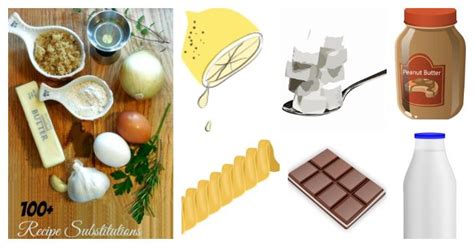
Embracing Culinary Flexibility with Your Garden’s Bounty
One of the greatest joys of gardening is harvesting fresh, seasonal produce. However, sometimes your garden yields an abundance of one ingredient, or you find a recipe calling for something not quite in season. The good news is that with a little know-how, you can effortlessly substitute seasonal garden ingredients into your favorite real food recipes, ensuring delicious meals while minimizing waste and maximizing freshness.
This guide will equip you with the principles and practical tips needed to become a confident ingredient swapper, turning your kitchen into a flexible hub for garden-to-table dining.
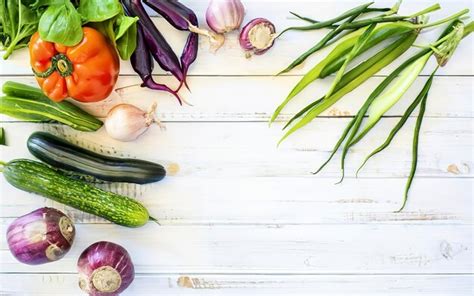
Understanding the Basics: What Makes a Good Substitute?
Successful substitution isn’t just about swapping one vegetable for another; it’s about understanding the role each ingredient plays in a dish. Consider these key attributes:
Flavor Profile
- Sweet: Carrots, sweet potatoes, corn, some squashes.
- Savory/Earthy: Mushrooms, potatoes, parsnips, beets.
- Bitter: Kale, collard greens, radicchio, endive.
- Acidic/Tangy: Tomatoes, citrus, rhubarb.
- Pungent: Onions, garlic, radishes, arugula.
Try to match similar flavor notes when substituting. For instance, swapping a sweet potato for a butternut squash often works well due to their comparable sweetness and starchiness.
Texture and Cooking Method
Texture drastically impacts a dish. Are you looking for something:
- Crunchy: Celery, carrots (raw), radishes.
- Soft/Creamy: Cooked eggplant, zucchini, avocado.
- Starchy: Potatoes, winter squash, corn, peas.
- Watery/Succulent: Cucumbers, lettuce, tomatoes.
Also, consider how the ingredient is typically cooked. A leafy green meant for wilting will behave differently than a root vegetable meant for roasting or mashing.
Common Substitution Categories and Ideas
Here’s a breakdown of common garden categories and ideas for swapping within them:
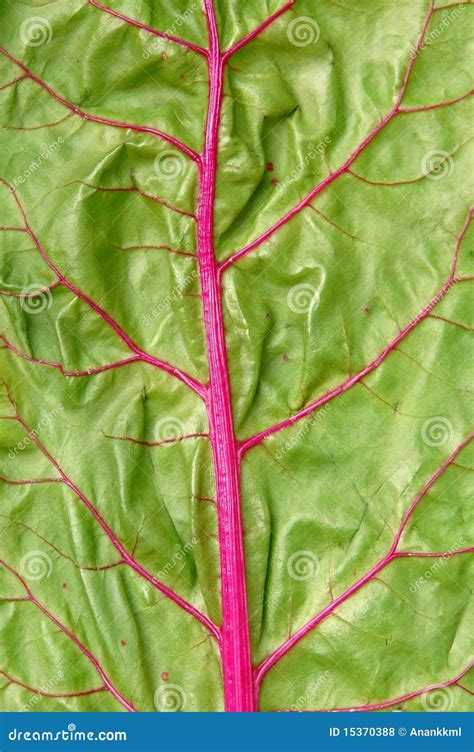
Leafy Greens
Many leafy greens are interchangeable, especially when cooked. Think about their bitterness and tenderness.
- Swap Swiss Chard for: Kale, spinach, collard greens, beet greens. (Adjust cooking time for tougher greens like kale or collards).
- Swap Arugula for: Watercress, baby spinach, mustard greens (if you like a peppery kick).
- Swap Romaine Lettuce for: Butter lettuce, green leaf lettuce, even thinly sliced cabbage in some contexts.
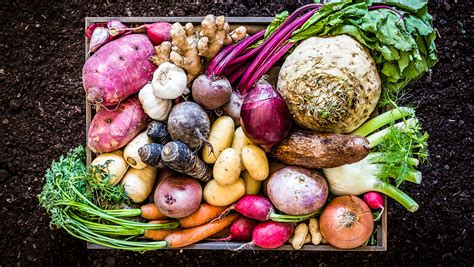
Root Vegetables
Often starchy and earthy, root vegetables are great for roasting, mashing, or adding bulk to stews.
- Swap Carrots for: Parsnips, sweet potatoes (for sweetness), celeriac, daikon radish (cooked).
- Swap Potatoes for: Sweet potatoes, turnips, parsnips, rutabagas. (Consider starch content).
- Swap Beets for: Carrots (for color in some dishes), turnips, or radishes (raw, sliced thinly).
Fruiting Vegetables
These tend to have higher water content and vary widely in flavor.
- Swap Zucchini for: Yellow squash, cucumber (raw applications), eggplant (cooked applications).
- Swap Bell Peppers for: Poblano peppers (milder heat), other colored bell peppers, or even firm tomatoes if texture is less critical.
- Swap Tomatoes for: Roasted red peppers, sun-dried tomatoes (rehydrated), or even a dash of balsamic vinegar for acidity in a pinch.
Herbs
Herbs provide aromatic depth and can often be swapped with similar flavor profiles.
- Swap Basil for: Oregano, marjoram, flat-leaf parsley (in larger quantities).
- Swap Cilantro for: Flat-leaf parsley, dill (for a different but fresh note), or even celery leaves.
- Swap Rosemary for: Thyme, oregano (especially for roasted dishes).
Alliums
The flavor base for many savory dishes.
- Swap Onions for: Shallots, leeks (white and light green parts), green onions (scallions), or dried onion flakes.
- Swap Garlic for: Shallots (milder), garlic powder, or wild ramps.
Practical Tips for Seamless Swaps
- Start Small: When unsure, substitute a smaller portion of the ingredient first and taste.
- Consider the Recipe’s Core: Is the ingredient central to the dish (e.g., tomatoes in marinara) or an accent (e.g., a few carrots in a stir-fry)? Central ingredients require more careful consideration.
- Match Cooking Time: If you’re swapping a quick-cooking vegetable for a slow-cooking one, adjust accordingly. Thinly slice denser vegetables to help them cook faster.
- Embrace Blending: Sometimes, combining two substitutes can achieve a better overall profile than just one.
- Trust Your Palate: Ultimately, cooking is an art. Taste as you go, and don’t be afraid to experiment to find combinations you love.
- Research Flavor Pairings: A quick online search can often reveal classic flavor pairings that will guide your substitutions effectively.

Conclusion: Unlock Your Kitchen’s Full Potential
Substituting seasonal garden ingredients is a valuable skill that not only reduces food waste and embraces local produce but also adds a layer of creativity and adaptability to your cooking. By understanding the fundamental characteristics of your ingredients—flavor, texture, and cooking behavior—you can confidently swap items, making every meal a fresh, delicious reflection of what your garden, or local market, has to offer. So go ahead, experiment, taste, and enjoy the endless possibilities!