
How to effectively manage garden pests using only natural, homestead methods?

For homesteaders and country living enthusiasts, maintaining a vibrant garden free from harmful chemicals is a top priority. Tackling garden pests without resorting to synthetic pesticides not only protects your family and the environment but also fosters a healthier, more resilient ecosystem right in your backyard. Embracing natural, homestead-friendly pest management means working with nature, not against it, to ensure bountiful harvests.
Building a Resilient Garden Ecosystem
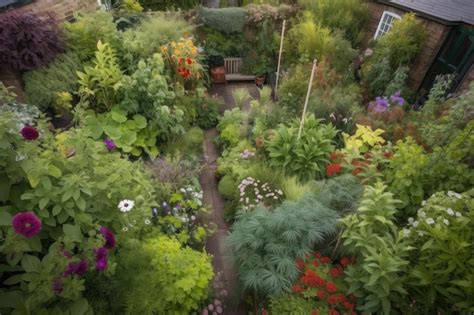
The first line of defense against pests is a strong, healthy garden. Plants grown in rich, living soil with adequate nutrients and water are naturally more resistant to disease and insect attacks. Focus on soil health through composting, mulching, and avoiding compaction. Diversify your plantings to create a complex environment that discourages pest monocultures and attracts beneficial organisms.
The Power of Companion Planting
One of the oldest and most effective natural pest control methods is companion planting. Certain plants, when grown together, can deter pests, attract beneficial insects, or improve the growth of their neighbors. Marigolds, for instance, are renowned for repelling nematodes and other soil pests. Nasturtiums can act as a trap crop, luring aphids away from more valuable plants. Herbs like basil, rosemary, and mint also have strong repellent properties.
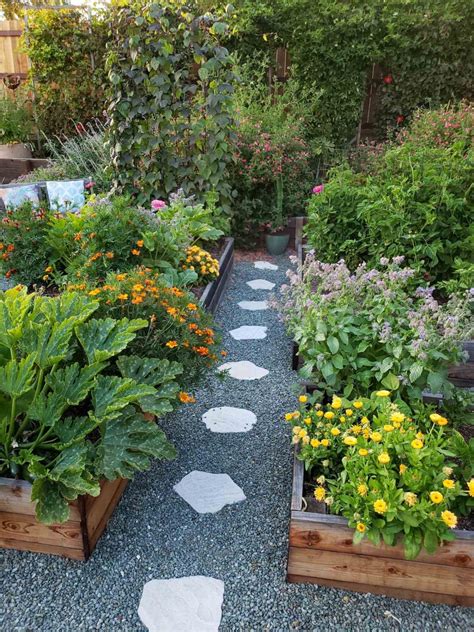
- Marigolds: Repel nematodes, whiteflies, and other soil-borne pests.
- Nasturtiums: Attract aphids away from other plants, acting as a trap crop.
- Basil: Deters flies and mosquitoes; can improve tomato growth.
- Garlic & Onions: Repel aphids, slugs, and Japanese beetles.
- Borage: Attracts pollinators and predatory wasps, repels tomato hornworms.
Harnessing Beneficial Insects
Welcome allies into your garden! Many insects are natural predators of common garden pests. Ladybugs devour aphids, lacewings feast on mealybugs and spider mites, and parasitic wasps target caterpillars. To encourage these helpful creatures, provide them with habitat and food sources by planting a variety of flowering plants, especially those with small flowers like dill, fennel, and cosmos. Avoid broad-spectrum pesticides, which can harm beneficial populations.

Physical Barriers and Manual Removal
Sometimes, the simplest methods are the most effective. Physical barriers can prevent pests from reaching your plants. Row covers made of fine netting can protect young seedlings from flying insects. Copper tape around raised beds deters slugs and snails. For larger pests, fencing can keep out rabbits and deer.
Manual removal is a hands-on approach that’s particularly effective for localized infestations. Inspect your plants regularly and simply pick off larger pests like hornworms or squash bugs. Drop them into a bucket of soapy water. For aphids or spider mites, a strong spray of water can dislodge them.
Homemade Sprays and Repellents
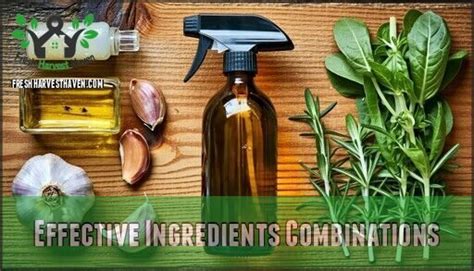
When an infestation requires more than a gentle deterrent, natural sprays can provide targeted relief without harsh chemicals. Always test these on a small portion of the plant first to ensure no adverse reactions.
- Neem Oil Spray: A powerful natural insecticide and fungicide derived from the neem tree. It disrupts insect feeding and reproduction.
- Garlic Spray: Crush garlic cloves, steep in water, and strain. The pungent odor repels many insects.
- Soap Spray: Mix a few drops of mild dish soap (not detergent) with water. This smothers soft-bodied insects like aphids and whiteflies.
- Hot Pepper Spray: Blend hot peppers with water and a tiny bit of soap. The capsaicin acts as an irritant.
Crop Rotation and Garden Hygiene
Preventative measures are crucial. Rotating crops each season prevents pests specific to certain plant families from building up in the soil. For example, if you plant tomatoes in the same spot year after year, you risk a buildup of tomato-specific diseases and pests. Good garden hygiene also plays a vital role: promptly remove diseased plant material, fallen leaves, and weeds, which can harbor pests and diseases.
Effectively managing garden pests with natural, homestead methods is a continuous learning process that rewards patience and observation. By understanding the intricate balance of your garden’s ecosystem and implementing these sustainable strategies, you’ll cultivate not just a pest-free space, but a thriving, healthy environment for years to come. Embrace these natural solutions and watch your garden flourish.