How to enrich garden soil naturally for better veggie yields?
The foundation of a thriving vegetable garden isn’t just sunlight and water; it’s healthy, nutrient-rich soil. Naturally enriching your garden soil not only boosts your veggie yields but also creates a sustainable, resilient ecosystem in your backyard. Forget chemical shortcuts – the best methods are those that mimic nature’s own processes, building soil structure and fertility over time.
The Power of Composting
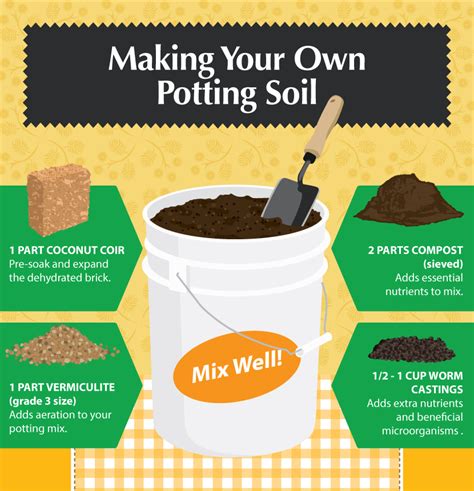
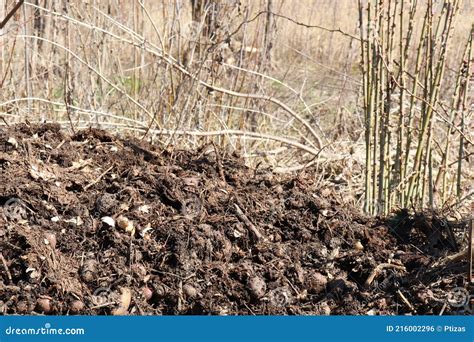
Compost is often called “black gold” for a reason. It’s a rich, organic material created from decomposed plant and food waste, packed with essential nutrients and beneficial microbes. Incorporating compost improves soil structure, aeration, drainage, and water retention, making nutrients more available to plant roots.
Start a compost pile with kitchen scraps (fruit and vegetable peels, coffee grounds), yard waste (leaves, grass clippings, small twigs), and shredded newspaper. Turn it regularly to aerate, and keep it moist. This simple practice diverts waste from landfills while providing invaluable organic matter for your garden.
Embrace Cover Cropping
Cover crops, also known as “green manure,” are plants grown specifically to benefit the soil rather than for harvest. Sown in off-seasons or between main crops, they prevent erosion, suppress weeds, add organic matter when tilled under, and fix nitrogen in the soil (legumes like clover or vetch).
Popular cover crops include oats, rye, clover, and buckwheat. Choosing the right cover crop depends on your climate and specific soil needs. They are a fantastic way to keep your soil alive and active year-round, contributing to long-term soil health and productivity without synthetic inputs.

The Magic of Mulching
Applying a layer of organic mulch, such as straw, shredded leaves, wood chips, or grass clippings, around your plants offers numerous benefits. Mulch conserves soil moisture by reducing evaporation, suppresses weed growth, regulates soil temperature, and slowly breaks down to add organic matter and nutrients to the soil over time.
Aim for a 2-4 inch layer, keeping it a few inches away from plant stems to prevent rot. As the mulch decomposes, earthworms and microbes work to incorporate its goodness directly into your garden beds, creating a thriving underground ecosystem that supports robust plant growth.

Vermicomposting: Worm Power
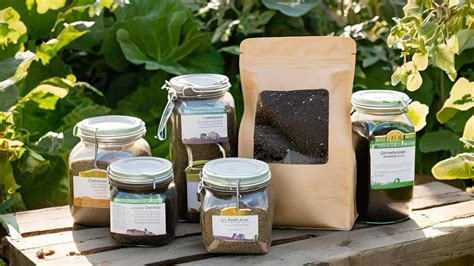
For a highly concentrated and nutrient-rich soil amendment, consider vermicomposting. Red wigglers and other composting worms consume organic waste and excrete “worm castings,” which are incredibly beneficial for plant growth. These castings are rich in humic acids, beneficial microbes, and readily available plant nutrients.
A small worm bin can be kept indoors or out, turning kitchen scraps into a potent soil booster. Mixing worm castings into your potting mix or top-dressing your garden beds can significantly improve plant vigor, resistance to disease, and overall yield, making your vegetables healthier and more abundant.

Incorporating Other Organic Amendments
Beyond the main methods, several other natural amendments can provide targeted nutrients and improve soil health:
- Aged Manure: From cows, chickens, or horses, aged manure is an excellent source of nitrogen and other trace minerals. Always use aged or composted manure to avoid burning plants with excessive nitrogen or introducing pathogens.
- Bone Meal: A slow-release source of phosphorus, essential for strong root development and abundant flowering/fruiting.
- Blood Meal: Provides a quick boost of nitrogen, great for leafy greens that need rapid growth.
- Kelp Meal: Contains a wide array of micronutrients and growth hormones, beneficial for overall plant health and stress resistance.
- Rock Dust/Azomite: Adds a broad spectrum of trace minerals that may be depleted in your soil, enhancing nutrient availability.
Building healthy, fertile soil is an ongoing process, not a one-time task. By consistently applying natural methods like composting, cover cropping, mulching, and incorporating organic amendments, you’ll not only see a remarkable improvement in your vegetable yields but also foster a more resilient and vibrant garden ecosystem. Invest in your soil, and it will abundantly repay you with delicious, homegrown produce for years to come.