How to enrich heavy clay soil naturally for a high-yield homestead veggie garden?
Unlocking the Potential of Heavy Clay Soil
Heavy clay soil, often seen as a gardener’s bane, can actually be a boon for a homestead vegetable garden if managed correctly. While its density and poor drainage can pose significant challenges, clay naturally holds onto nutrients and moisture like a sponge. The key to transforming this often-frustrating earth into a high-yield growing medium lies in consistent, natural enrichment, focusing on improving its structure and promoting a thriving microbial ecosystem.
The Cornerstone: Abundant Organic Matter
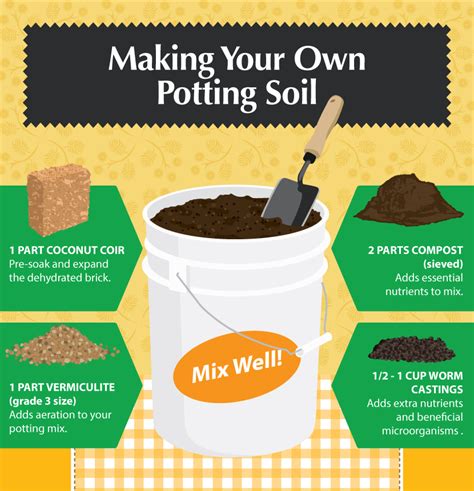
The most effective and natural way to improve heavy clay soil is through the generous and continuous incorporation of organic matter. Organic materials act like microscopic sponges, loosening the tight clay particles, improving aeration, enhancing drainage, and providing a slow-release buffet of nutrients for your plants. This fundamental change not only makes the soil easier to work but also fosters a healthy environment for beneficial soil organisms.
Compost: Your Garden’s Best Friend
Regularly amending your clay soil with well-rotted compost is paramount. Compost, rich in decomposed organic material, directly improves soil structure by creating aggregates, which are clusters of soil particles. This process reduces compaction, increases porosity, and allows roots to penetrate more easily. Aim to incorporate a 2-4 inch layer of compost into the top 6-12 inches of your garden beds annually, ideally in fall or early spring. You can also top-dress established plants throughout the season.
Cover Crops: Nature’s Soil Builders
When garden beds are not in active vegetable production, planting cover crops is an excellent strategy for soil improvement. Legumes like clover or vetch fix nitrogen, while grasses like rye or oats produce extensive root systems that penetrate and break up compacted clay. When these crops are tilled or chopped and dropped into the soil before flowering, they add significant organic matter, suppress weeds, and prevent erosion. This living mulch approach is a long-term investment in soil health.

Mulching for Moisture and Microbes
Applying a thick layer of organic mulch (such as straw, wood chips, or shredded leaves) around your vegetable plants offers multiple benefits for clay soil. Mulch conserves moisture, moderates soil temperature, and, most importantly, slowly breaks down to add continuous organic matter to the soil surface. This surface application encourages earthworms and other beneficial organisms to pull the organic material deeper into the soil, further improving structure without disturbance.
Other Natural Amendments and Techniques
Gypsum: A Targeted Solution
While not organic matter, gypsum (calcium sulfate) can be a useful natural amendment for specific types of heavy clay soil, particularly those with high sodium levels. Gypsum helps to flocculate (clump together) clay particles, improving drainage. However, it doesn’t add organic matter or nutrients and should be used judiciously, preferably after a soil test confirms its necessity. A general application rate is around 5-10 pounds per 100 square feet, worked into the topsoil.
Biochar: Long-Term Soil Enhancement
Biochar, a charcoal-like substance made from biomass pyrolysis, can offer long-term benefits to clay soil. Its porous structure provides an ideal habitat for beneficial microbes, improves water and nutrient retention, and enhances soil aeration. When mixed with compost before application, biochar can significantly boost the overall health and productivity of your garden over many years.

Cultivation Strategies for Clay
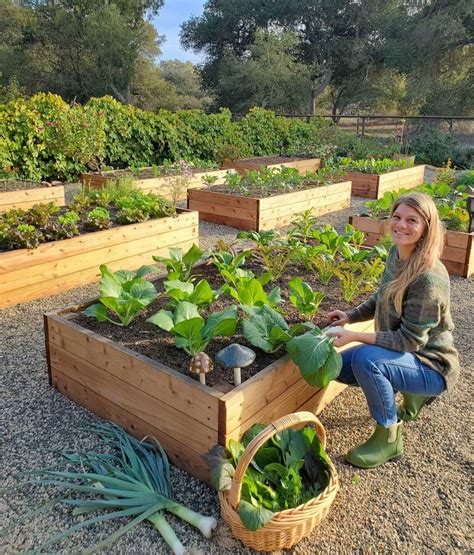
- Raised Beds: Building raised beds filled with a mix of good topsoil and ample organic matter is an immediate solution for overcoming clay challenges.
- No-Dig Gardening: Minimizing soil disturbance, combined with heavy mulching and compost applications, allows soil structure to develop naturally over time.
- Proper Watering: Clay soil holds water well but drains slowly. Water deeply but infrequently to encourage deep root growth and prevent waterlogging.
- Avoid Compaction: Never work clay soil when it’s wet, as this will lead to severe compaction. Use dedicated pathways to avoid stepping on garden beds.
The Long Game: Consistent Care for Lasting Fertility
Enriching heavy clay soil is not a one-time task but an ongoing process. Each season, as you add compost, plant cover crops, and maintain a generous layer of mulch, you’ll witness a gradual transformation. The soil will become darker, more crumbly, drain better, and support more robust plant growth. Patience and consistent application of these natural methods will reward you with a fertile, high-yielding homestead vegetable garden that thrives for years to come.

Conclusion: Cultivating Success from Clay
Transforming challenging heavy clay soil into a fertile haven for a high-yield homestead vegetable garden is entirely achievable through consistent natural enrichment methods. By embracing the power of organic matter—through compost, cover crops, and mulch—and complementing these with thoughtful amendments like gypsum or biochar and careful cultivation practices, you can unlock the full potential of your garden. Embrace the journey of soil improvement, and your homestead will flourish with an abundance of homegrown produce.