How to extend your garden harvest for year-round fresh food?
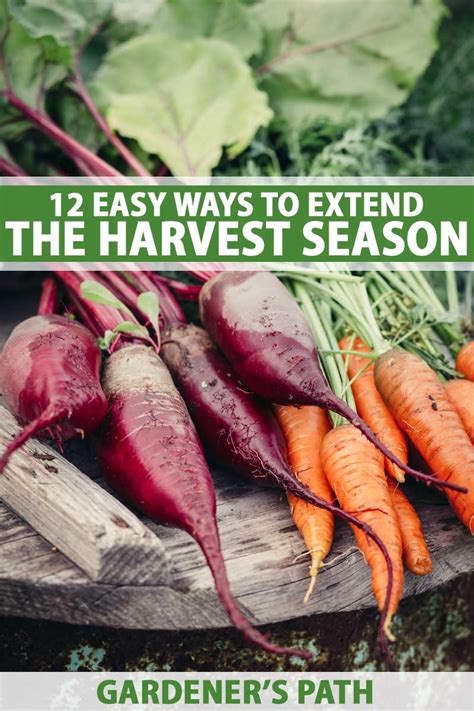
Imagine plucking fresh greens from your garden in winter or enjoying your own tomatoes in the dead of January. Extending your garden harvest beyond the typical growing season isn’t just a dream; it’s an achievable goal for any dedicated gardener. With a combination of smart planning, effective techniques, and a little bit of ingenuity, you can transform your garden into a continuous source of fresh, healthy food year-round. Let’s explore the methods that will help you enjoy your bounty for months, not just weeks.
Mastering Succession Planting and Crop Rotation
One of the simplest yet most effective ways to extend your harvest is through succession planting. Instead of planting all your lettuce or radishes at once, sow small batches every two to three weeks. This ensures a continuous supply as one batch matures while another is just starting. For longer-yielding crops like beans or corn, planting varieties with different maturity dates can also stagger your harvest.
Coupled with succession planting, intelligent crop rotation prevents nutrient depletion and reduces pest and disease build-up. By rotating where you plant specific crop families each season, you maintain soil health and promote vigorous growth, contributing to a longer, more productive harvest.

Embracing Season Extension Techniques
Don’t let frost or cold weather dictate the end of your gardening season. Simple season extension techniques can significantly prolong your harvest, sometimes even into the heart of winter. Row covers, cold frames, and low tunnels act as mini-greenhouses, protecting plants from harsh temperatures, wind, and pests while allowing sunlight to warm the soil.
For more ambitious gardeners, a hoop house or a small greenhouse can provide an even more controlled environment, enabling you to grow cool-season crops like spinach, kale, and lettuce well into winter, and get a head start on warm-season crops in early spring. Even insulating your plants with straw mulch can offer critical protection for root crops.
Strategic Variety Selection
The secret to a prolonged harvest often lies in the varieties you choose. Opt for ‘bolt-resistant’ varieties of lettuce and spinach for summer planting, which are less likely to go to seed quickly in heat. For fall and winter, select ‘cold-hardy’ vegetables such as specific varieties of kale, collards, and Brussels sprouts that actually taste sweeter after a light frost.
Consider ‘everbearing’ varieties of strawberries or raspberries that produce fruit throughout the summer rather than just a single flush. Furthermore, exploring ‘day-neutral’ varieties of certain crops can mean consistent production regardless of day length, further extending your fresh food supply.

The Art of Food Preservation
Even with the best extension techniques, there will inevitably be gluts during peak season. This is where food preservation becomes invaluable. Canning, freezing, drying, and fermenting are time-honored methods that allow you to store your excess harvest for months or even years.
- Freezing: Ideal for many vegetables (blanch first!) and fruits.
- Canning: Perfect for tomatoes, jams, pickles, and larger quantities of produce.
- Drying: Excellent for herbs, fruits, and even some vegetables like tomatoes and peppers.
- Fermenting: Creates delicious and probiotic-rich foods like sauerkraut and kimchi from cabbage and other vegetables.
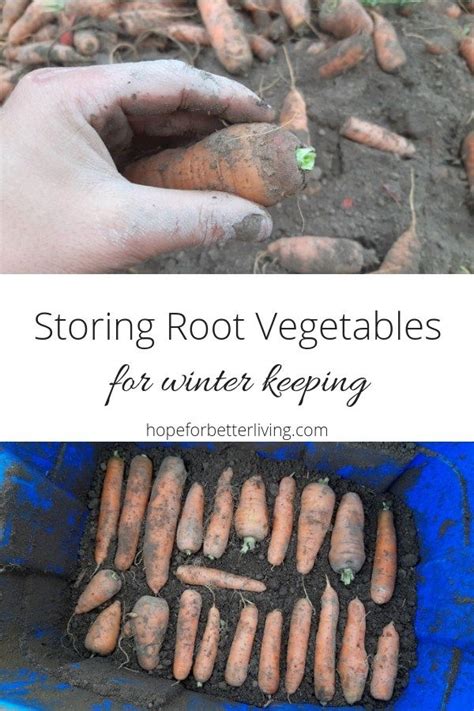
- Root Cellaring: For crops like potatoes, carrots, apples, and onions, a cool, dark, and humid storage space can keep them fresh for extended periods.

Maximizing Space with Vertical and Container Gardening
Don’t have a vast garden plot? Vertical gardening and container gardening can significantly boost your output, allowing you to grow more in less space. Trellises, vertical planters, and hanging baskets are excellent for vining plants like cucumbers, pole beans, and even some squash. This not only maximizes your growing area but also improves air circulation and can reduce pest issues.
Containers offer flexibility; you can move plants indoors or to a more sheltered spot when cold weather threatens. Many herbs, leafy greens, peppers, and even dwarf fruit trees thrive in pots, making fresh produce accessible even on a small patio or balcony.

Year-Round Freshness is Within Reach
Extending your garden harvest for year-round fresh food is an incredibly rewarding endeavor. By implementing succession planting, utilizing season extension tools, choosing the right plant varieties, mastering preservation techniques, and making smart use of your space, you can enjoy the unparalleled taste and nutrition of homegrown produce every single day. Start small, experiment with different methods, and soon you’ll be reaping the benefits of a truly bountiful, extended harvest.