How to extend your organic garden harvest into fall naturally?
Embrace Cool-Season Wonders
As summer’s heat begins to wane, many gardeners feel a twinge of sadness, thinking their harvest season is nearing its end. However, with a bit of planning and natural ingenuity, you can coax your organic garden to continue yielding fresh produce deep into the fall. The key lies in understanding which plants thrive in cooler temperatures and implementing simple, effective strategies.
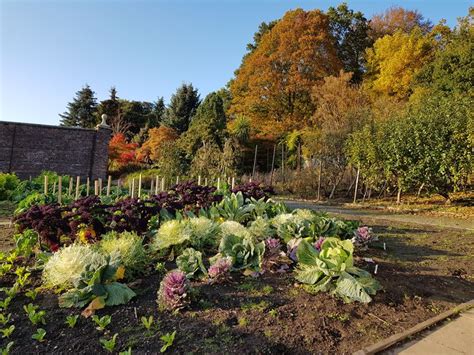
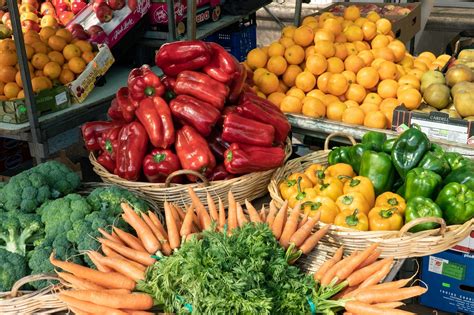
Begin by shifting your focus to cool-season vegetables. These hardy plants not only tolerate but often prefer the crisp air and shorter days of autumn. Leafy greens like spinach, lettuce (especially romaine and butterhead varieties), arugula, and kale are excellent choices. Root vegetables such as carrots, beets, radishes, and turnips sweeten up with a touch of frost. Broccoli, cabbage, and Brussels sprouts are also superb fall crops that can withstand surprisingly low temperatures, often tasting even better after a light frost.
The Art of Succession Planting
One of the most effective ways to extend your harvest is through succession planting. This involves staggering your plantings throughout the season, rather than sowing everything at once. For fall harvest, start new seeds of cool-season crops in late summer or early fall. Check your local frost dates and count backward using the plant’s ‘days to maturity’ to determine optimal planting times.
For example, if you want a continuous supply of lettuce, sow a small batch every 2-3 weeks. As one patch finishes, another is ready to take its place. This strategy ensures a steady supply of fresh vegetables and makes the most efficient use of your garden space. It’s particularly effective for quick-growing crops like radishes and many leafy greens.
Strategic Crop Protection
Even hardy fall crops will eventually succumb to hard freezes. To push your harvest further, implement simple, natural protection methods. Row covers are an organic gardener’s best friend. These lightweight fabrics can be draped over hoops or directly over plants to create a microclimate that raises temperatures by several degrees and protects against frost, wind, and pests. They allow sunlight and water to penetrate while insulating your crops.
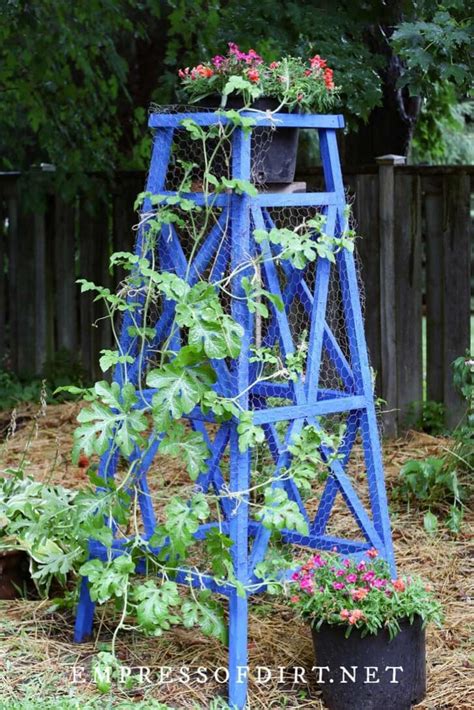
Another excellent option is the use of cold frames or cloches. Cold frames are essentially bottomless boxes with a transparent lid (often made of old windows) placed over a garden bed. They capture solar heat during the day and release it slowly at night, providing significant protection. Individual cloches (bell-shaped covers) can be used for single plants. Even a simple layer of straw or fallen leaves as mulch around the base of plants can offer crucial insulation to roots.
Nurturing Your Soil and Watering Wisely
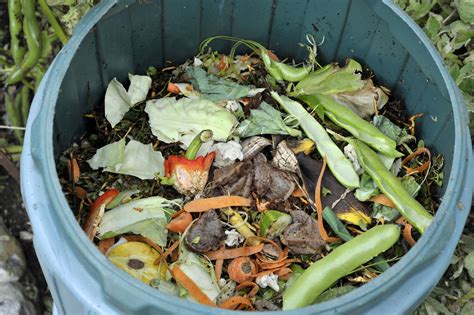
Healthy soil is the foundation of any thriving organic garden, regardless of the season. As you transition into fall planting, replenish your garden beds with rich compost and other organic matter. This provides essential nutrients for your new crops and improves soil structure, which is crucial for root development in cooler temperatures. Good soil drainage is especially important in fall to prevent waterlogging.
While cooler temperatures mean less evaporation, consistent watering is still vital. Fall plants need adequate moisture, especially if they are actively growing or if you’ve had a dry spell. Water deeply in the morning so the plants have time to absorb the moisture before temperatures drop overnight, reducing the risk of fungal diseases and frost damage to wet foliage.
Optimizing Your Harvest Techniques
The way you harvest can also influence how long your plants produce. For leafy greens like lettuce, spinach, and kale, practice ‘cut and come again’ harvesting. Instead of pulling the entire plant, snip off the outer leaves, allowing the inner leaves to continue growing. This encourages the plant to produce new growth, extending its productivity for weeks or even months.
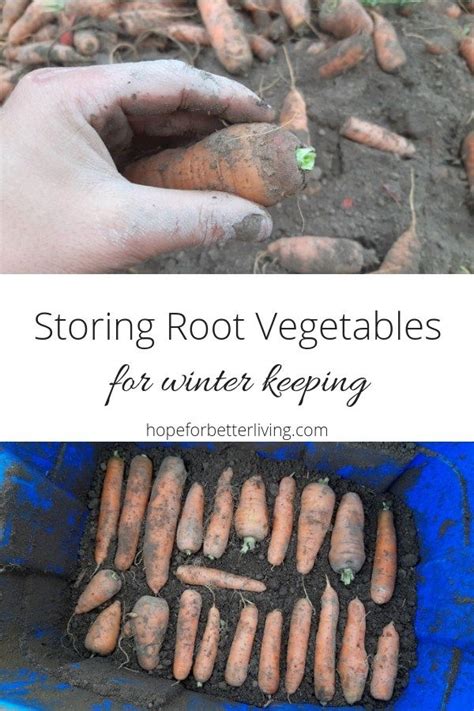
For root vegetables, harvest them as needed rather than all at once. Carrots, beets, and turnips can often be left in the ground until the soil freezes hard, provided they are mulched. This acts as natural storage and can even improve their flavor. Regularly checking your plants and harvesting promptly prevents over-ripening and signals to the plant to produce more.
Conclusion: A Continuous Cycle of Abundance
Extending your organic garden harvest into fall naturally is a rewarding endeavor that connects you more deeply with the rhythms of nature. By choosing the right crops, practicing succession planting, providing simple protection, nurturing your soil, and employing smart harvesting techniques, you can enjoy a continuous bounty of fresh, homegrown produce long after the typical growing season ends. Your autumn garden can be just as vibrant and productive as your summer one, offering a testament to the enduring power of natural gardening principles.