How to extend your vegetable garden harvest into fall naturally?

As summer’s warmth begins to wane, many gardeners feel a pang of sadness at the thought of their bountiful vegetable patches winding down. However, with a bit of foresight and adherence to natural gardening principles, you can significantly prolong your harvest, enjoying fresh, homegrown produce well into the crisp days of fall. Extending your garden’s season isn’t about complex installations or artificial environments; it’s about working with nature, understanding plant cycles, and providing simple, effective support.
Embrace Cold-Hardy Varieties
The first step to a successful fall harvest is selecting the right plants. Many vegetables thrive in cooler temperatures, and some even taste sweeter after a light frost. Focus on crops known for their cold tolerance.
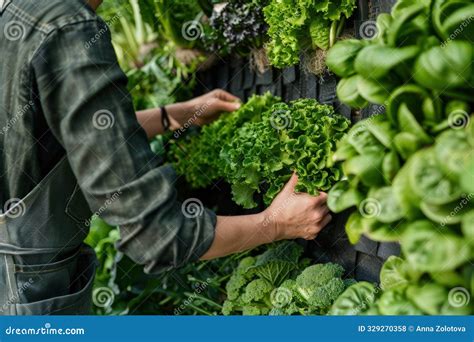
- Leafy Greens: Spinach, kale, collards, Swiss chard, arugula, and various lettuces can withstand surprisingly low temperatures. Many will continue to produce even after several light frosts.
- Root Vegetables: Carrots, beets, radishes, and turnips not only tolerate cooler soil but often develop a richer flavor when grown in the fall.
- Brassicas: Broccoli, cabbage, and Brussels sprouts are classic fall vegetables, requiring cooler weather to mature properly.
- Herbs: Parsley, cilantro, and chives are often more robust in the fall than in the heat of summer.
When selecting seeds or starts for fall planting, look for varieties specifically bred for quick maturity or cold hardiness.
Master the Art of Succession Planting
Succession planting is key to a continuous harvest. Rather than planting all your crops at once, stagger your plantings every few weeks. For fall extension, this means planning second or even third plantings of quick-maturing crops in late summer or early fall.
- Timely sowings: For crops like bush beans, radishes, and lettuce, sow new batches every 2-3 weeks. Calculate your planting dates by counting backward from your average first frost date, considering the ‘days to maturity’ for each variety.
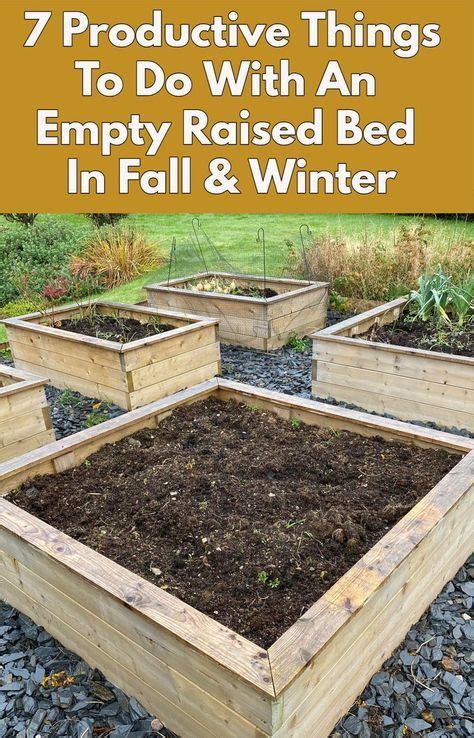
- Utilize empty space: As early summer crops like peas or early potatoes finish producing, prepare the beds and immediately replant with fall-appropriate vegetables. Don’t let valuable garden real estate sit idle.
- Choose fast growers: Focus on varieties that mature quickly, especially if you’re planting later in the season.
Effective succession planting requires good record-keeping and a little planning, but it’s one of the most natural ways to maximize your garden’s output.
Simple Strategies for Season Extension
While artificial heating isn’t natural, there are many simple, natural methods to create a microclimate that can protect your plants from early frosts and keep the soil warmer.
- Mulching: A thick layer of organic mulch (straw, leaves, wood chips) around plants insulates the soil, helping to retain warmth and moisture. It also suppresses weeds and enriches the soil as it breaks down.
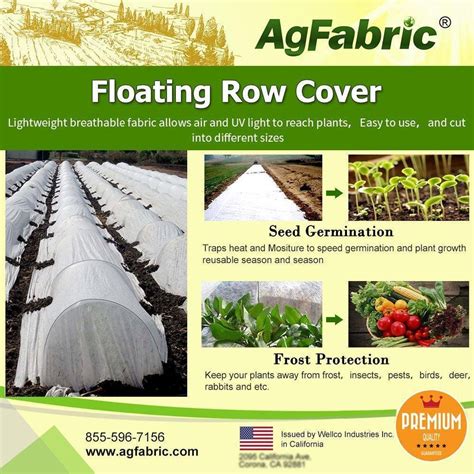
- Row Covers: Lightweight fabric row covers draped over hoops or directly over plants can raise the ambient temperature by a few degrees, protecting plants from light frost while still allowing light and water to penetrate.
- Cold Frames: A simple cold frame, essentially a bottomless box with a transparent lid, can be made from reclaimed materials. It’s excellent for protecting small beds of greens, keeping them harvestable through colder periods.
- Cloches: Individual plant covers (cloches) can be made from repurposed plastic jugs or glass jars, offering protection to single plants or small clusters.
Nourish Your Soil for Late-Season Success
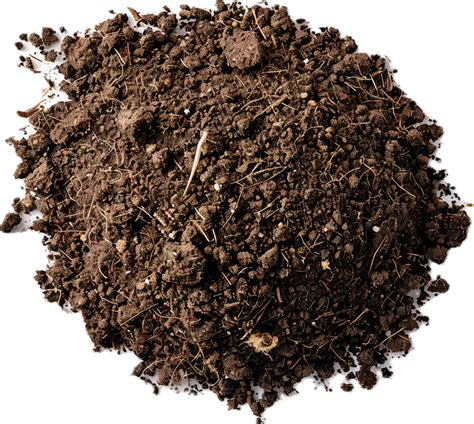
Healthy soil is the foundation of any productive garden, and it’s especially crucial for fall crops. Plants growing in rich, living soil are generally more resilient and better equipped to handle changing conditions.
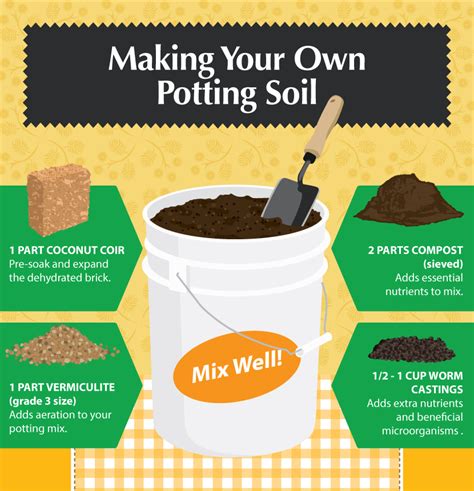
- Compost Power: Before planting fall crops, amend your soil with a generous layer of finished compost. This provides a slow release of nutrients and improves soil structure, drainage, and water retention.
- Avoid chemical fertilizers: Stick to organic soil amendments. Healthy soil biome will naturally provide nutrients for your plants.
- Proper Watering: While fall often brings more rain, keep an eye on soil moisture, especially for newly planted seeds or seedlings. Water deeply in the morning so foliage has time to dry before evening, reducing fungal issues.
Smart Harvesting for Continuous Yields
How you harvest can also impact your fall garden’s longevity. For many leafy greens, cut-and-come-again harvesting techniques encourage continuous production.
- Harvest outer leaves: For plants like kale, chard, and lettuce, harvest the older, outer leaves, allowing the inner leaves to continue growing.
- Don’t overharvest: Leave enough foliage on the plant for it to continue photosynthesizing and regenerating.
- Know when to let go: Eventually, even the most cold-hardy plants will succumb to sustained hard freezes. Enjoy your harvests while they last, and then prepare your beds for winter.
By implementing these natural and thoughtful strategies, you can significantly extend your vegetable garden’s productivity, providing fresh, healthy produce for your table well into the autumn months. It’s a rewarding way to maximize your garden’s potential and connect more deeply with the changing seasons.