
How to find and cook local, real food on a rustic travel budget?
Embrace the Local Palate on a Shoestring
Traveling on a budget doesn’t mean sacrificing the joy of authentic culinary experiences. In fact, it often forces you to dive deeper into local culture, bypassing tourist traps for genuine flavors. Eating local, real food not only offers a richer cultural immersion but is also often more cost-effective and healthier than relying on restaurant meals. This guide will help you navigate the world of local ingredients and simple cooking methods, ensuring your rustic travel adventure is deliciously satisfying without breaking the bank.
Hunting for Culinary Treasures: Finding Local Ingredients
Hit the Markets First
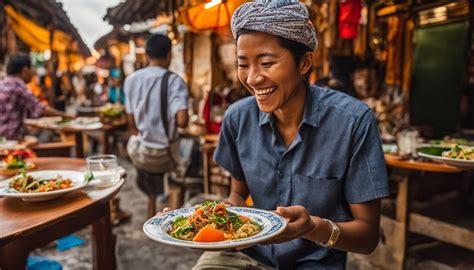
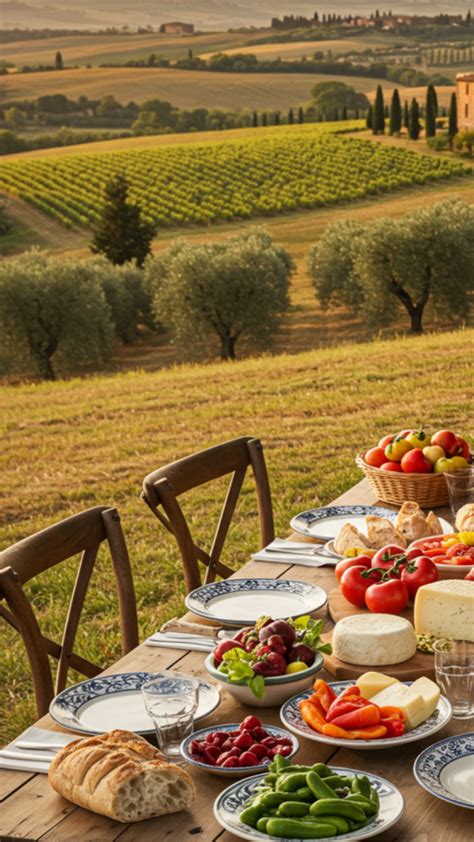
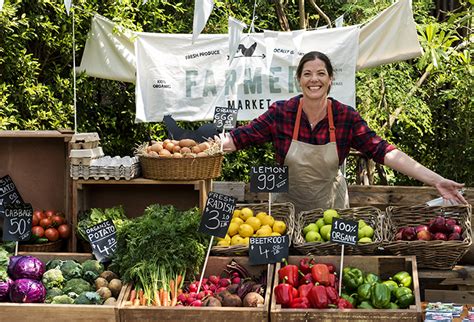
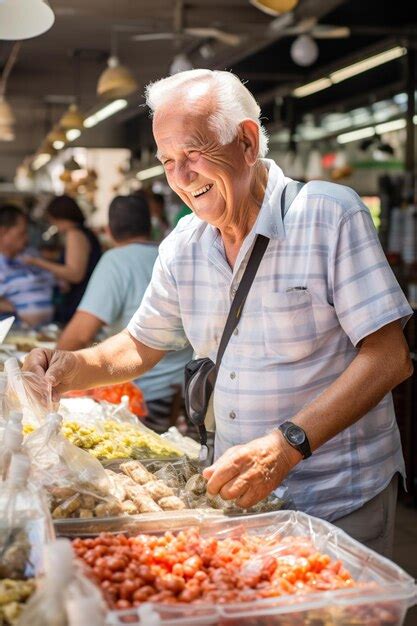
Your first stop in any new town should be the local market. Farmers’ markets, street markets, and even small town squares are vibrant hubs for fresh produce, meats, cheeses, and baked goods. You’ll find seasonal ingredients, often directly from the producers, at significantly lower prices than supermarkets. Engage with vendors; they’re often happy to share tips on how to prepare their goods or suggest local specialties.
Beyond the Market Stalls
- Small Local Shops: Seek out independent butchers (boucheries), bakeries (boulangeries), fishmongers (poissonneries), and greengrocers. These specialized stores often offer superior quality and expert advice.
- Asking Locals: Don’t be shy! A friendly inquiry to a hostel owner, guesthouse host, or even fellow travelers can lead you to hidden culinary gems or the best places to buy specific items.
- Roadside Stands: Keep an eye out for roadside stands, especially in rural areas, offering freshly picked fruits, vegetables, or homemade preserves.
Your Mobile Kitchen: Cooking on the Go
You don’t need a gourmet kitchen to create delicious meals. A basic, portable cooking kit and a willingness to get creative are all you require.

Essential Gear for the Budget Backpacker
- Multi-Tool Knife: A good, sharp knife is invaluable.
- Small Cutting Board: A lightweight, flexible one works wonders.
- Portable Stove & Fuel: A small camping stove (gas or solid fuel) is perfect for hot meals.
- Single Pot/Pan: A lightweight pot or small pan suitable for boiling, simmering, and light frying.
- Basic Utensils: A spoon, fork, and perhaps a spatula.
- Reusable Container: For storing leftovers or packing lunches.
Where to Cook?
- Hostel Kitchens: Many hostels provide communal kitchens. This is an excellent opportunity to cook, save money, and meet other travelers.
- Guesthouses/Airbnbs: Look for accommodations that include kitchen access.
- Camping Sites: Ideal for using your portable stove.
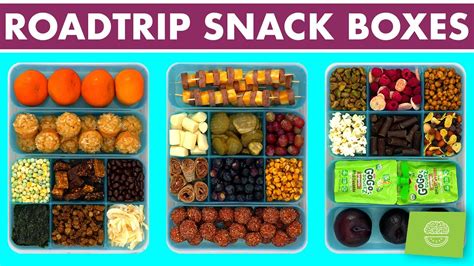
- Picnic Spots: Simple sandwiches, salads, or pre-cooked items can be enjoyed almost anywhere.

Mastering Budget-Friendly Meal Prep
Simplicity is key when cooking on a rustic budget. Focus on versatile ingredients and one-pot wonders.
Simple Recipe Ideas
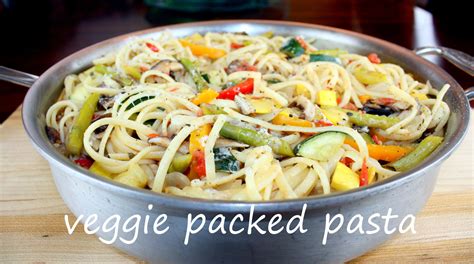
- Pasta or Noodles with Fresh Veggies: Boil pasta, sauté local vegetables with garlic and herbs. Add an egg or some local cheese for protein.
- Hearty Salads: Combine fresh greens, market vegetables, canned legumes (chickpeas, lentils), a local cheese, and perhaps some hard-boiled eggs. Dress with olive oil and vinegar.
- Sandwiches & Wraps: Local bread, cheese, cured meats, and fresh vegetables make for quick, satisfying meals.
- Oatmeal/Porridge: A cheap and filling breakfast, especially with local fruits and nuts.
Tips for Sustainable & Safe Eating
- Buy Seasonal: Seasonal produce is always cheaper and tastes better.
- Minimize Waste: Buy only what you need. Leftovers can become tomorrow’s lunch. Bring reusable bags and containers.
- Food Hygiene: Always wash hands, fruits, and vegetables thoroughly. Cook meats to safe temperatures.
- Water Safety: Invest in a water filter bottle or purification tablets to avoid buying bottled water, saving money and reducing plastic waste.
Embracing local food on a budget is more than just saving money; it’s about enriching your travel experience. It connects you directly with the culture, the people, and the land, creating unforgettable culinary memories far beyond any restaurant meal.