



How to find local, real food & avoid tourist traps while exploring country towns?

Exploring country towns offers a delightful escape from the hustle and bustle, often promising picturesque landscapes, unique local culture, and a slower pace of life. However, for the discerning traveler, finding truly authentic, local food – the kind that reflects the heart and soul of the region – can be a challenge amidst the inevitable tourist traps. This guide will help you navigate these charming locales like a seasoned explorer, ensuring your culinary adventures are as genuine as your journey.
Research Before You Go
Your quest for real food begins even before you pack your bags. While major travel sites often highlight popular spots, they can also lead you to establishments designed purely for tourists. Instead, dig deeper:
- Local Blogs & Forums: Search for food blogs specific to the region or town you’re visiting. Local residents often share hidden gems.
- Social Media Groups: Join Facebook groups or online communities dedicated to the town or area. Ask for recommendations from people who live there.
- Niche Publications: Look for regional magazines, agricultural society newsletters, or small-town newspapers online. These often feature local producers, farmers’ markets, and family-run eateries.

Engage with Locals Upon Arrival
Once you arrive, your best resource is the people who call the town home. Don’t be shy; strike up conversations:
- Ask Shopkeepers: The owner of a hardware store, a local baker, or a barista at an independent coffee shop are excellent sources. They know the town’s pulse.
- Librarians & Museum Staff: These community pillars often have deep knowledge of local history and culture, including where to find the best traditional food.
- Gas Station Attendants: Often overlooked, these individuals interact with a wide range of locals and can point you to the best ‘no-frills’ places.
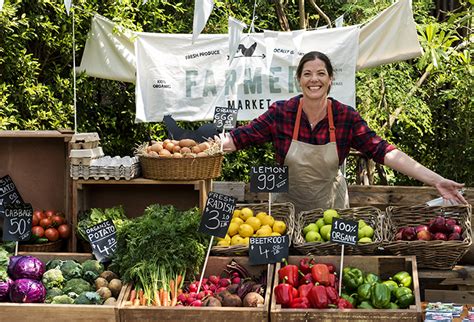
- Farmers’ Market Vendors: If you find a market, ask the producers not just about their goods, but where they like to eat out.
Spotting the Real Deal: Food Indicators
When you’re walking around, keep an eye out for these tell-tale signs of an authentic eating establishment:
- Limited, Seasonal Menus: Restaurants with fewer items on the menu, especially those that change seasonally, often focus on fresh, high-quality ingredients.
- Local Specialities Prominently Featured: Look for dishes that highlight ingredients or culinary traditions unique to the region, not just generic fare.
- Crowded with Locals: An obvious but effective indicator. If you see more locals than tourists, you’re likely in the right place.
- Unassuming Exteriors: Often, the best food comes from places that don’t rely on flashy signage or prime waterfront locations to attract customers.

Market Magic: Farmers Markets & Roadside Stands
For the freshest local ingredients and often delightful prepared foods, farmers’ markets are unparalleled. They’re not just places to shop; they’re cultural hubs. You can sample local produce, artisan cheeses, homemade pastries, and often find food trucks or stalls serving up regional dishes. Roadside stands, particularly in agricultural areas, are also fantastic for seasonal fruit, vegetables, and homemade jams or pies.

Red Flags: Avoiding Tourist Traps
While some tourist-oriented places can be pleasant, many are designed for quick turnover and prioritize profit over authenticity. Be wary of:
- Prime Locations with Generic Menus: Restaurants right on the main square or by a major attraction often cater to a transient crowd with uninspired, overpriced food.
- Menus in Multiple Languages Without Local Flair: If the menu is translated into four languages but offers standard burgers and fries with no regional touch, it’s a red flag.
- Aggressive Street Hawkers: Establishments with staff trying to pull you in from the street are usually desperate for customers, often for a reason.
- Souvenir Shops Attached: If a restaurant doubles as a gift shop selling mass-produced trinkets, its primary focus is likely not culinary excellence.
- Pictures of Food on the Menu: While sometimes charmingly old-fashioned, this is often a sign of a place that doesn’t trust its descriptions or quality to speak for themselves.

Discovering local, real food in country towns is an integral part of the travel experience. It requires a bit of curiosity, a willingness to engage with locals, and an eye for authenticity. By following these tips, you’ll not only avoid disappointing tourist traps but also savor the true flavors and hospitality that make country town explorations so rewarding.