How to get kids excited about eating real food from our country garden?

From Seed to Plate: Cultivating Curiosity
Getting children excited about eating fresh, real food can sometimes feel like a monumental task, especially when processed snacks seem to hold all the appeal. However, a country garden offers a unique and powerful tool to bridge this gap, turning reluctant eaters into eager tasters. The secret lies not in force-feeding, but in fostering a connection and a sense of ownership from the very beginning.
Imagine your child proudly showing off a perfectly ripe tomato they grew themselves, or eagerly munching on a carrot they pulled from the soil. This isn’t just a dream; it’s an achievable reality that can instill healthy habits for a lifetime. By involving them in the entire process, from planting a tiny seed to harvesting the bounty, you transform food from an abstract concept into a tangible, rewarding experience.

Hands-On in the Garden
The garden itself is the ultimate classroom and playground. Start by letting your children choose some of the plants. Giving them a say in what grows empowers them and makes them more invested. Radishes, snap peas, cherry tomatoes, and strawberries are excellent choices for their relatively quick growth and delicious appeal.
Assign them their own small patch or even a dedicated container. Provide them with kid-sized gardening tools – a trowel, a watering can – and let them get dirty! Digging in the soil, planting seeds, and watching sprouts emerge are magical experiences. Make it a game: who can spot the first worm? Who can water the plants most gently? Celebrate every tiny sprout and every successful harvest, no matter how small.

Kitchen Adventures: Cooking with Their Harvest
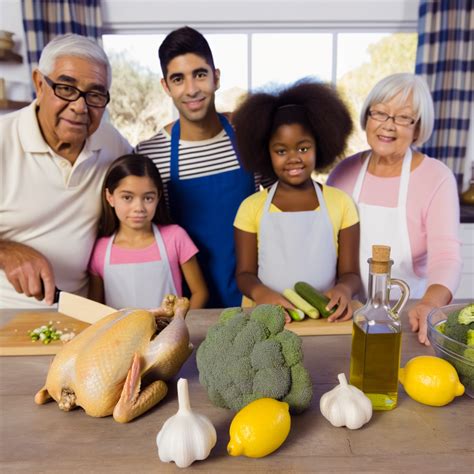
The journey doesn’t end at the garden gate. Bring the freshly harvested produce directly into the kitchen and involve them in preparing meals. Simple tasks like washing vegetables, tearing lettuce for a salad, or stirring ingredients can be incredibly engaging. Let them help create a special ‘garden salad’ or a ‘veggie pizza’ using their own produce.
Encourage creativity. Can they make a funny face with sliced cucumbers and carrots? Can they invent a new name for a dish featuring their harvested beans? When kids participate in cooking, they are far more likely to try and enjoy the food they helped create. The pride of serving something they grew and prepared is immense.

Learning & Storytelling
Use the garden as an opportunity for education and storytelling. Explain how plants grow, the role of sunlight and water, and how different vegetables help their bodies. Read books about gardening or healthy eating together. Tell stories about how your grandparents gardened, or create fantastical tales about garden fairies helping the plants grow.
Connecting food to its origins, rather than just seeing it appear on a plate, builds appreciation and understanding. When they understand the effort and natural processes involved, the food gains more value in their eyes. This also fosters an early understanding of sustainability and environmental stewardship.

Patience, Persistence, and Positive Reinforcement
Not every child will instantly embrace every vegetable, and that’s okay. Patience is key. Continue to offer a variety of foods and involve them without pressure. Sometimes it takes multiple exposures for a child to accept a new taste or texture. Celebrate small victories: a nibble of a green bean, a taste of a new herb.
Most importantly, lead by example. Let your children see you enjoying the fresh produce from the garden. Share your enthusiasm for a juicy tomato or a crisp pepper. Your positive attitude towards real food is perhaps the most powerful tool in getting them excited about eating it too. With a little dirt, dedication, and delicious discoveries, your country garden can become a vibrant hub of healthy eating and family fun.