How to get kids excited about homestead chores & cooking from scratch?

Homesteading and cooking from scratch offer invaluable life lessons, but getting kids excited about these tasks can sometimes feel like an uphill battle. With the right approach, however, you can transform chores into engaging adventures and cooking into a creative exploration, empowering your children with essential skills and a deeper appreciation for where their food comes from.
Transforming Chores into Engaging Adventures
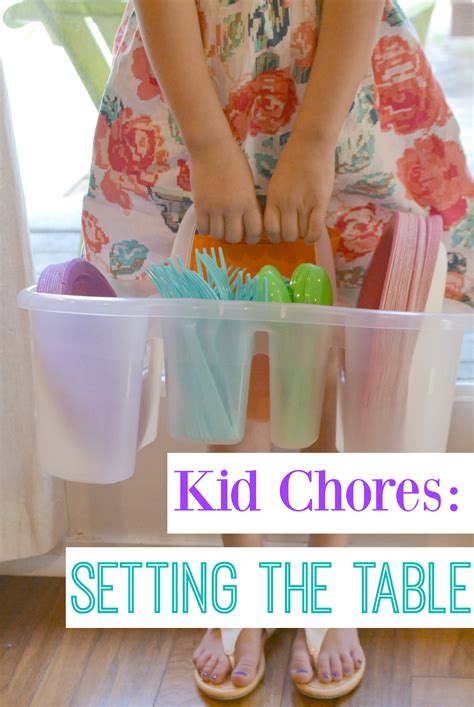
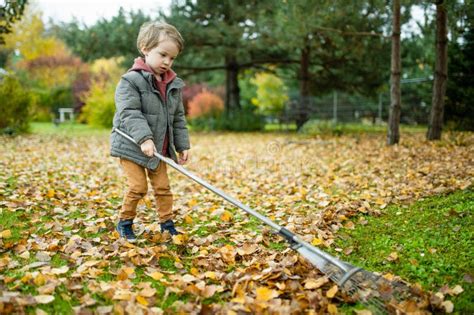
The key to involving children in homestead chores is to reframe them from mundane tasks into meaningful contributions. Start by making chores age-appropriate and providing clear, simple instructions. For younger children, tasks like watering plants, collecting eggs, or helping to sort harvested vegetables can be incredibly fulfilling. As they grow, they can progress to more complex responsibilities like weeding, tending to animal enclosures, or helping with garden bed preparation.
Gamify the Work
Introduce elements of play and gamification. Timers can turn a task into a race against the clock (friendly competition!), while “chore charts” with stickers or small rewards can motivate consistent effort. Explain the “why” behind each chore – how weeding helps the plants grow, or why animals need clean living spaces. This connects their efforts to tangible outcomes and teaches responsibility.
Turn teaching moments into learning opportunities. Counting eggs can reinforce math skills, identifying plants can teach botany, and understanding animal care can foster empathy. Emphasize teamwork and celebrate successes, no matter how small. Acknowledge their efforts and show genuine appreciation for their contributions to the family homestead.
Cultivating Culinary Confidence: Cooking From Scratch
Involving kids in cooking from scratch is a fantastic way to teach nutrition, basic chemistry, and practical life skills. The journey can begin right in the garden, harvesting ingredients they helped grow. This direct connection makes them more invested in the cooking process and often more willing to try new foods.
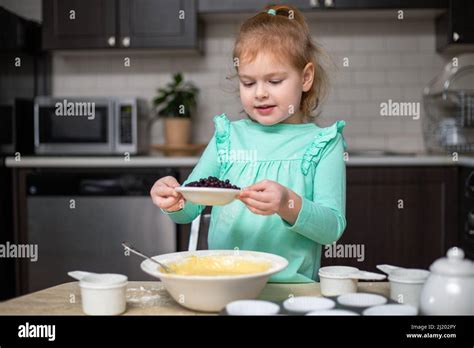
Age-Appropriate Kitchen Tasks
Start with simple tasks suited to their age and dexterity. Toddlers can wash vegetables, stir ingredients, or tear lettuce. Preschoolers can measure non-liquid ingredients, mash soft foods, or sprinkle herbs. Older children can learn to chop, peel, read recipes, and eventually take on entire dishes with supervision. Always prioritize safety, teaching knife skills and stove safety carefully and progressively.
Encourage sensory exploration. Let them smell different spices, feel the texture of various ingredients, and taste as they go. This makes cooking an immersive and enjoyable experience. Allowing them to choose a recipe once a week or take the lead on a specific dish can also boost their enthusiasm and sense of ownership.

Fostering Responsibility and Connection
Homesteading and scratch cooking are more than just tasks; they are powerful tools for building character. When children understand that their efforts directly contribute to the family’s well-being – whether it’s providing food, maintaining the home, or caring for animals – they develop a strong sense of responsibility and pride.
Establish routines and expectations. A rotating chore schedule ensures everyone shares the load and learns different skills. Regular family cooking nights can become cherished traditions, fostering communication and teamwork. These shared experiences create lasting memories and strengthen family bonds, transforming everyday work into quality time spent together.

Patience, Persistence, and Positive Reinforcement
It’s important to remember that not every day will be perfect. There will be spills, mistakes, and moments of reluctance. Approach these challenges with patience and understanding. Focus on the effort rather than just the outcome, and always offer positive reinforcement. Celebrate small victories and learn from setbacks together.
Be a role model. Kids learn by watching. If they see you approaching chores and cooking with enthusiasm and a positive attitude, they are more likely to emulate that behavior. Make it a family culture where everyone contributes, learns, and enjoys the fruits of their labor.

Conclusion
Engaging children in homestead chores and cooking from scratch is a journey that yields incredible rewards, far beyond just getting tasks done. It instills valuable life skills, promotes a healthy relationship with food, builds confidence, and strengthens family connections. By making it fun, educational, and a shared experience, you can cultivate a generation that values hard work, self-sufficiency, and the simple joys of a home-cooked meal.