How to get kids excited about homestead chores & real food prep?

Turning Tasks into Triumphs: Engaging Kids in Homesteading
In a world increasingly disconnected from the origins of food and the effort required to maintain a home, involving children in homestead chores and real food preparation offers invaluable lessons. It’s not just about getting tasks done; it’s about building life skills, fostering responsibility, and cultivating an appreciation for the natural world and healthy eating. The key is to make these activities less like burdens and more like adventures.

Making Chores a Collaborative Adventure
Homestead chores, from feeding animals to tending gardens, can seem daunting to little ones. The trick is to reframe them. Instead of a ‘to-do’ list, present them as vital contributions to the family’s well-being and a chance to learn something new.
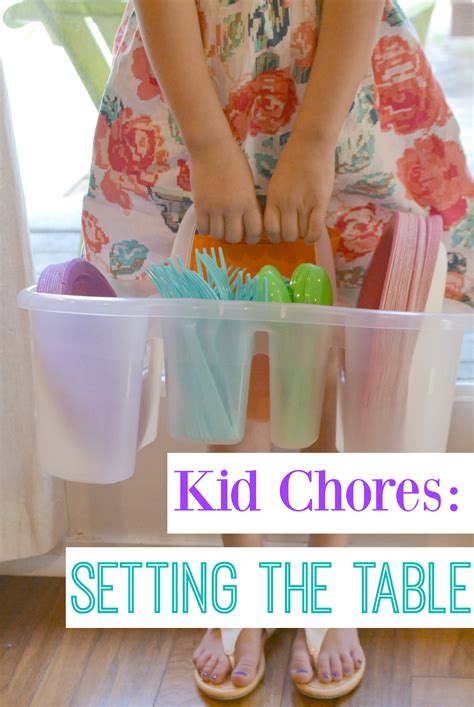
- Age-Appropriate Tasks: Start small and simple. A toddler can help put away clean rags or water a single plant. Older children can collect eggs, weed a garden bed, or help with composting. Gradually increase complexity as their skills and confidence grow.
- Gamify the Grind: Turn chores into games. Set a timer to see if you can beat your ‘personal best’ at tidying, or create a ‘chore bingo’ board with small rewards for completion. Making it a race or a challenge can spark enthusiasm.
- Offer Choices and Responsibility: Empower kids by giving them choices. “Would you like to help me water the garden or collect the eggs today?” This sense of agency makes them feel valued and invested. Assigning them a specific, consistent responsibility (e.g., ‘the chicken helper’) can build pride.

Exciting Real Food Prep: From Garden to Table
Real food preparation is a tangible way to connect children to where their food comes from and why healthy eating matters. When kids help grow, harvest, and prepare food, they are much more likely to try and enjoy it.
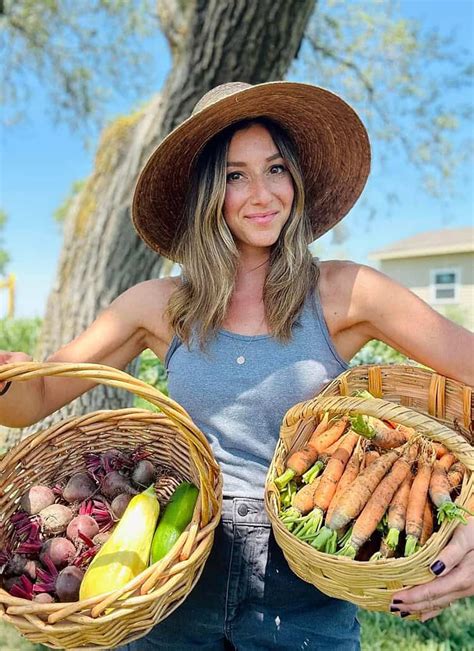
- Garden-to-Kitchen Connection: If you have a garden, involve them in every step – planting seeds, watering, harvesting. The excitement of eating something they’ve grown themselves is a powerful motivator. Even if you don’t have a garden, a trip to a local farm or farmer’s market can provide a similar connection.
- Kid-Friendly Recipes & Tools: Choose recipes that allow for active participation, like making homemade pizza, bread, or simple salads. Provide them with their own child-safe tools, such as dull knives, small cutting boards, and child-sized aprons.
- Taste Tests and Creativity: Encourage them to taste ingredients along the way. Let them experiment with safe combinations (under supervision) or decorate dishes. This fosters creativity and expands their palate.

Foster a Learning Environment, Not Just a Workplace
Beyond the immediate task, homestead chores and food prep are rich with learning opportunities. Talk about plant cycles, animal care, nutrition, math (measuring ingredients), and even basic chemistry (what happens when you bake).
- Patience and Positive Reinforcement: Things might get messy, and tasks might take longer. Embrace it! Focus on effort and participation rather than perfection. Acknowledge their contributions with specific praise: “Thank you for helping stir the soup, it’s making it so creamy!”
- Lead by Example: Children are keen observers. When they see adults enthusiastically engaging in chores and enjoying healthy food preparation, they are more likely to adopt a similar attitude.

The Bigger Picture: Benefits Beyond the Task
Involving kids in these essential home activities does more than just lighten the load for parents. It instills a strong work ethic, teaches valuable life skills like problem-solving and perseverance, promotes healthy eating habits, and strengthens family bonds through shared experiences. It teaches them where food comes from, the value of hard work, and the satisfaction of contributing to the family unit.
By approaching homestead chores and real food prep with creativity, patience, and a sense of shared adventure, you can transform everyday tasks into exciting, educational opportunities that your children will not only embrace but cherish for a lifetime.