How to get kids excited about homestead-grown real food family meals?

In an age dominated by processed snacks and fast food, getting children excited about wholesome, homestead-grown meals can feel like an uphill battle. Yet, connecting kids to the source of their food not only fosters healthier eating habits but also instills valuable life skills, a deeper appreciation for nature, and stronger family bonds. The journey from your garden to the dinner table doesn’t have to be a chore; it can be an adventure!
From Seed to Plate: Involve Them Early
One of the most effective ways to generate enthusiasm for real food is to involve children in the entire process, right from the beginning. Give them a patch of garden, no matter how small, to call their own. Let them choose what to plant, sow the seeds, water the plants, and watch them grow. The magic of seeing a tiny seed transform into a vibrant vegetable or fruit is often enough to pique their curiosity.
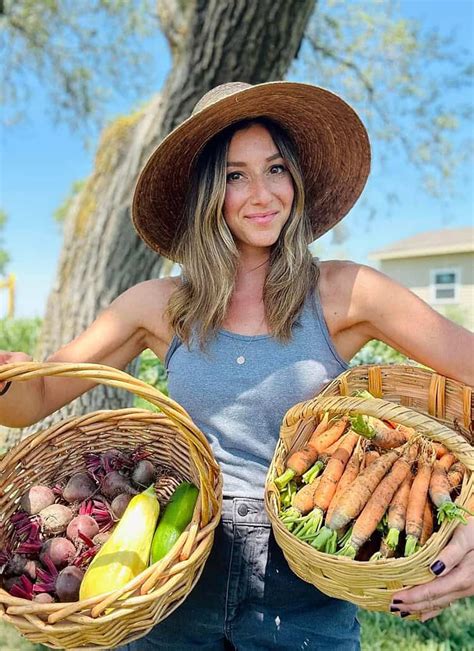
When harvest time comes, let them be the primary harvesters. The pride of picking a ripe tomato, digging up carrots, or collecting eggs from your chickens makes them much more likely to want to try the fruits (and veggies) of their labor. This direct connection transforms food from an abstract item into a tangible accomplishment.

Kitchen Adventures: More Than Just Cooking
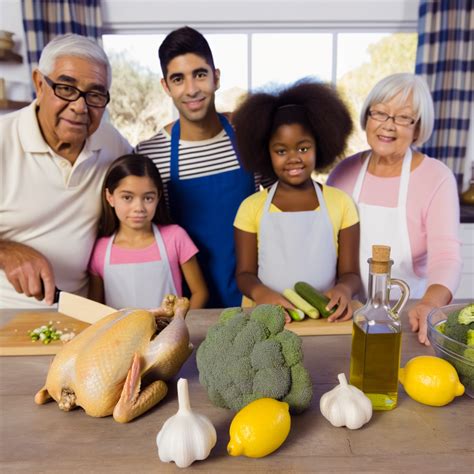
Once the ingredients are in hand, bring them into the kitchen. Assign age-appropriate tasks: washing vegetables, tearing lettuce, stirring ingredients, or even measuring. For older children, let them choose a recipe that features your homestead produce and guide them through making it. Empowering them with responsibility in the kitchen makes them feel like a valuable contributor, not just a consumer.
Turn cooking into an educational experience. Talk about where each ingredient comes from, how it nourishes their bodies, and the science behind cooking. Let them experiment safely with flavors and textures. Even simple tasks like helping to make homemade bread or preserving jam can become cherished memories and encourage them to try the final product.

Make it Fun and Educational
Food doesn’t have to be serious. Incorporate fun elements into meal preparation and consumption. Create ‘garden-to-table’ themed nights, invent silly names for dishes (like ‘Superhero Spinach’ or ‘Power-Up Potatoes’), or have them help create a story about their food’s journey. Nutritional information can be presented through games or engaging facts rather than dry lectures.
Consider taste tests where they blindfold themselves and guess different vegetables or fruits, describing their flavors and textures. This playful approach reduces pressure and encourages an adventurous palate. You can also involve them in the presentation, letting them arrange their plate or decorate a salad, making the meal visually appealing.
Presentation Matters: A Feast for the Eyes
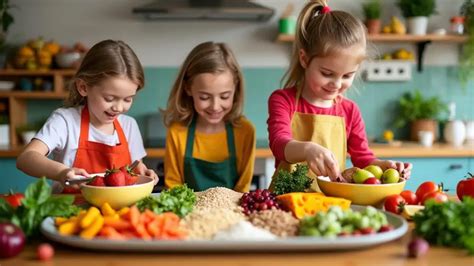
It’s a well-known fact that we eat with our eyes first, and this is especially true for children. Make meals visually appealing by using a variety of colors from different vegetables, arranging food in fun shapes, or using cookie cutters to create interesting forms for sandwiches or cooked vegetables. A plain plate of steamed broccoli might be unappealing, but ‘mini trees’ next to ‘river mashed potatoes’ could be a hit.
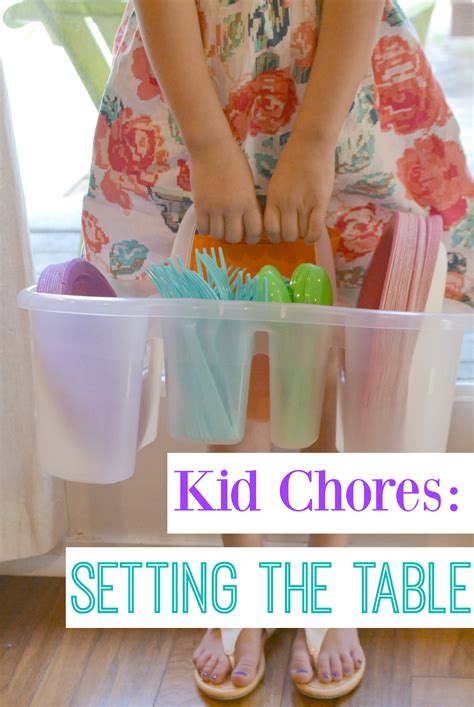
Involve them in setting the table, perhaps even letting them pick a theme or choose the tablecloth. Creating a pleasant and inviting atmosphere for family meals makes the entire experience more enjoyable and encourages them to linger and savor their homestead-grown food.

Patience, Persistence, and Positive Reinforcement
Remember that developing a love for new foods and healthy eating habits is a process, not an overnight transformation. There will be days when they refuse to try something new, or when their favorite vegetable suddenly becomes ‘yucky.’ Stay patient and persistent without resorting to force or bribery. Keep offering a variety of foods, even if they’ve rejected them before.
Lead by example – let them see you enjoying the homestead-grown food. Celebrate small victories, like trying a new vegetable or finishing a portion without complaint. Focus on positive reinforcement, praising their effort and participation. Over time, these consistent positive experiences will cultivate a genuine excitement for and appreciation of homestead-grown real food family meals.

Transforming mealtime into an exciting family event centered around real, homegrown food is a rewarding journey. By involving children in every step, from the garden to the kitchen, making it fun, and maintaining a positive attitude, you can foster a lifelong love for nutritious eating and create invaluable family memories along the way.