How to get kids excited about real food from our garden for homemade family meals?
Getting children to eat their vegetables can often feel like an uphill battle, but what if those vegetables came directly from their own efforts in the backyard garden? Connecting kids with the source of their food not only promotes healthier eating habits but also instills valuable life skills, patience, and a deeper appreciation for nature. Turning garden bounty into delicious homemade family meals is an enriching experience that can bond families and create lasting memories.
Start with the Soil: Get Them Involved Early
The journey to exciting kids about real food begins even before the first seed is sown. Involve them in every step: choosing what to plant, preparing the soil, and planting seeds or seedlings. Let them pick vibrant vegetables and fruits they are curious about. Giving them their own small plot or even a designated pot empowers them and fosters a sense of ownership. When they see the tiny sprout emerge from the earth, their wonder and investment grow.
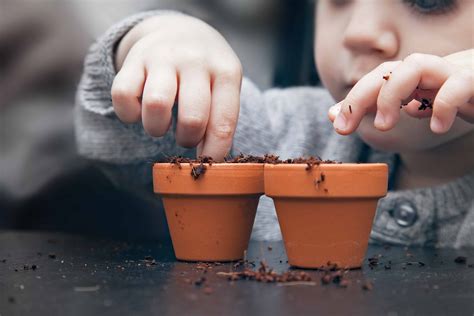
Encourage them to water, weed, and observe the growth daily. This active participation transforms gardening from a chore into a fascinating science project where they get to witness the miracle of life firsthand. Talk about what each plant needs to thrive and how it will eventually provide food for the family.
From Garden to Plate: Make it an Adventure
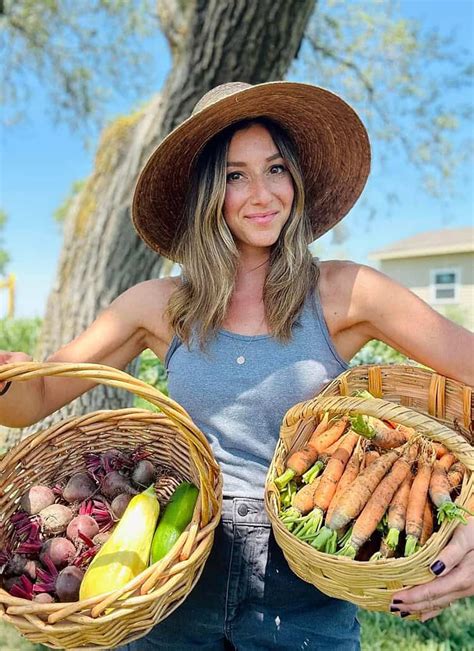
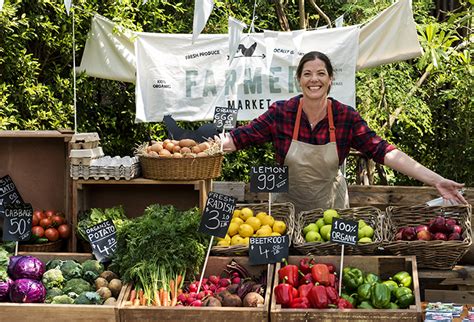
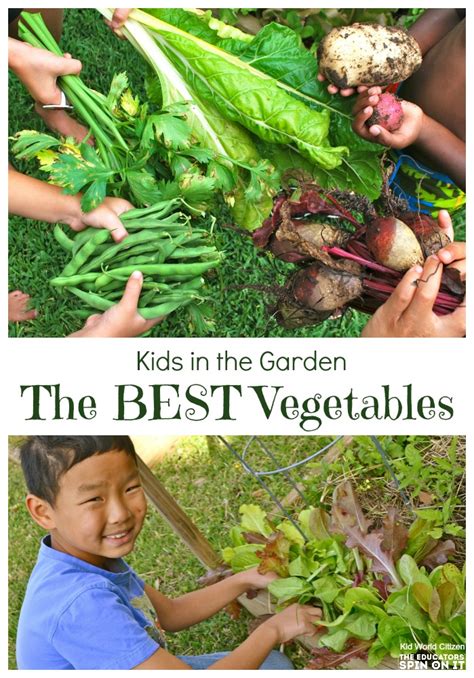
Harvesting time is where the real excitement builds! Turn it into a treasure hunt, challenging them to find the ripest tomatoes or the biggest zucchini. Let them wash the freshly picked produce themselves, feeling the textures and smelling the earthy aromas. This hands-on interaction makes the food real and tangible, far removed from the sterile supermarket aisle.
Kitchen Fun: Cooking Up Creativity
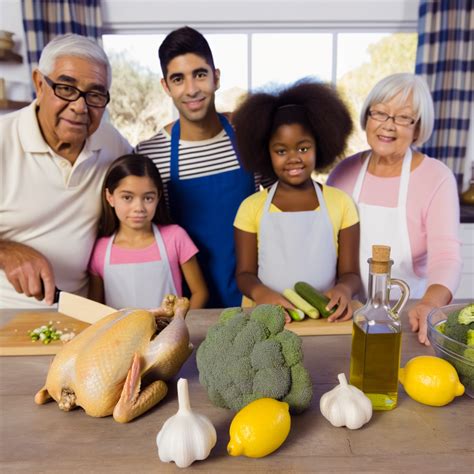
Once the produce is harvested, invite your children into the kitchen to help prepare meals. Start with simple tasks appropriate for their age, like washing vegetables, tearing lettuce for a salad, or stirring ingredients. Let them pick a recipe that features their garden bounty. Children are far more likely to eat something they helped create. Empower them by allowing them to choose how a certain vegetable will be cooked – roasted, steamed, or in a stir-fry.

Try making a “garden pizza” where they arrange the toppings, or homemade pasta sauce with their own tomatoes. Cooking together turns meal preparation into a fun, collaborative activity, teaching them basic culinary skills and fostering a positive relationship with food.
Learning & Tasting: The Nutritional Story
While gardening and cooking, talk about the nutritional benefits of the foods you’re growing. Explain how carrots help their eyes, or spinach makes them strong. This helps them connect the dots between what they eat and how their bodies feel. Encourage them to taste new vegetables raw, cooked simply, and incorporated into dishes. Keep it light and fun; avoiding pressure can make them more open to trying new flavors.

Consider keeping a garden journal where they can draw their plants and record their observations. This reinforces their learning and provides a tangible record of their gardening journey.
Celebrate the Harvest: Special Family Meals
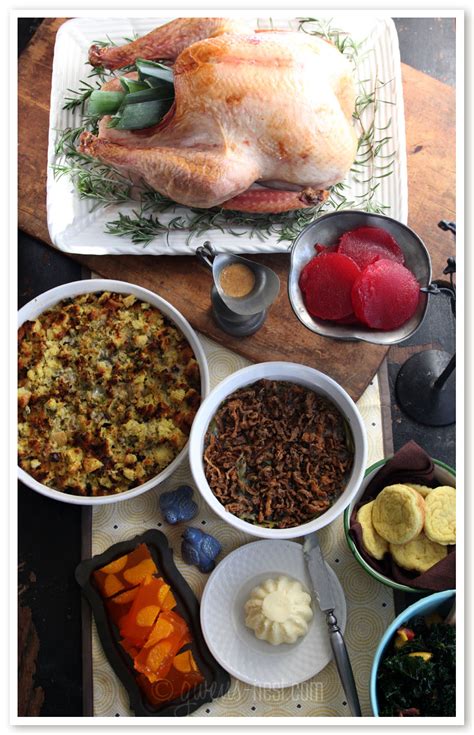
Make meals featuring your garden’s harvest special events. Perhaps a “Taco Tuesday” with garden-fresh salsa, or a “Pizza Night” with homegrown herbs and peppers. Highlight their contributions, praising their efforts in the garden and the kitchen. This recognition boosts their confidence and pride, making them more invested in the entire process. Sharing the food they helped grow with family and friends reinforces the joy of their accomplishment.

Over time, these experiences transform real food from the garden into something exciting, delicious, and deeply personal. It’s not just about eating vegetables; it’s about nurturing life, creating memories, and building a foundation for healthy habits that will last a lifetime.