


How to get kids to help with garden chores & enjoy real food prep?

Cultivating Green Thumbs and Healthy Appetites
In an age dominated by screens, encouraging children to connect with the natural world and understand where their food comes from is more important than ever. Involving kids in garden chores and food preparation not only teaches valuable life skills but also fosters a deeper appreciation for healthy eating and the effort involved in putting food on the table.
Getting Kids Involved in the Garden
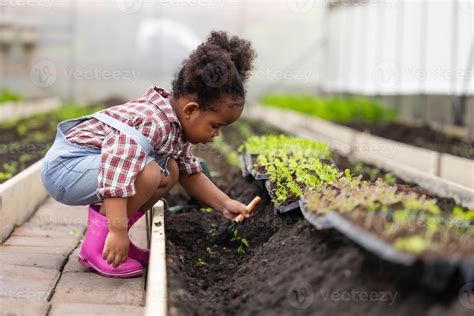
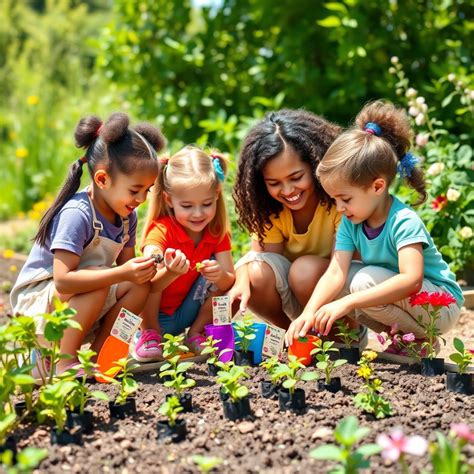
The garden offers a fantastic outdoor classroom. Start by giving children their own small patch or a designated container where they can take full ownership. Let them choose what they want to plant – often, fast-growing seeds like radishes, sunflowers, or beans provide quick gratification and maintain their interest. Provide child-sized gardening tools to make the experience more accessible and enjoyable.
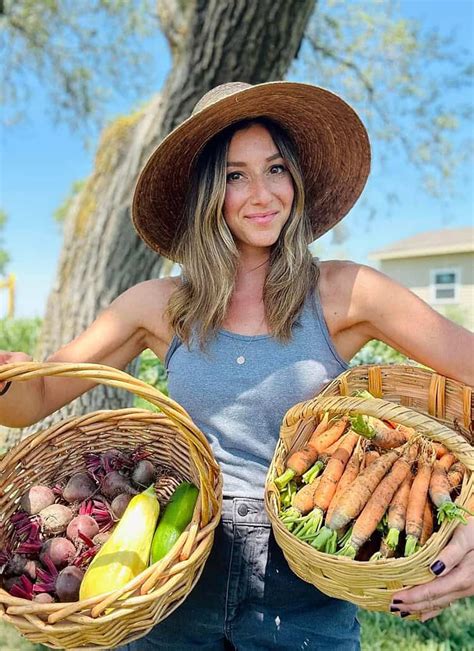
Assign age-appropriate tasks. Toddlers can help water plants with a small watering can or gently pull large weeds. Older children can be responsible for planting seeds, transplanting seedlings, identifying weeds, or harvesting ripe produce. Turn tasks into games, like a “treasure hunt” for juicy red tomatoes or crunchy carrots ready for picking.
Focus on the process and discovery, not just the perfect outcome. Muddy hands and curious questions are signs of engagement. Talk about the soil, the insects, and the life cycle of plants. This hands-on learning builds a fundamental understanding of ecosystems and sustainability.
Making Food Prep Fun and Educational
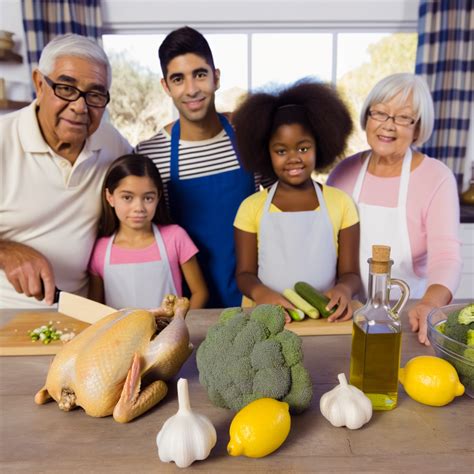
Once the harvest comes in, the kitchen becomes the next exciting learning ground. Involving kids in preparing meals from scratch reinforces the connection between the garden and their plate. Start with simple tasks that build confidence and fine motor skills.
Younger children can wash fruits and vegetables, tear lettuce for salads, snap green beans, or stir ingredients in a bowl. As they grow, introduce more complex tasks like measuring ingredients, mashing potatoes, or even carefully chopping soft fruits with a kid-safe knife under supervision. Decorating pizzas or cupcakes can be a fun way to engage their creativity.

Emphasize kitchen safety from the start – proper handwashing, being careful with hot surfaces, and understanding knife safety. Make it a shared experience, talking about textures, smells, and the science behind cooking. This not only teaches practical skills but also encourages adventurous eating and reduces pickiness.
Tips for Success
- Be Patient: Kids might be slow or messy. Focus on the effort and the learning, not perfection.
- Lead by Example: Show enthusiasm for gardening and cooking yourself.
- Empower Choice: Let them pick what to plant or a dish to help prepare.
- Celebrate Efforts: Praise their contributions, no matter how small. “Great job watering the plants!” or “This salad tastes extra good because you helped make it!”
- Keep it Age-Appropriate: Tasks should match their developmental stage to prevent frustration.
- Make it a Routine: Regular involvement turns chores into habits and enjoyable family time.

Conclusion: Growing More Than Just Produce
Engaging children in garden chores and real food preparation is an investment in their future. It cultivates patience, responsibility, healthy eating habits, and a respect for nature. These shared experiences create lasting memories and equip them with essential life skills that extend far beyond the garden gate and kitchen counter, ultimately helping them grow into well-rounded, capable individuals.